Black Moss
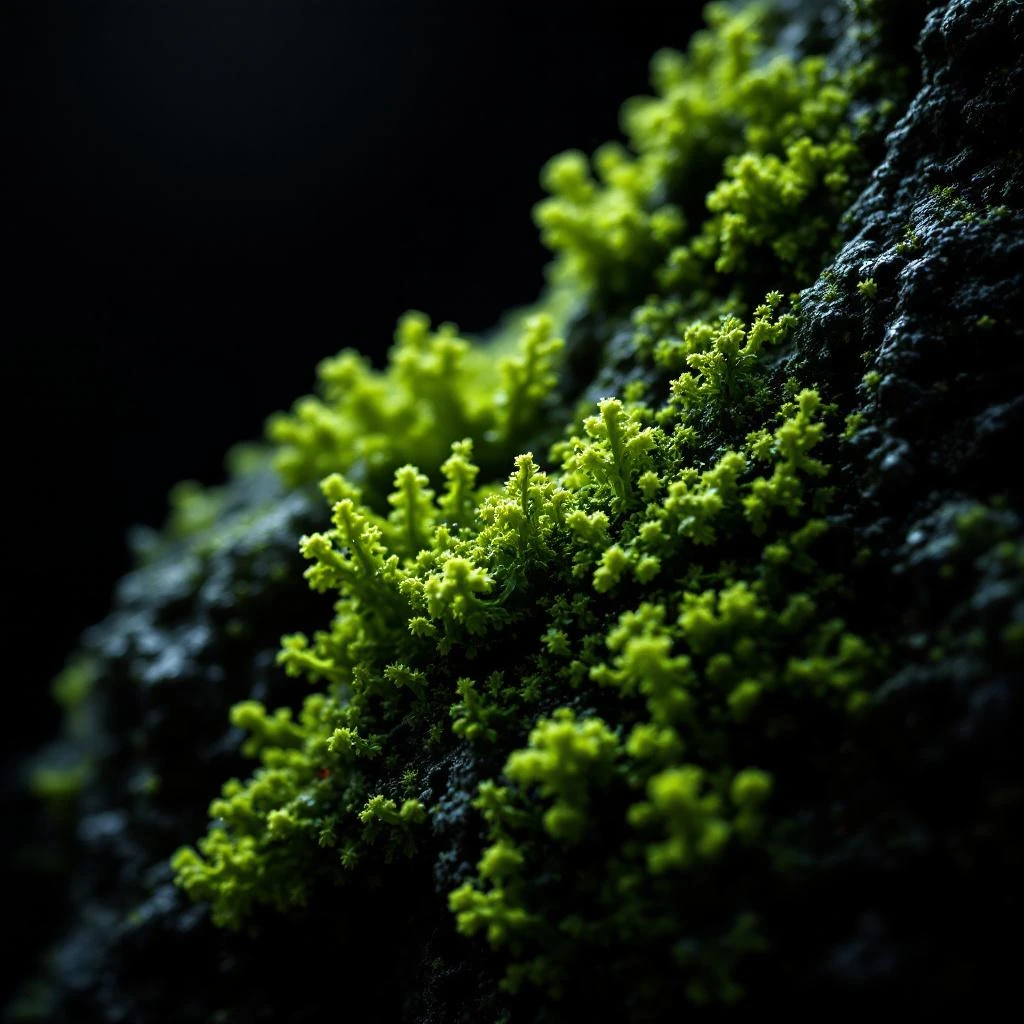
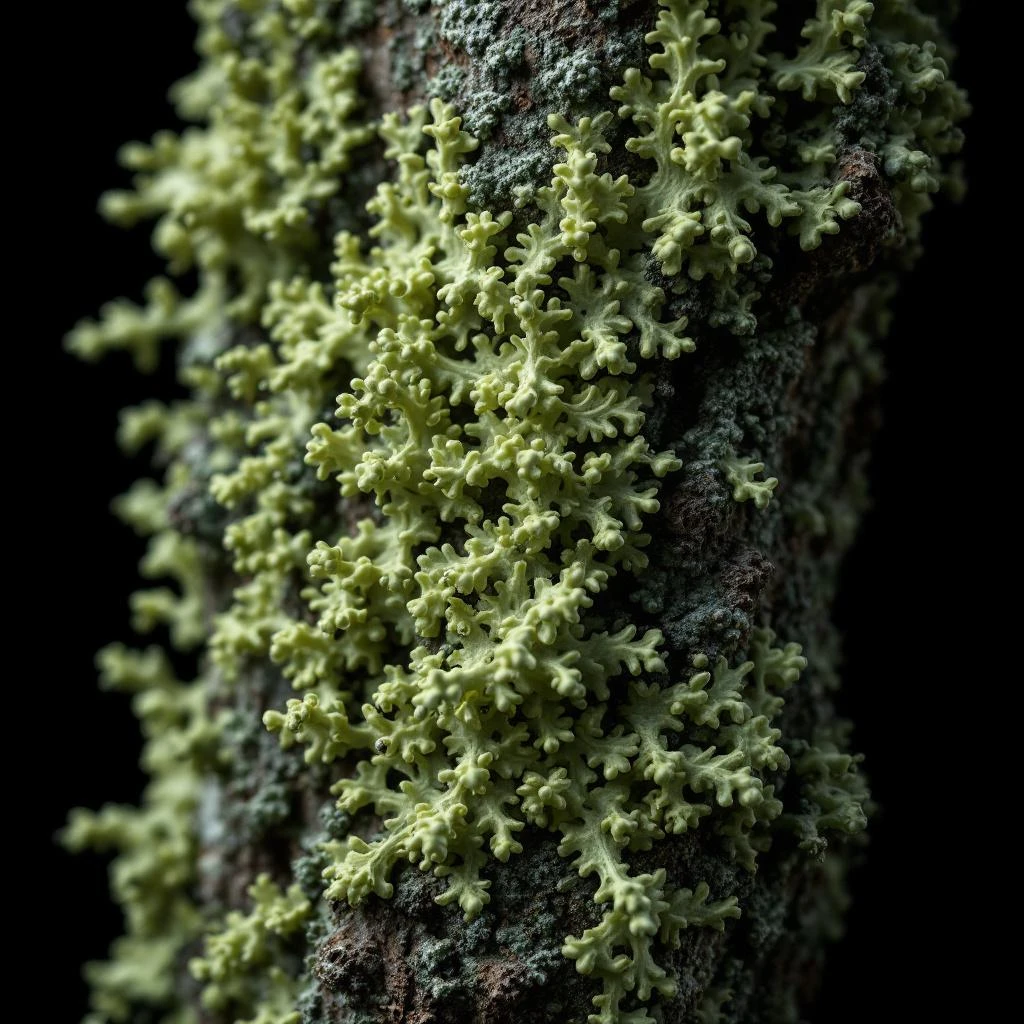
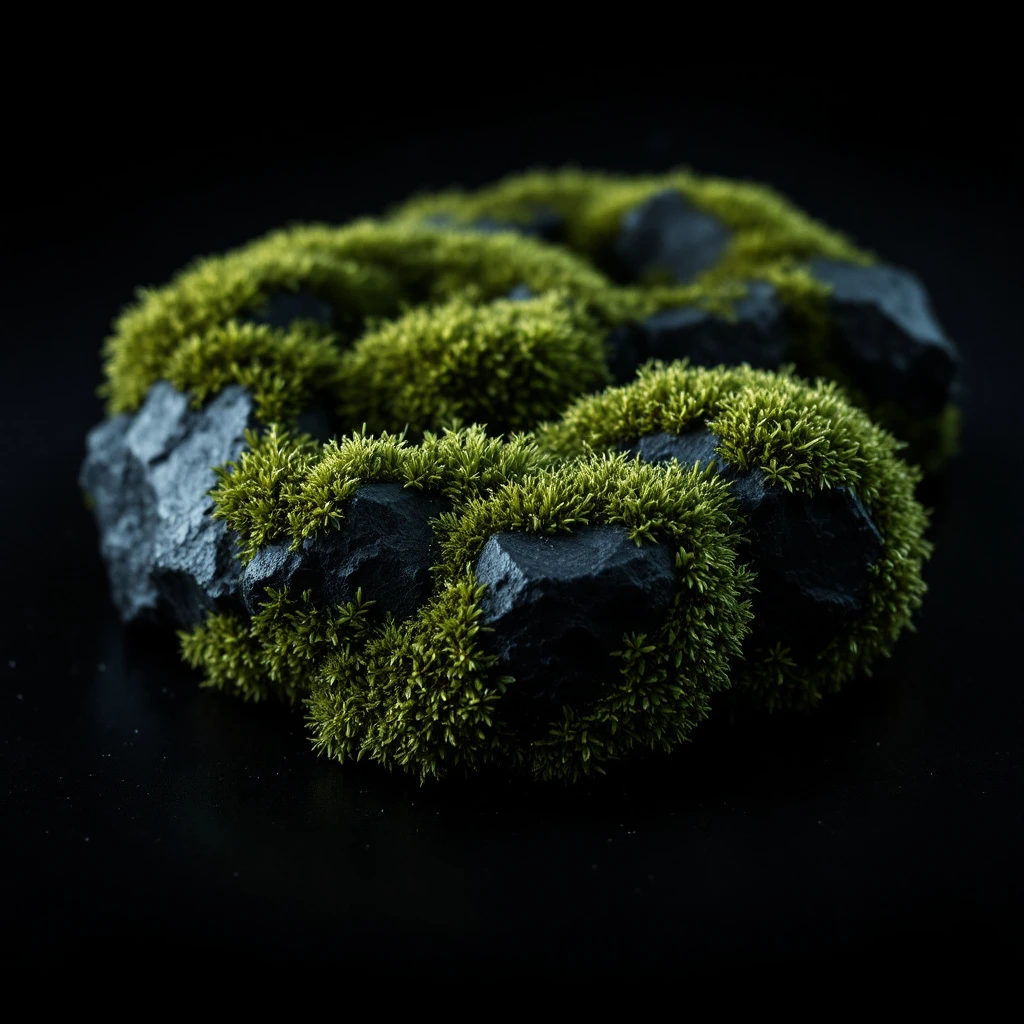
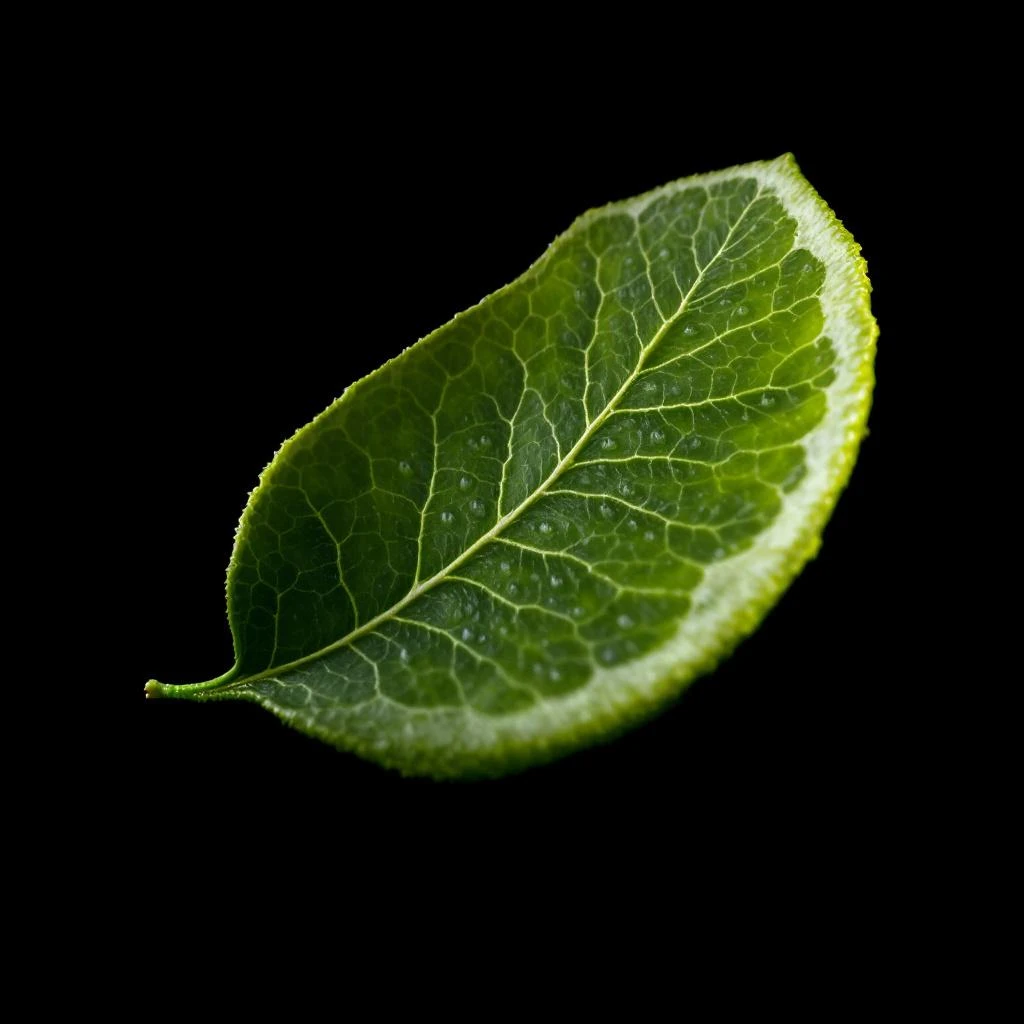
Black moss is a shade and inflection of perfumery's oldest lichen base. It captures the dark, damp, mushroom-rich side of forest floor, conjuring petrichor and shadow rather than sunlight and bark. Where oakmoss smells green, black moss reads nocturnal and velvety.
Character
How it smells
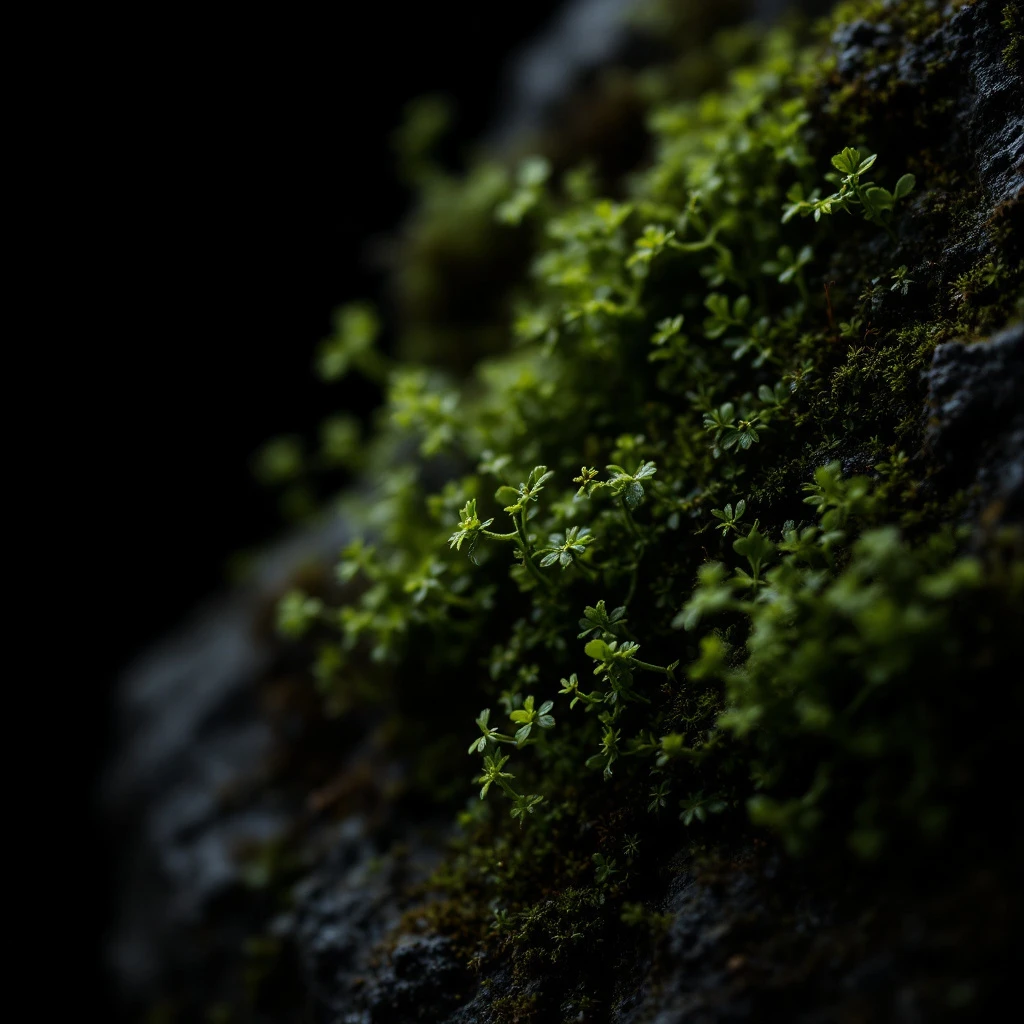
Damp shadow on old stone.
Chypre means 'Cyprus' in French, named for the island where Renaissance perfumers first blended oakmoss into fragrances during the 16th century.





Origin
North Macedonia
Black moss and oakmoss have perfumed Europe since the sixteenth century, when Cypriot pharmacists layered lichen extracts over florals and resins to simulate the island's aromatic forests. François Coty's 1917 Chypre cemented moss as a structural pillar of perfumery, dividing compositions into bergamot top, floral heart, and a mossy, oak-rooted base.
Before regulation, natural moss absolutes delivered a raw, almost animalic depth that defined classical masculine and unisex fragrances. The lineage stretches back further: medieval apothecaries used lichen extracts to scent pomanders and incense, while ancient Greeks burned aromatic mosses as offerings.
When IFRA restricted use levels in the early 2000s after atranol was identified as a sensitizer, perfumers reformulated with synthetic substitutes that preserve the dark forest-floor character without the allergenic potential. Black moss today references that original Cypriot concept, a shadow version of oakmoss pointing toward damp earth rather than sun-warmed bark.
Wears it best
Fragrances featuring Black Moss
Brands
Brands known for Black Moss
Good to know
Questions, answered
The essentials on Black Moss in perfumery: how it smells, where it comes from, and how it behaves on skin.
What does black moss smell like in perfume?
Black moss reads dark, damp, and earthy, closer to wet stone and forest litter than the brighter, drier profile of standard oakmoss. It carries phenolic and mushroom-like undertones that lend a velvety shadow to chypre and fougère compositions.
Is black moss different from oakmoss?
Yes. Black moss is typically a darker, deeper blend built around oakmoss absolutes plus synthetic or natural additions such as patchouli, treemoss, or phenolic compounds. Oakmoss alone smells greener and more hay-like.
Why is oakmoss restricted in perfume?
IFRA limits oakmoss because two of its constituents, atranol and chloroatranol, are known skin sensitizers. Modern perfumers use purified or reconstructed versions with reduced allergen levels.
When was black moss popular in perfumery?
Black moss accords trace back to Coty's 1917 Chypre, which codified moss as a base. The style dominated masculine and unisex perfumery through the 1970s before IFRA regulations reshaped formulations.
Where does perfumery oakmoss come from?
Macedonia has historically supplied up to 70 percent of the world's oakmoss for perfumery, harvested from oak and conifer forests across the Balkans under semi-regulated forestry programs.
Is black moss natural or synthetic?
Black moss sits in between. It often starts from natural oakmoss or treemoss extract, then is blended with synthetic aroma chemicals like Evernyl to rebuild depth and comply with allergen limits.
Which fragrances feature black moss?
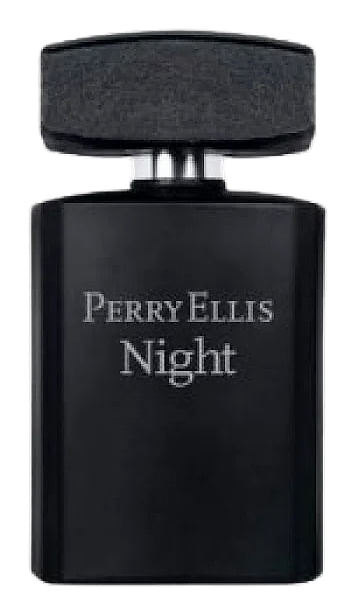
Chypre and fougère classics rely on mossy bases, including reformulated versions of Mitsouko, Pour Homme, and various niche takes on the dark forest-floor theme.
Does black moss pair well with other notes?
Yes. Black moss anchors florals like rose and jasmine, deepens patchouli, and brightens against citrus and coumarin. It serves as the dark gravitational center of chypre structures.