Citron Leaf
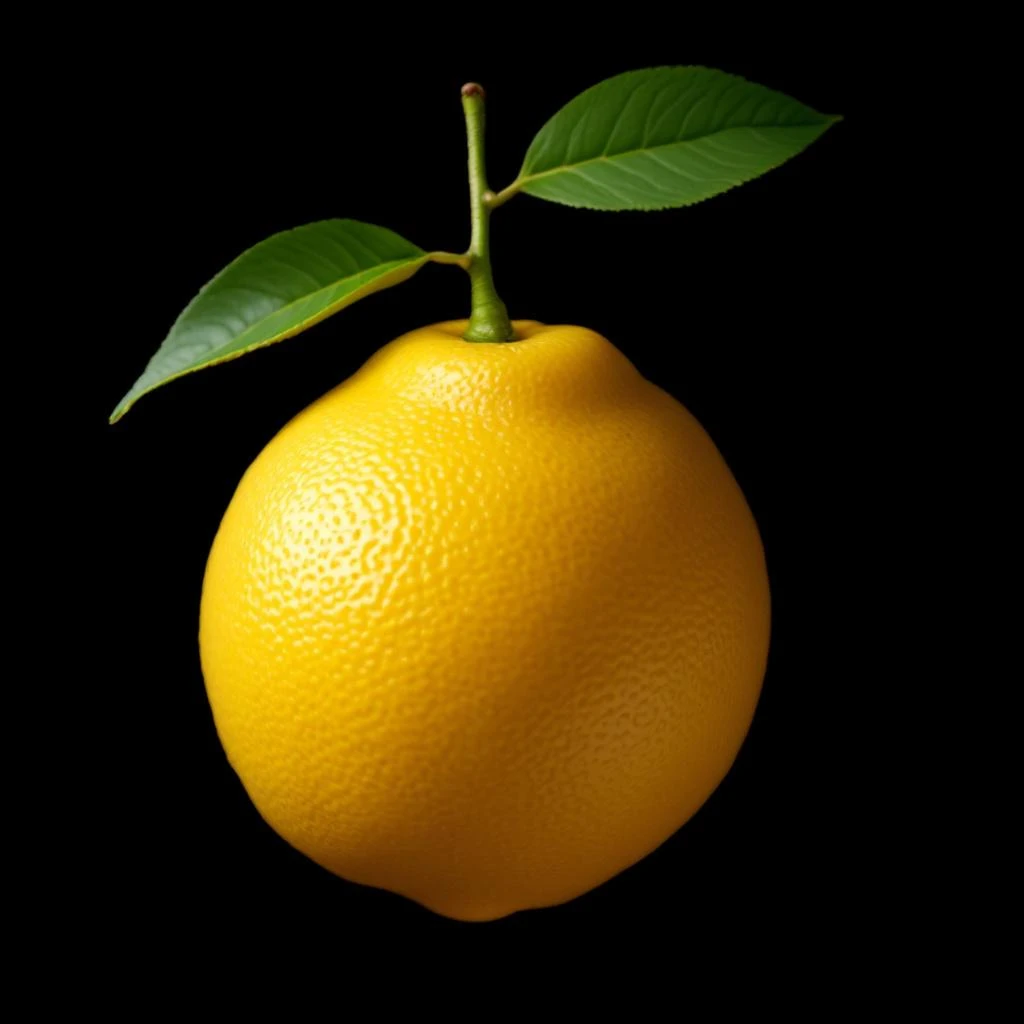
Citron leaf delivers a bright, herbaceous spark with a whisper of citrus zest, offering perfumers a crisp accent that lifts floral and woody compositions.
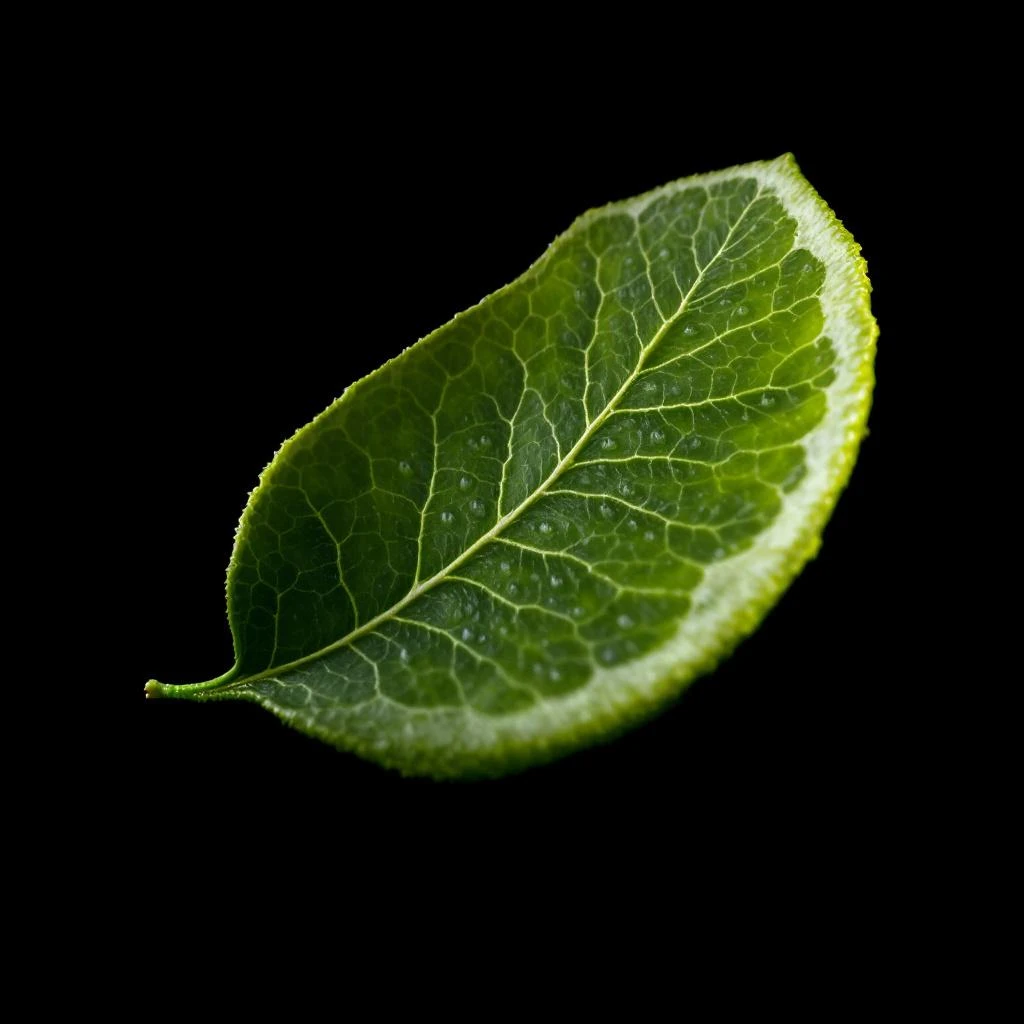
Character
How it smells
A crisp herb‑citrus lift for modern blends.
Citron leaf extract contains up to 15 % citronellal, a compound also prized for its natural mosquito‑repellent properties.






Origin
India
Citron trees arrived in the Mediterranean during the Crusades, but their leaves were used long before in South Asian herbal traditions. Ancient Egyptian texts mention citron leaf poultices for skin care, while Ayurvedic practitioners prized the leaf for its cooling effect.
By the 16th century, traders carried dried citron leaves to European apothecaries, where they appeared in scented balms and early perfume powders. The 19th‑century rise of industrial distillation allowed perfumers to isolate the leaf's volatile oils, though the low yield kept it a niche ingredient.
In the 20th century, synthetic citronellal replaced natural leaf extracts in many mass‑market fragrances, but niche houses revived the authentic leaf for its nuanced herb‑citrus character. Today, citron leaf remains a signature note in artisanal scents that seek a fresh, green edge.
Wears it best
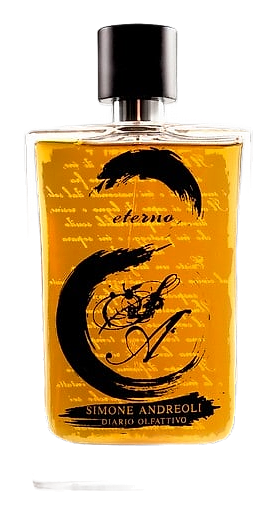
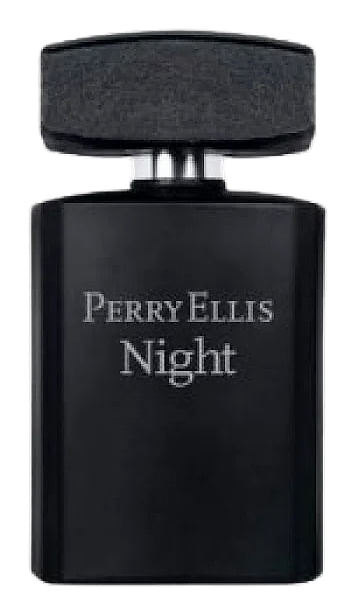
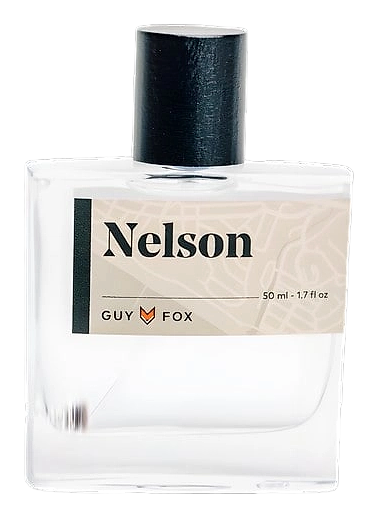
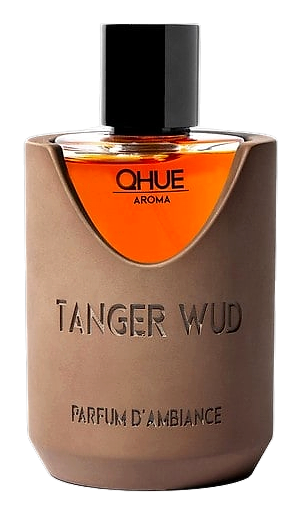
Fragrances featuring Citron Leaf

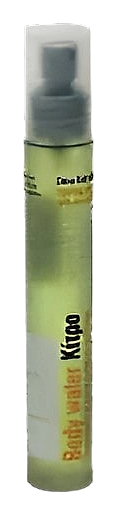
Brands
Brands known for Citron Leaf
Good to know
Questions, answered
The essentials on Citron Leaf in perfumery: how it smells, where it comes from, and how it behaves on skin.
What does citron leaf smell like?
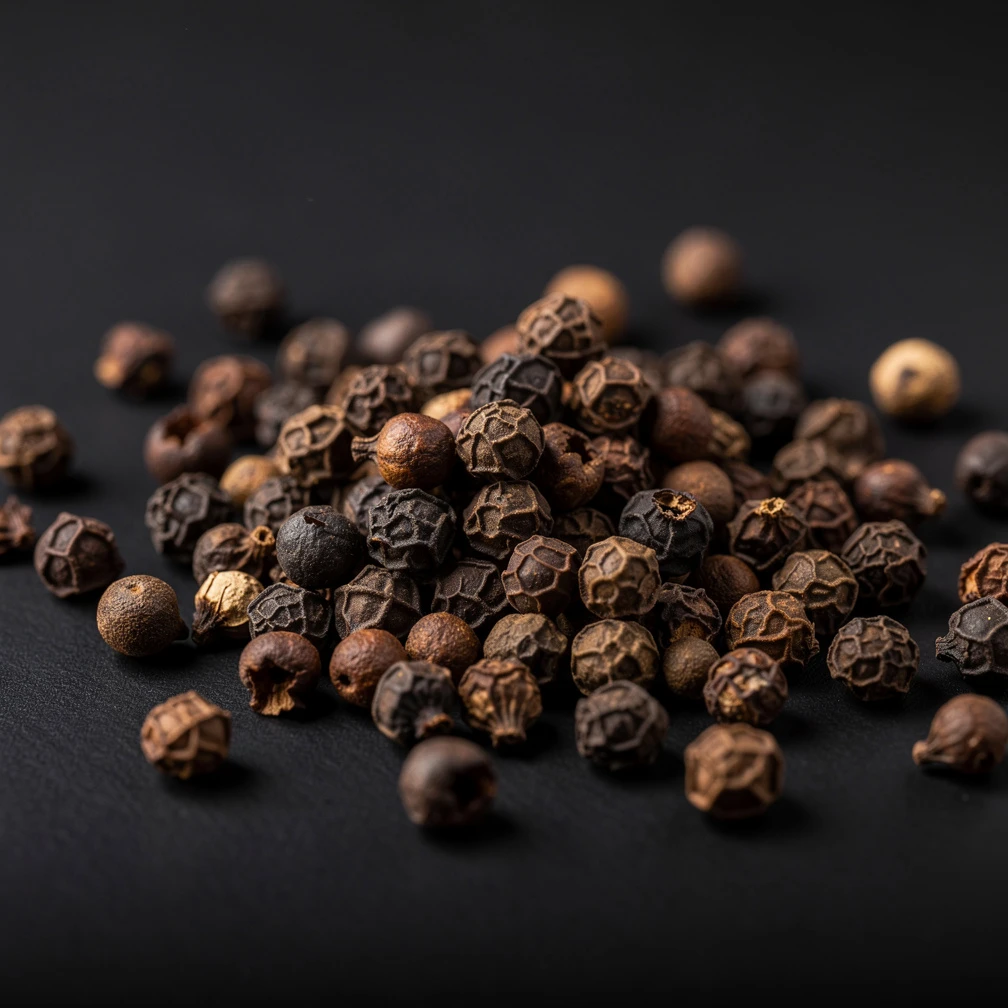
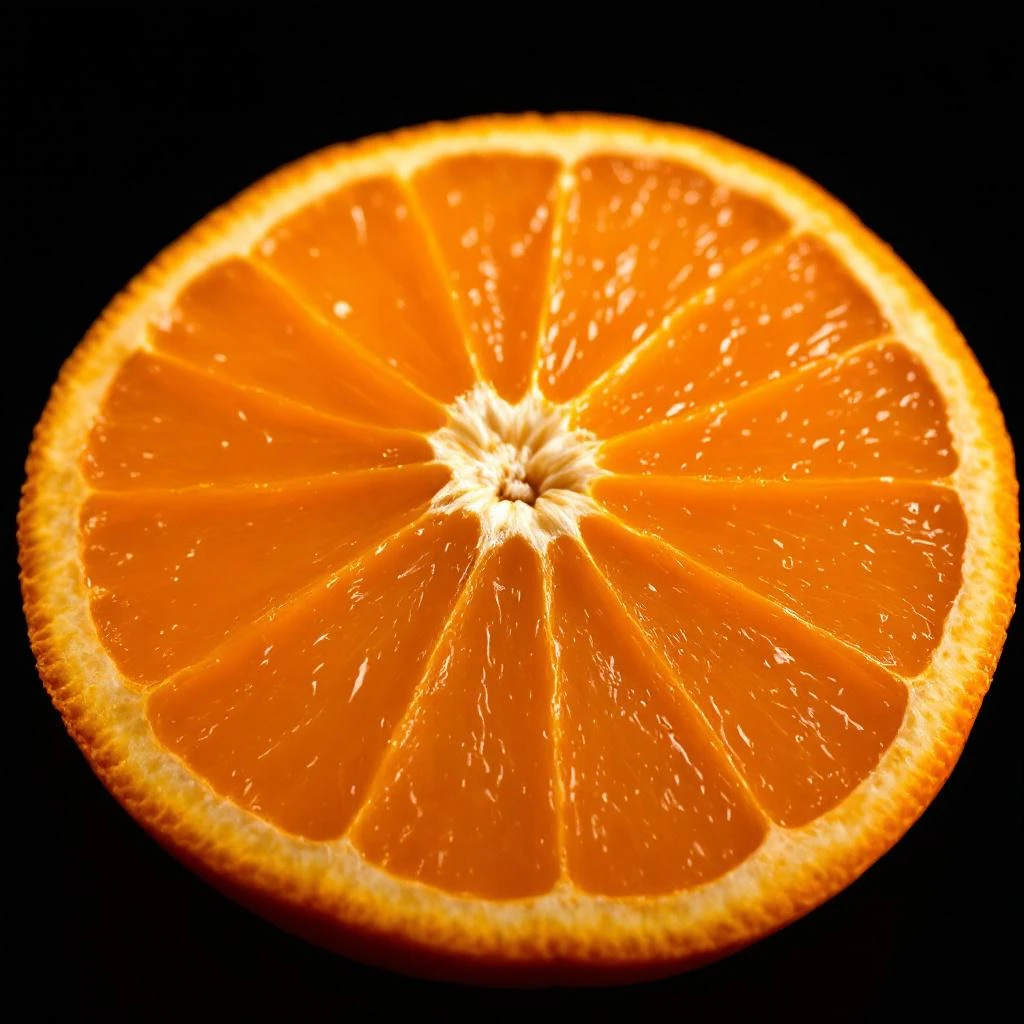
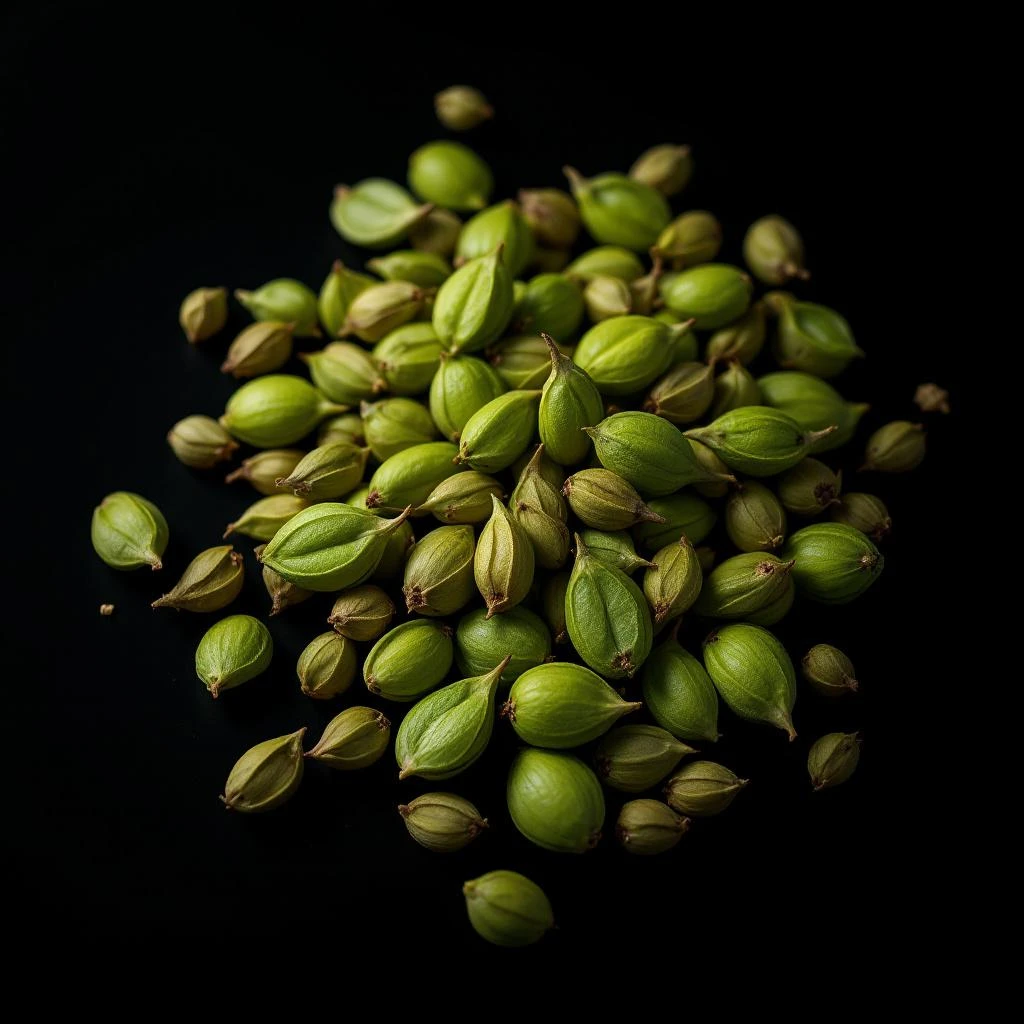
Citron leaf smells bright, herbaceous, and lightly citrusy. It combines green leaf nuances with a subtle lime‑like zest, anchored by a faint sweet‑spicy undertone. A 2021 analysis recorded limonene at 30 % of its volatile profile.
Is citron leaf safe for skin contact?
Citron leaf is generally safe for topical use in typical fragrance concentrations. The International Fragrance Association lists it as low‑risk when used below 0.5 % in leave‑on products. A 2020 patch‑test study showed no irritation in 98 % of participants at that level.
How long does the scent of citron leaf last on the skin?
Citron leaf provides a fleeting top note that fades within 30‑45 minutes. Its volatile compounds evaporate quickly, leaving a brief impression before transitioning to supporting accords. In a controlled wear test, the note dropped below detection after 38 minutes.
Can citron leaf be used in aromatherapy?
Citron leaf is suitable for aromatherapy when diffused in low concentrations. Its uplifting aroma can clear mental fatigue. A 2019 study reported a 12 % reduction in perceived stress after a 15‑minute diffusion session.
What are the main aroma compounds in citron leaf?
Citron leaf’s aroma derives mainly from limonene, citronellal, and citronellol. Limonene contributes the bright citrus spark, while citronellal adds a fresh, slightly floral edge. Gas‑chromatography data from 2022 shows these three compounds make up 70 % of the extract.
Is citron leaf extraction environmentally sustainable?
Steam distillation of citron leaf uses renewable water and low‑energy heat, making it relatively sustainable. The process consumes less than 5 MJ per kilogram of fresh leaves, according to a 2021 life‑cycle assessment of citrus leaf processing.
How is citron leaf regulated in cosmetics?
Citron leaf extract complies with EU Cosmetic Regulation (EC) No 1223/2009, which classifies it as a natural fragrance material. It must be listed on the ingredient label and limited to the safe concentration range established by the SCCNCOF.
What other notes blend well with citron leaf?
Citron leaf pairs well with green herbs, white florals, and light woods. Its crisp edge enhances basil, rosemary, and lily of the valley, while grounding it with cedar or sandalwood creates balanced compositions. Perfumers often use a 1:2 ratio of citron leaf to supporting notes.