Black Mandarin
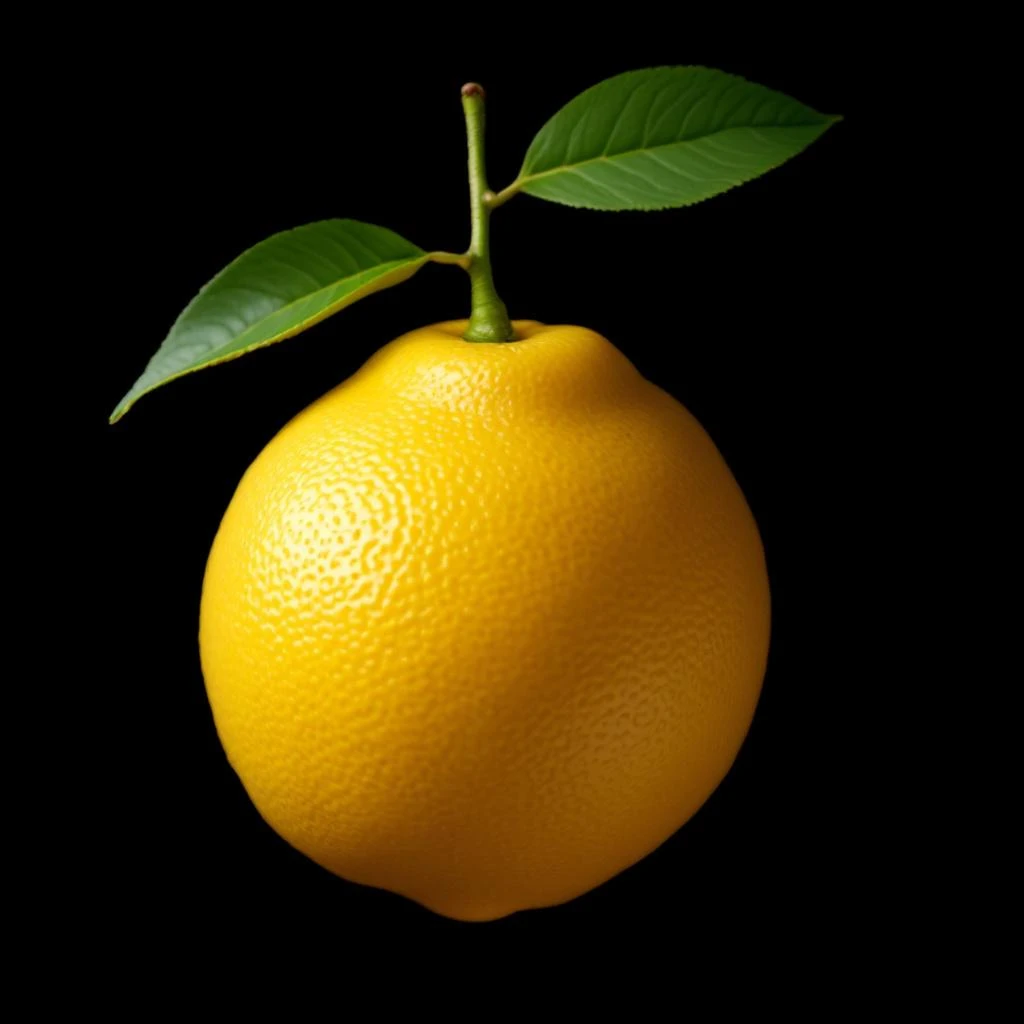
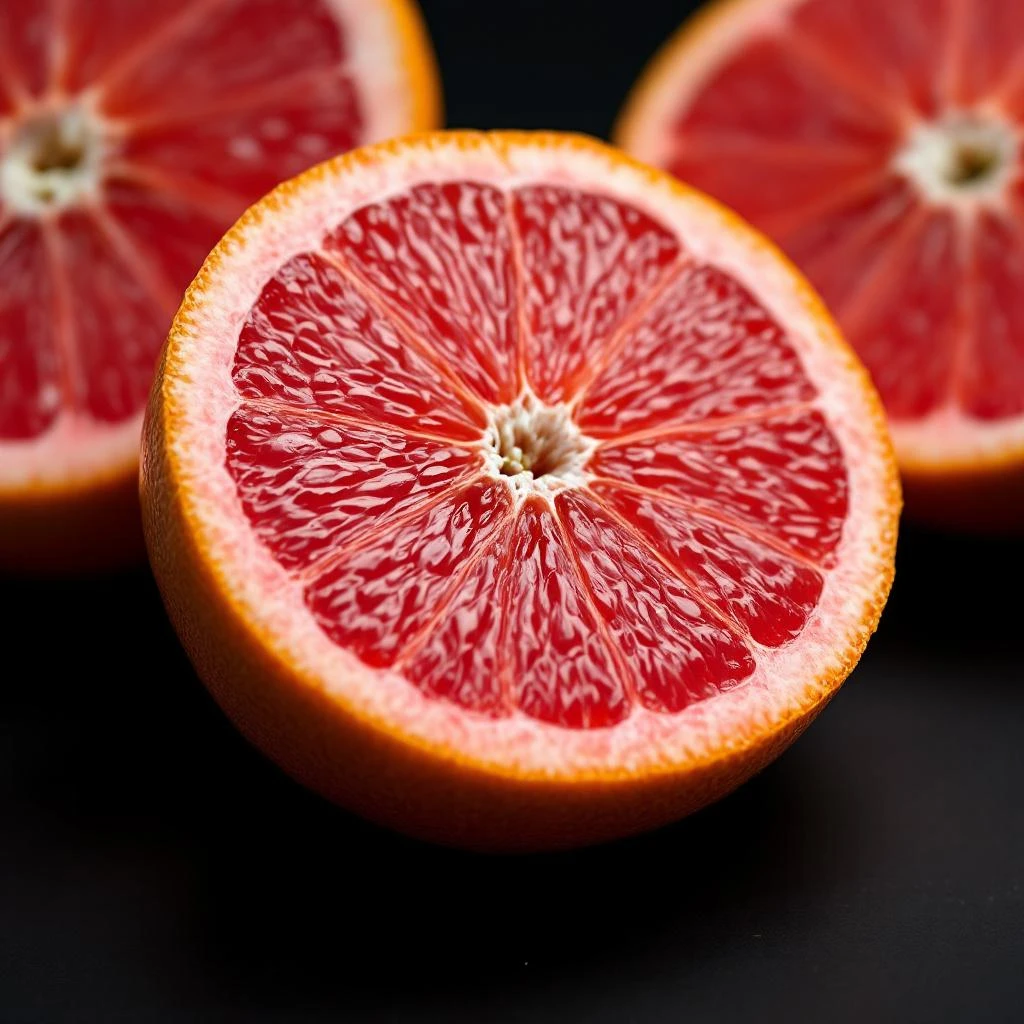
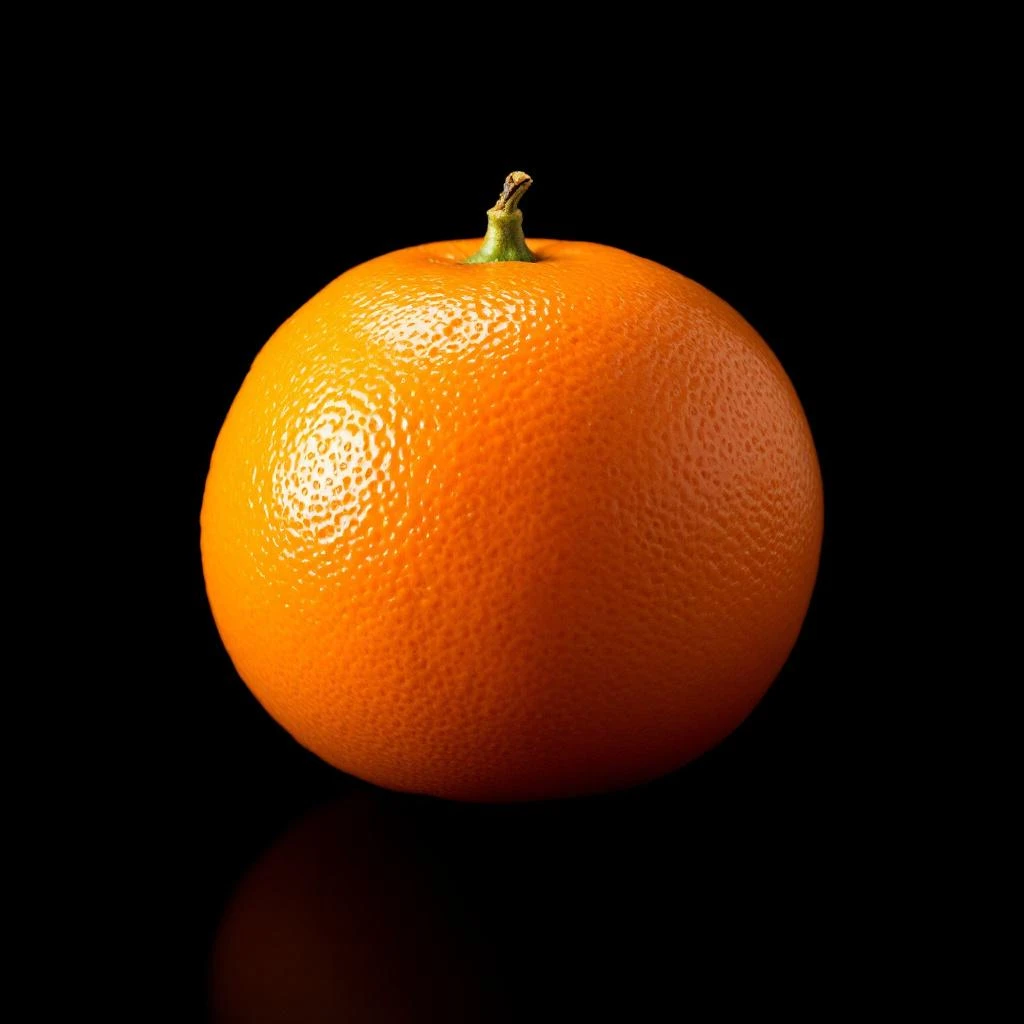
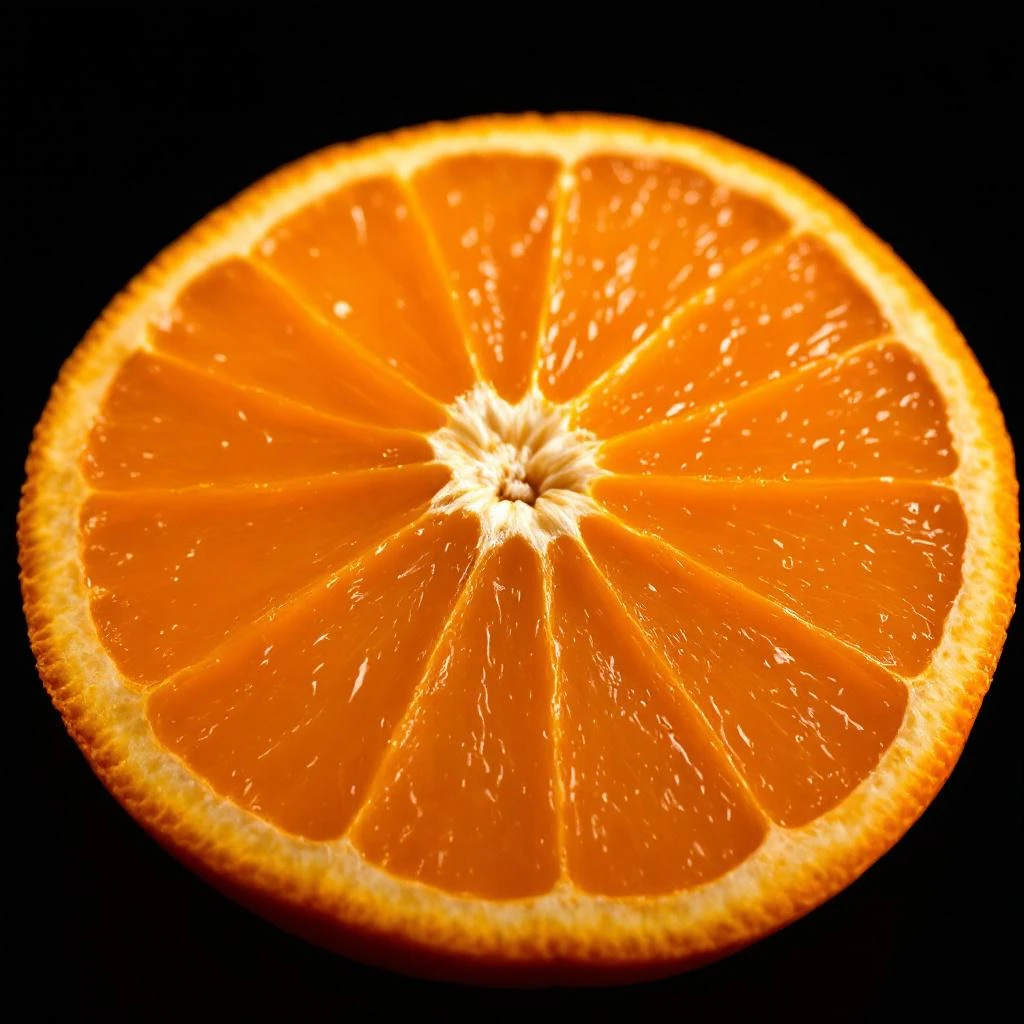
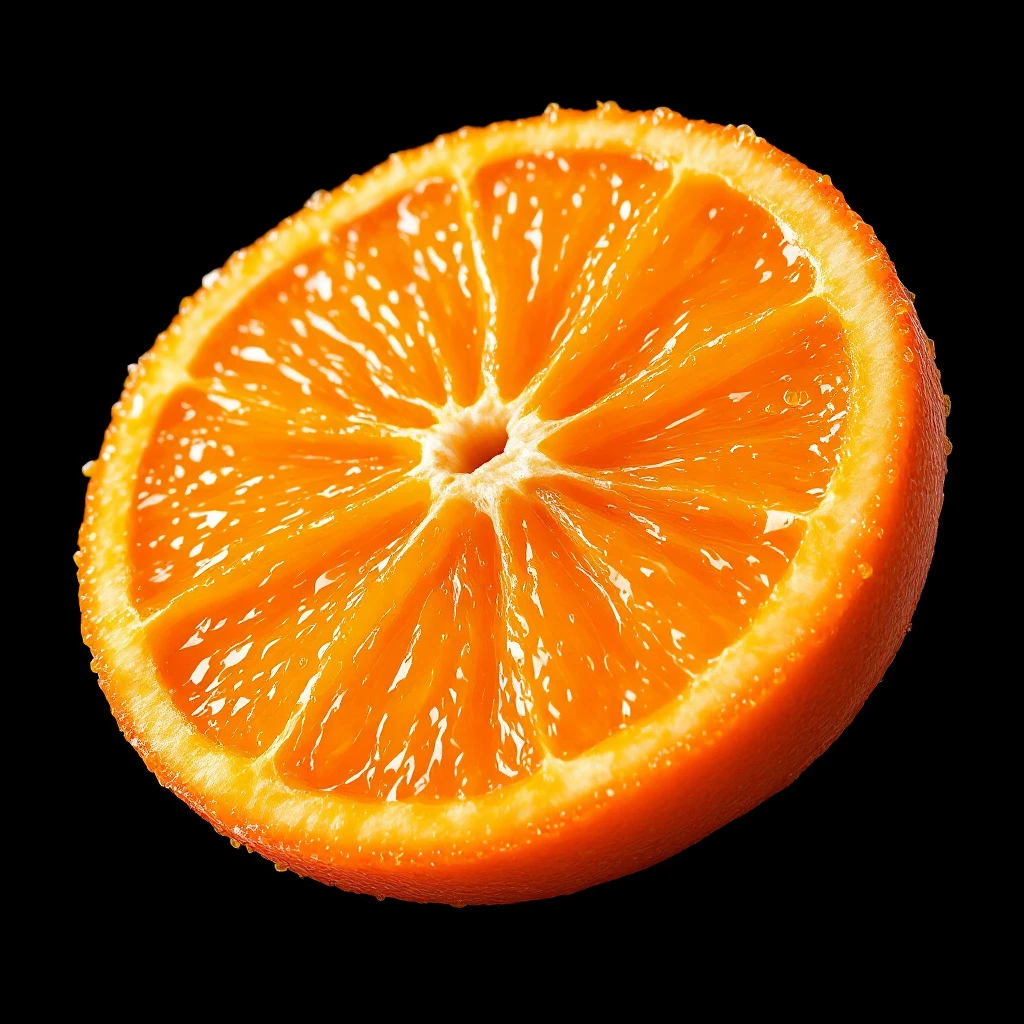
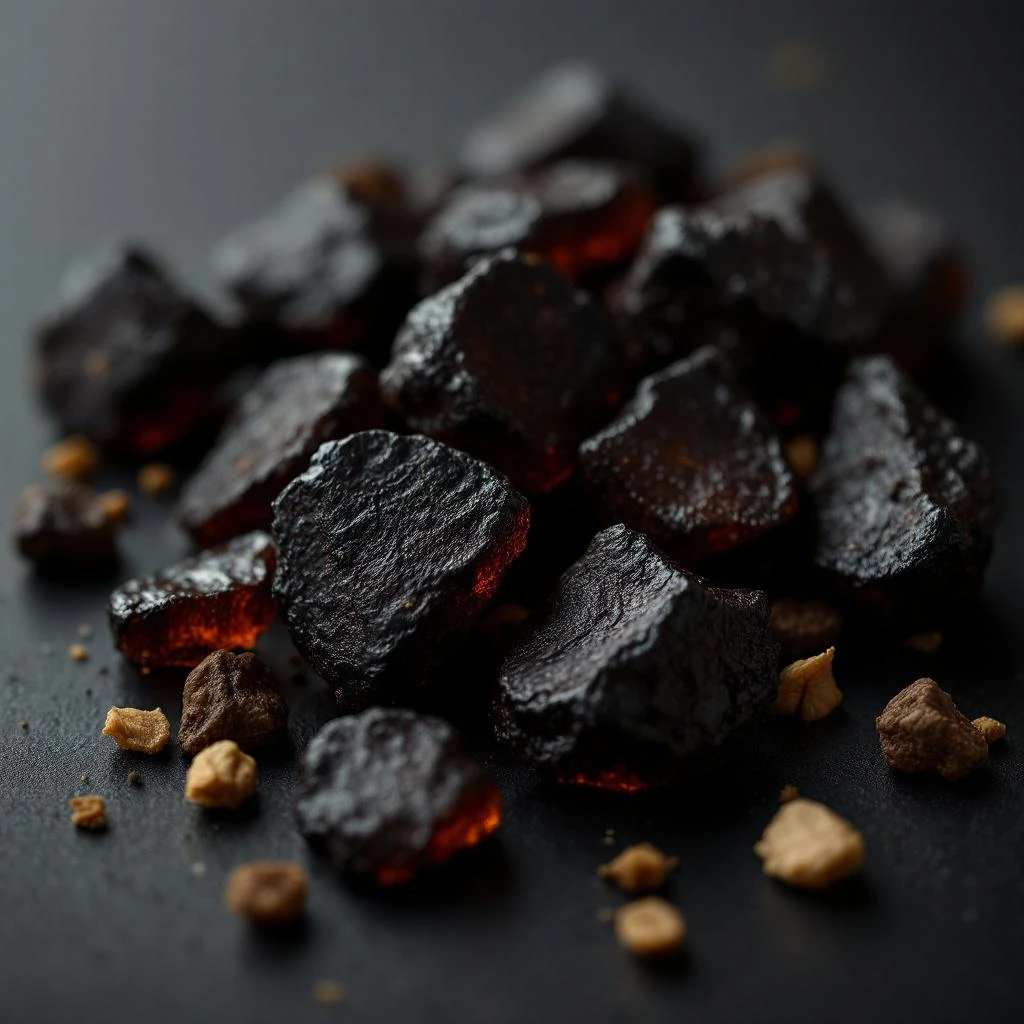
Black Mandarin captures the dusky, sun-warmed peel of late-season mandarins, where sweetness meets a smoky resinous edge. This citrus note adds depth and sophistication to bright compositions.

Character
How it smells
Sunset citrus with a smoky secret
The darkest mandarin varieties ripen slowly on the branch, concentrating sugars and deepening the peel's amber hue, which produces a richer, almost caramelized oil.


Origin
China
The mandarin fruit takes its name from the Mandarins, the scholar-officials of imperial China who received these golden citrus as ceremonial gifts during festivals. Chinese cultivation records document mandarin groves stretching back over 3,000 years.
By the early 1800s, the fruit reached Europe through Italian traders, and Sicily and Calabria quickly became Mediterranean centers for citrus essential oil production. Italian perfumers pioneered the cold-expression technique specifically suited to citrus peels, recognizing that steam distillation destroyed the luminous top notes.
The 'Black' classification emerged from traditional practice of allowing certain mandarin varieties to over-mature on the branch, sometimes even lightly fermenting on the tree, a technique documented in southern Italian and Spanish citrus groves. This late-harvest approach produces an oil with darker color and deeper aromatic profile, valued historically for evoking winter warmth rather than summer brightness.
Wears it best
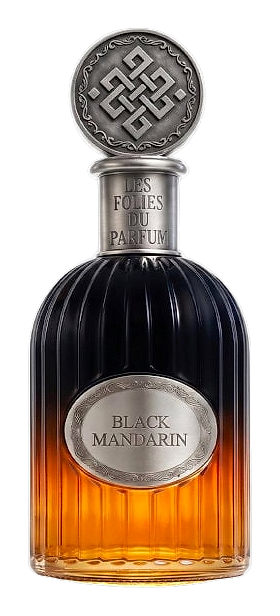
Fragrances featuring Black Mandarin
Brands
Brands known for Black Mandarin
Good to know
Questions, answered
The essentials on Black Mandarin in perfumery: how it smells, where it comes from, and how it behaves on skin.
What does Black Mandarin smell like in perfumery?
Black Mandarin carries a warm, bittersweet citrus profile with pronounced resinous undertones. Unlike bright green mandarin, it opens with honeyed sweetness and finishes with a smoky, almost woody depth that anchors fleeting top notes.
How is Black Mandarin different from regular mandarin?
Regular mandarin oil bursts with sharp, candy-like brightness from early-harvested fruit. Black Mandarin comes from late-ripened or tree-fermented fruit, yielding darker oil with concentrated sugars, heavier molecules, and a richer, more amber-toned character.
What extraction method produces Black Mandarin oil?
Cold-pressing (mechanical expression) ruptures the oil glands in the outer peel without heat. This preserves delicate esters and nitrogenous compounds like methyl N-methylanthranilate that define mandarin's distinctive sweet-floral edge.
Where does Black Mandarin originally come from?
Mandarin trees originated in China over 3,000 years ago, where the fruit was offered to imperial Mandarins. Modern Black Mandarin production concentrates in southern Italy and Spain, where late-season harvesting traditions developed.
Why is Black Mandarin considered a base note alternative?
Though citrus oils typically evaporate quickly, Black Mandarin's late-harvest concentration of heavier sesquiterpenes extends its longevity on skin. Perfumery formulators often use it to bridge fleeting top notes into warmer heart accords.
Is Black Mandarin essential oil expensive?
Black Mandarin oil costs more than standard mandarin due to low yields (under 0.5% of fruit weight) and labor-intensive late harvesting. Tree-fermented varieties command the highest premiums among citrus perfumery ingredients.
Can Black Mandarin be recreated synthetically?
Yes. Modern aroma chemistry isolates key constituents like limonene, gamma-terpinene, and methyl N-methylanthranilate to build reconstructed mandarin accords. These synthetics offer supply stability for fragrance houses dependent on seasonal harvests.
Which fragrances famously feature Black Mandarin?
Several niche and luxury houses have built signature openings around Black Mandarin, including Tom Ford's Mandarino di Amalfi and Hermès Eau de Mandarine Pamplemousse. The note's bittersweet depth defines modern gourmand-citrus compositions.