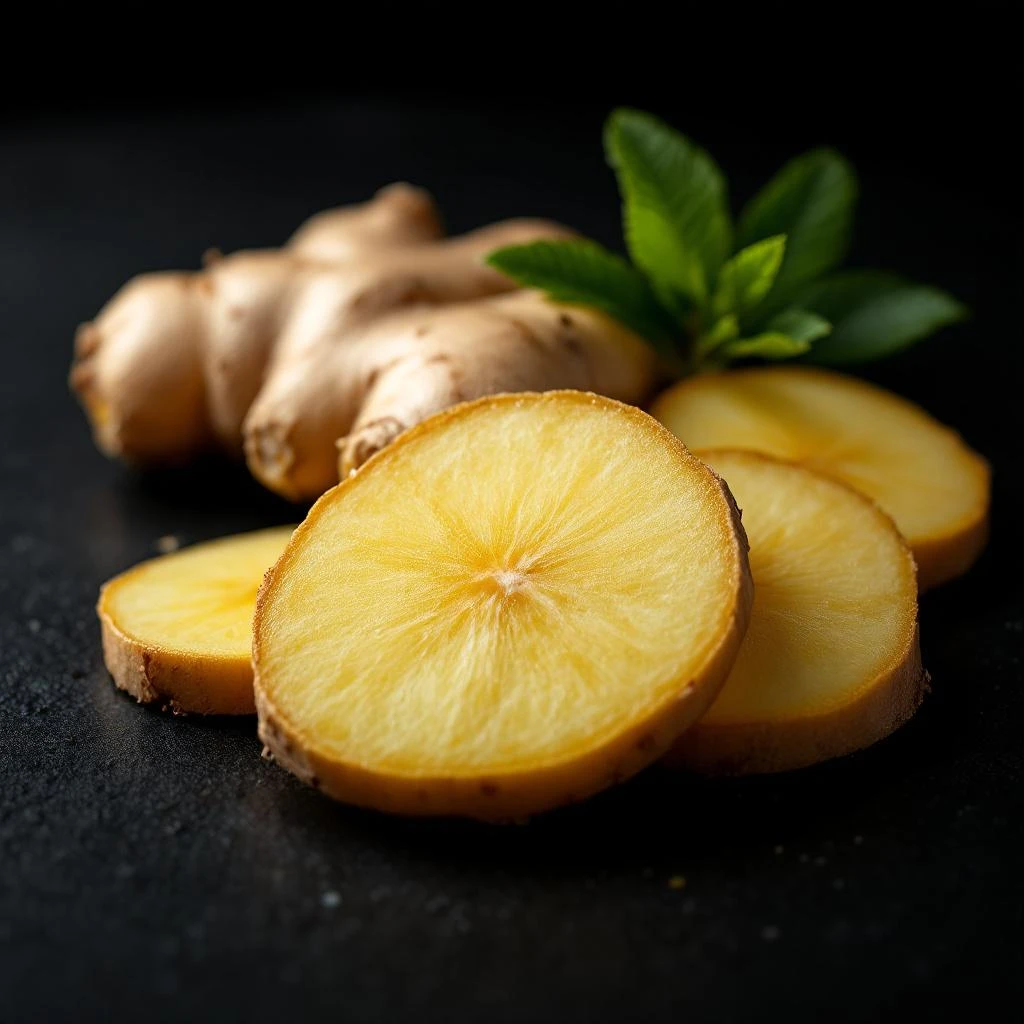
Black Cumin
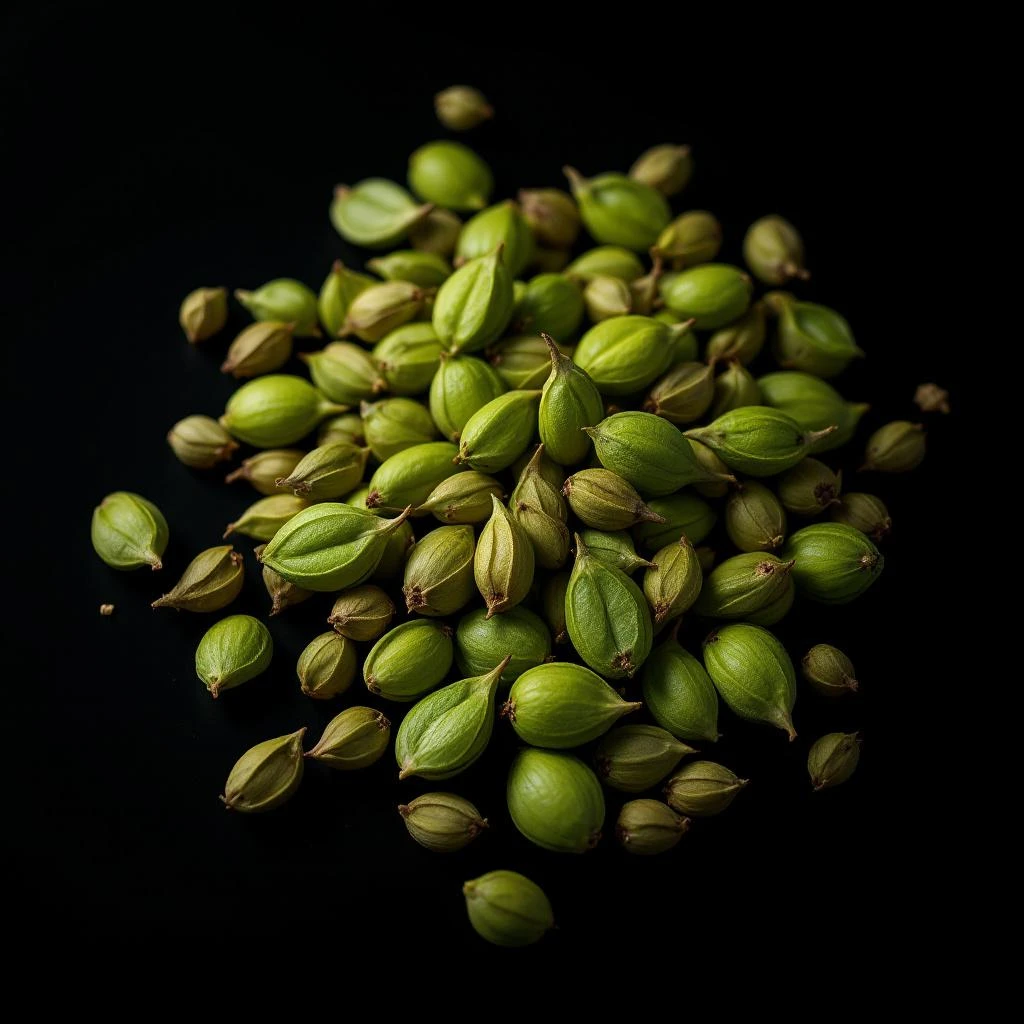
Black Cumin essential oil brings a sharp, almost smoky warmth to fragrance compositions. Its distinctive character bridges spicy and aromatic, adding a provocative edge that few ingredients can replicate.
Character
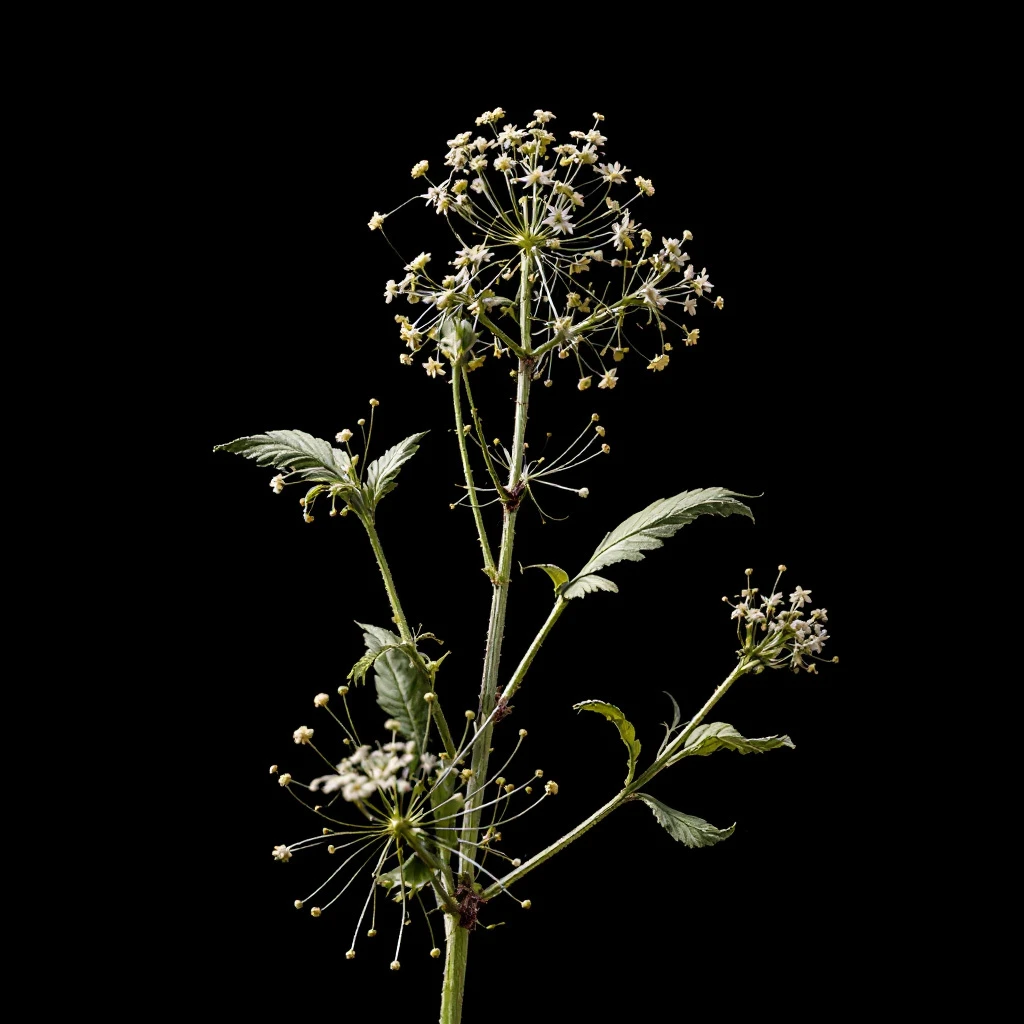
How it smells
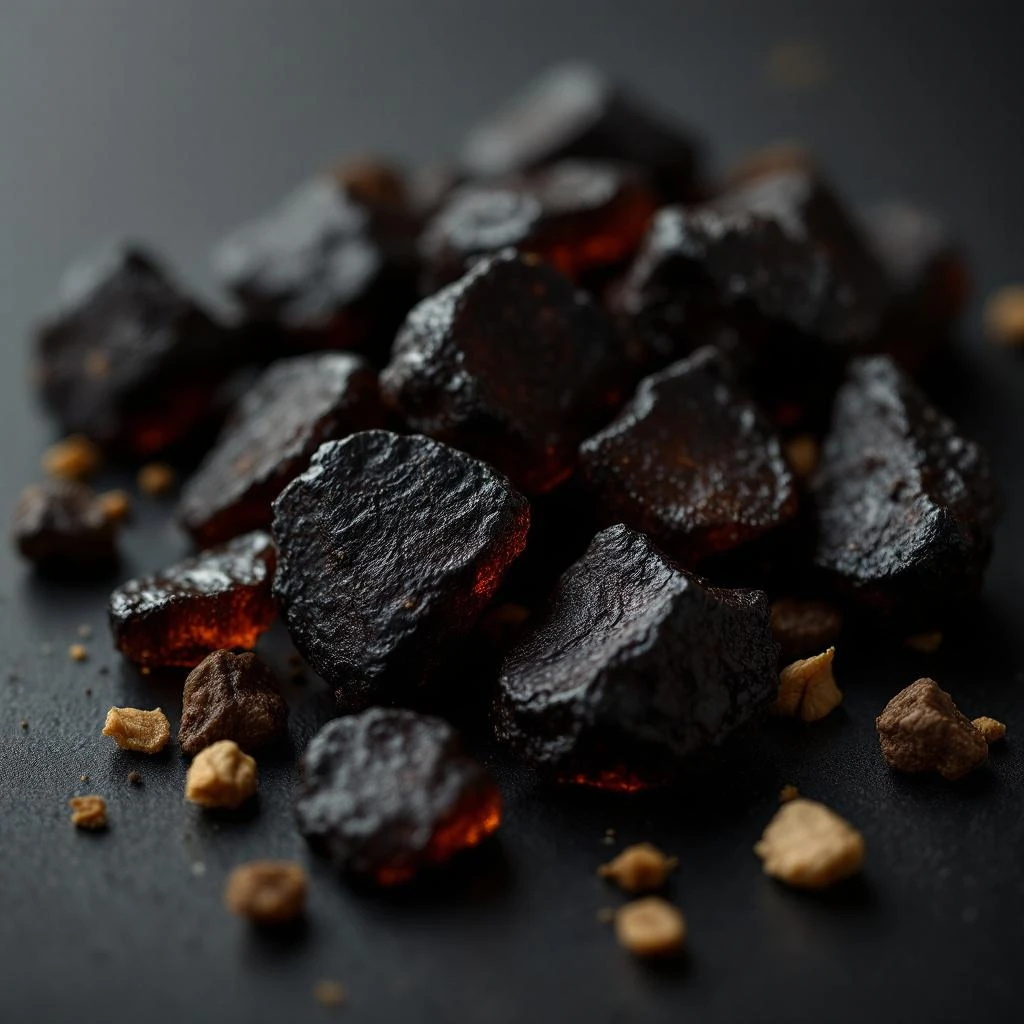
Bold, smoky spice that commands attention.
Ancient Egyptians placed Black Cumin seeds in Tutankhamun's tomb, believing the spice held protective powers.
Origin
India
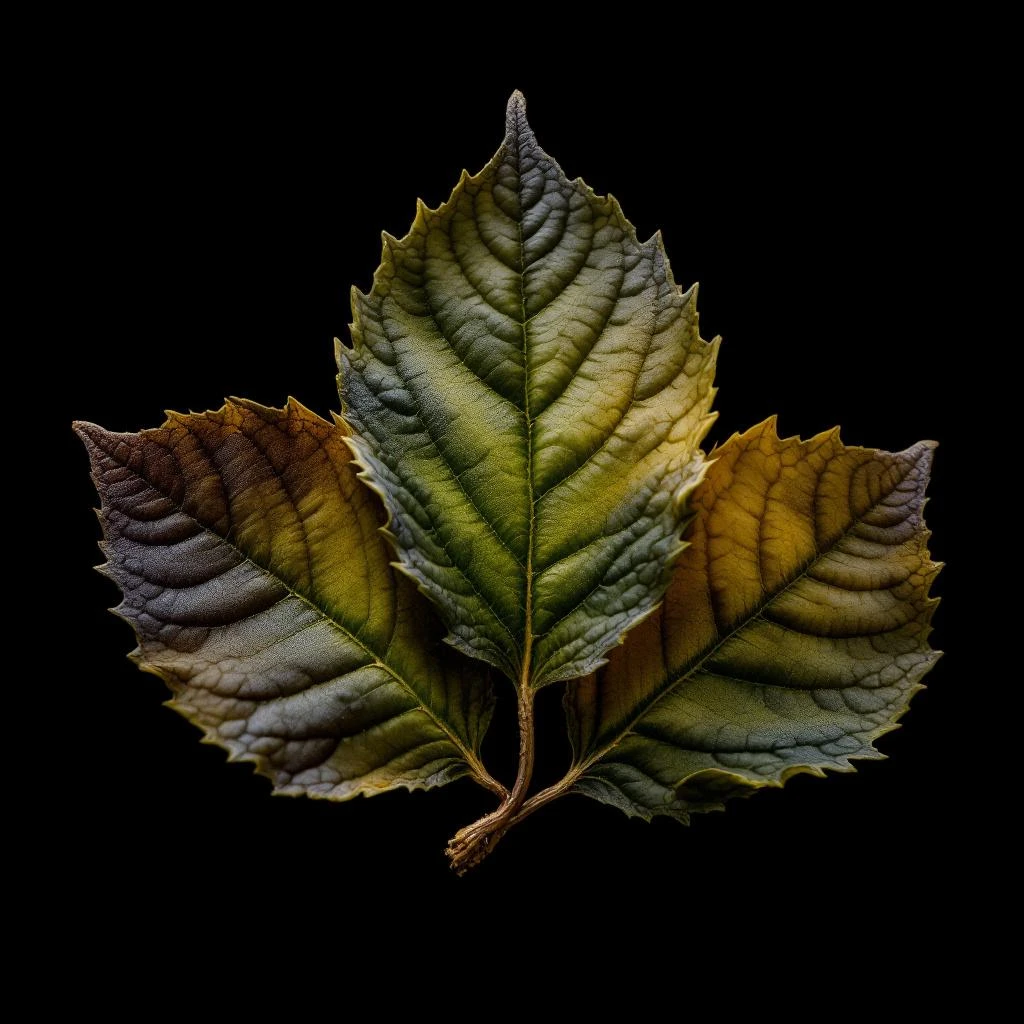
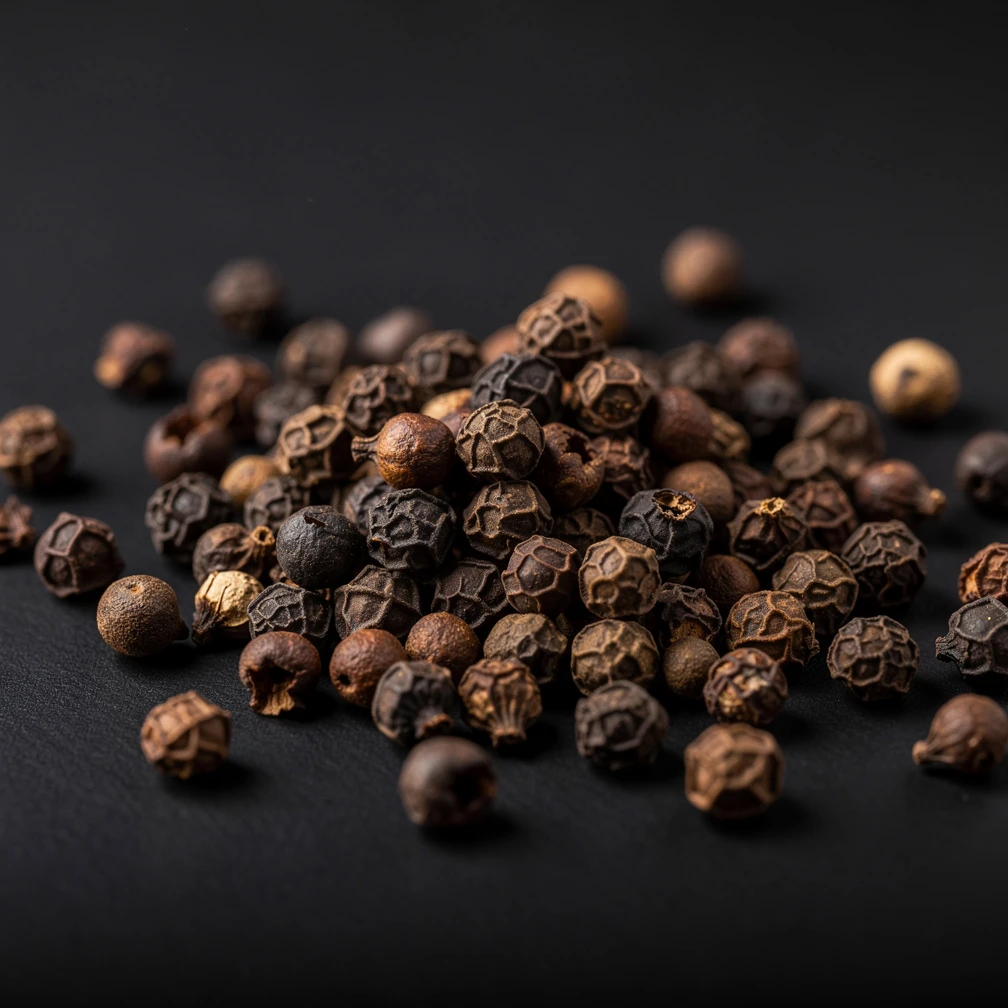
Black Cumin traces its domestic origins to the Mediterranean basin and the Middle East, where civilizations cultivated it for thousands of years. Ancient Egyptians embraced the spice not only in cuisine but in ceremonial contexts; archaeologists have recovered Black Cumin seeds from Tutankhamun's tomb, suggesting spiritual or protective significance in the afterlife.
The plant spread along established trade routes through Arabia, Persia, and into the Indian subcontinent, where it became deeply embedded in culinary and medicinal traditions. Medieval European apothecaries stocked the seeds as remedies for digestive complaints and as protective amulets against plague.
By the late nineteenth century, when modern perfumery began taking shape, fragrance houses explored the material for its bold, aromatic intensity. Black Cumin oil found a place in the smoky, spicy heart notes of oriental fragrances, lending an earthy warmth that felt both ancient and surprisingly contemporary.
Wears it best
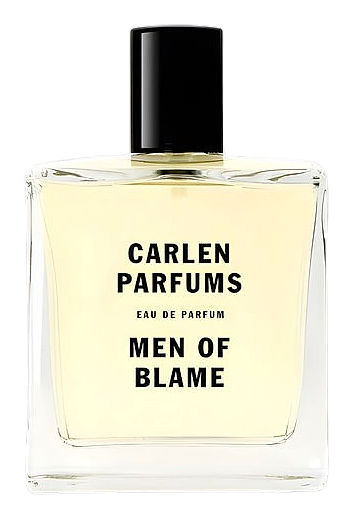
Fragrances featuring Black Cumin
Brands
Brands known for Black Cumin
Good to know
Questions, answered
The essentials on Black Cumin in perfumery: how it smells, where it comes from, and how it behaves on skin.
What does Black Cumin smell like in perfume?
Black Cumin oil delivers a sharp, spicy aroma with warm, earthy undertones and a faint smoky quality. It adds a distinctive edge that feels both raw and refined, standing out among traditional spice notes.
How does Black Cumin differ from regular cumin in fragrance?
Black Cumin (Cuminum cyminum) produces a warmer, more complex essential oil compared to the sharper culinary cumin most people know. It integrates better in perfumery, blending with spicy and woody elements without overpowering a composition.
What percentage do perfumers typically use in a formula?
Perfumers use Black Cumin at very low concentrations, typically below 1% in final fragrance formulas. Its intensity demands restraint, or it overwhelms the other notes in a composition.
Which fragrance families pair well with Black Cumin?
Oriental fragrances benefit most from Black Cumin, where its warm, smoky character complements amber, oud, and resinous base notes. It also appears in spicy chypre and certain fougère structures.
How is Black Cumin oil extracted for perfumery?
Steam distillation extracts the essential oil from dried Black Cumin seeds. The process releases volatile aromatic molecules captured in the condensed steam, which separates from the hydrosol as the finished oil.
Why is Black Cumin considered a challenging perfumery ingredient?
Black Cumin behaves unpredictably across different bases and concentration levels. Its aromatic profile shifts significantly during maceration, requiring extensive testing to achieve the intended effect in a formula.
Does the scent of Black Cumin evolve during wear?
Black Cumin develops over the first hour of wear, revealing deeper earthy and slightly animalic facets as it reacts with skin chemistry. It anchors spicy top notes while contributing a lasting warmth to the drydown.
Are synthetic alternatives available for Black Cumin in perfumery?
Cuminic aldehyde, the primary aromatic constituent, is available as a synthetic aroma chemical. The natural oil remains preferred for its broader complexity, including subtle nuances that single molecules cannot fully replicate.