Silk
In perfumery, Silk is not a raw botanical ingredient but a conceptual accord. It describes the smooth, luxurious texture certain materials create in a fragrance composition, typically achieved through strategic combinations of aldehydes, soft musks, and creamy aromatic molecules that evoke the tactile sensation of silk fabric against skin.
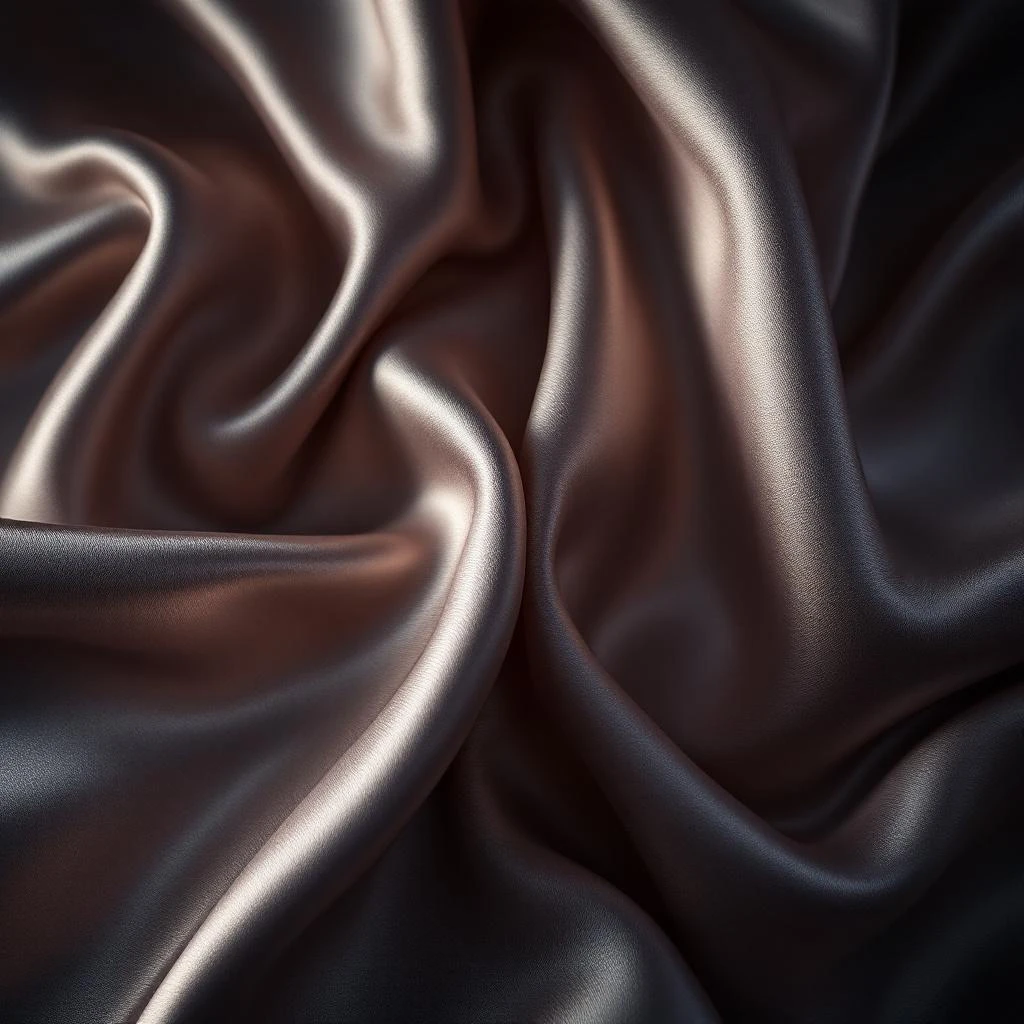
Character
How it smells
Liquid luxury: the velvety sensation that glides across the skin.
Silk Moth cocoon sericin (a protein) has been studied as a fragrance fixative, though perfumers typically achieve the 'silk' effect through synthetic molecular design.








Origin
France
The concept of Silk in perfumery emerged alongside the rise of modern synthetic chemistry in the twentieth century. Early twentieth-century perfumers, particularly those working with Chanel and other couture houses, began experimenting with aldehydes to create what they described as abstract sensations beyond simple floral or woody signatures.
The term 'Silk' itself became popularized as a descriptor for fragrances that offered a smooth, frictionless wearing experience, with 1920s and 1930s formulations often credited with pioneering this tactile approach to scent composition. Today, the language of texture, including terms like Silk, Cashmere, and Velvet, has become integral to how both perfumers and consumers articulate the more abstract dimensions of fragrance experience.
Wears it best
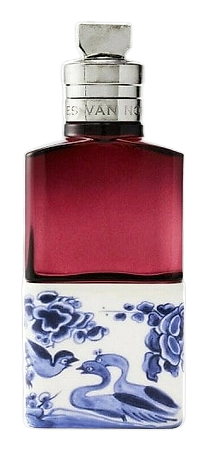
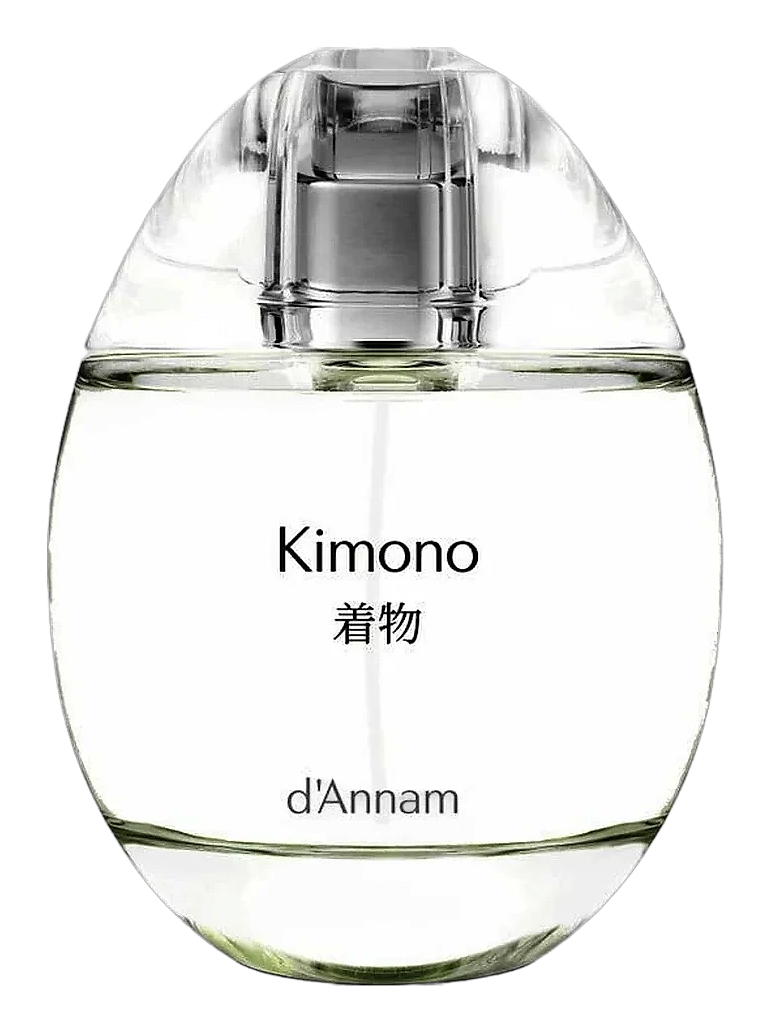
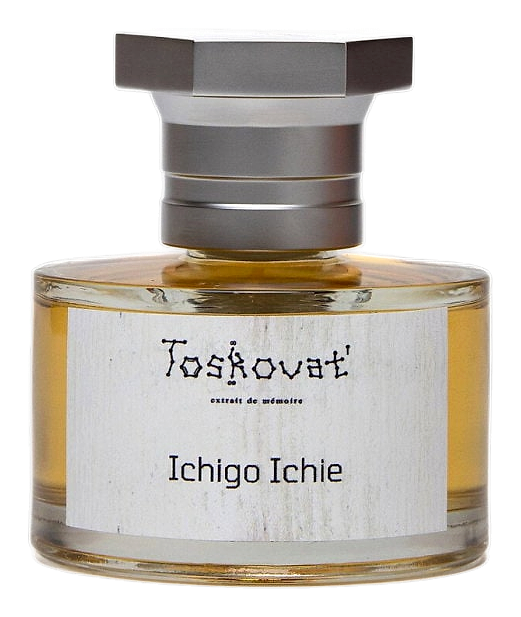
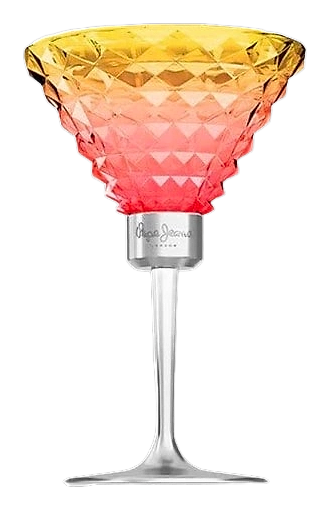
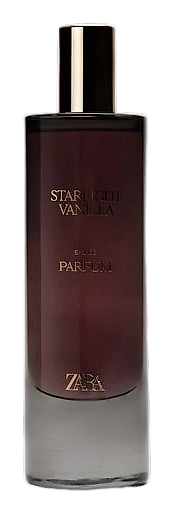
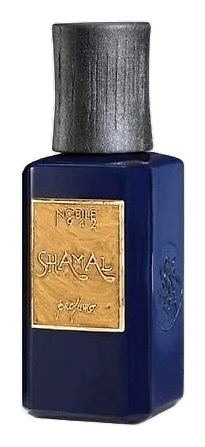
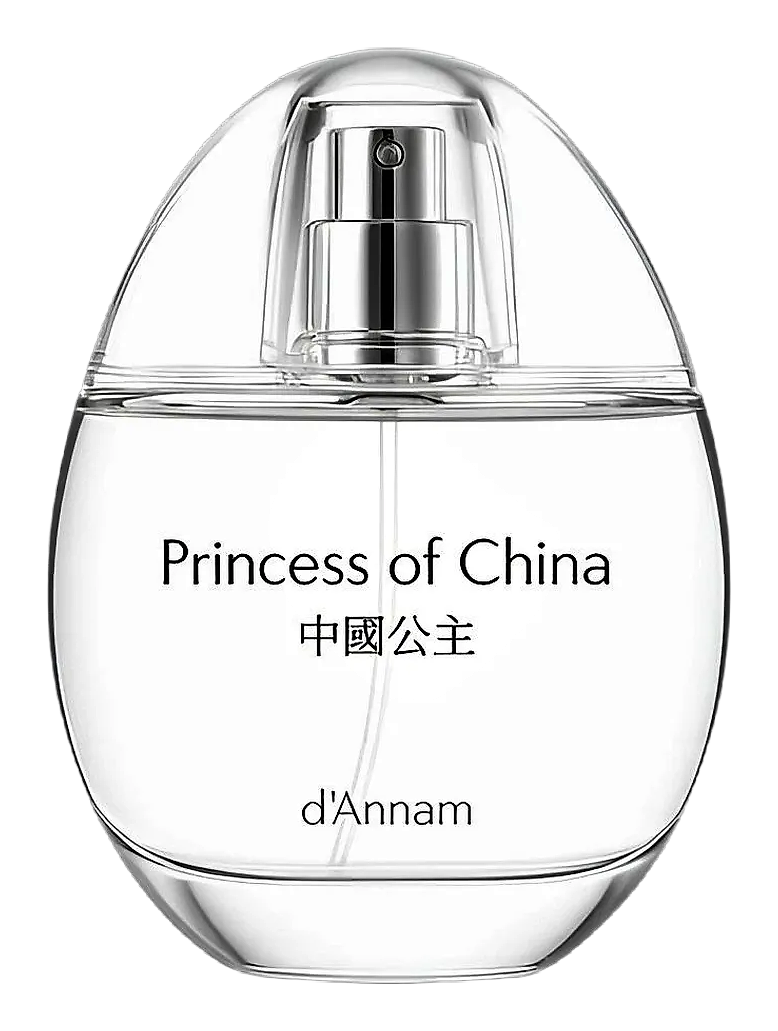
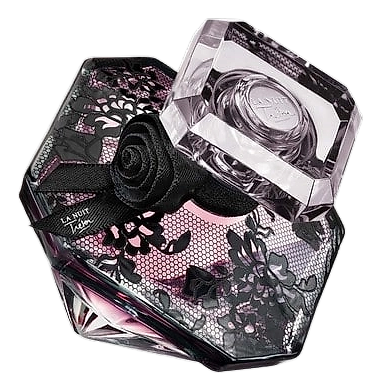
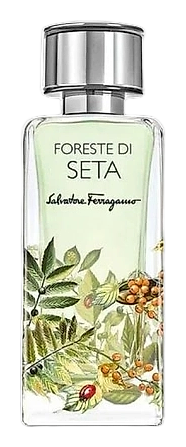
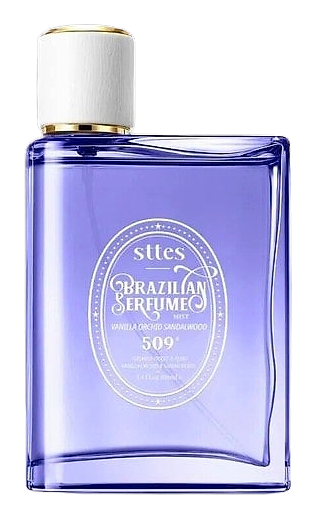
Fragrances featuring Silk


Good to know
Questions, answered
The essentials on Silk in perfumery: how it smells, where it comes from, and how it behaves on skin.
What does Silk smell like in perfume?
Silk does not have a singular scent; it describes a textural quality fragrances can possess. Silk-like accords typically smell smooth, weightless, and creamy, often with a clean, slightly soapy quality that evokes the sensation of silk sliding across skin.
Why is Silk used in perfumery?
Silk accords create a sense of luxury and comfort in fragrance composition. They help round harsh edges, extend the longevity of lighter top notes, and provide a skin-like warmth that makes perfumes feel more intimate and wearable throughout the day.
Is Silk in perfume natural or synthetic?
Silk is a conceptual accord, not a natural extract. It is achieved through synthetic molecules, particularly certain musks like Habanolide and Ambrettolide, which mimic the smooth, velvety sensation associated with silk fabric.
What famous perfumes contain Silk?
Fragrances described as having Silk qualities include Chanel No. 5 (aldehyde-forward compositions), Serge Lutin Musc Ravageur (for its silky musk approach), and many modern formulations marketed with 'silk' language in their descriptors.
Is Silk a top note, heart note, or base note?
Silk accords function across multiple stages of fragrance development. Aldehydes contribute to the opening, soft musks often anchor the dry down, and the effect can persist throughout wear, making it both a structural and textural element rather than a traditional note tier.
What notes pair well with Silk in perfume?
Silk pairs well with powdery notes like iris and violet, creamy florals such as jasmine and tuberose, and soft woods including sandalwood. These combinations enhance the sense of warmth and smoothness without introducing harsh contrasts.
Where does Silk come from?
Silk as a perfumery concept originated in twentieth-century French fragrance houses, particularly in Paris. The modern synthesis of silk-like accords relies on aromatic molecules developed through organic chemistry, primarily synthesized in European and American laboratories since the 1950s.
Is Silk used in men's or women's fragrances?
Silk accords appear in both men's and women's fragrances. For women's scents, they often enhance florals and orientals; for men's fragrances, they soften woody and aromatic compositions, creating a contemporary elegance that transcends traditional gender boundaries in perfumery.