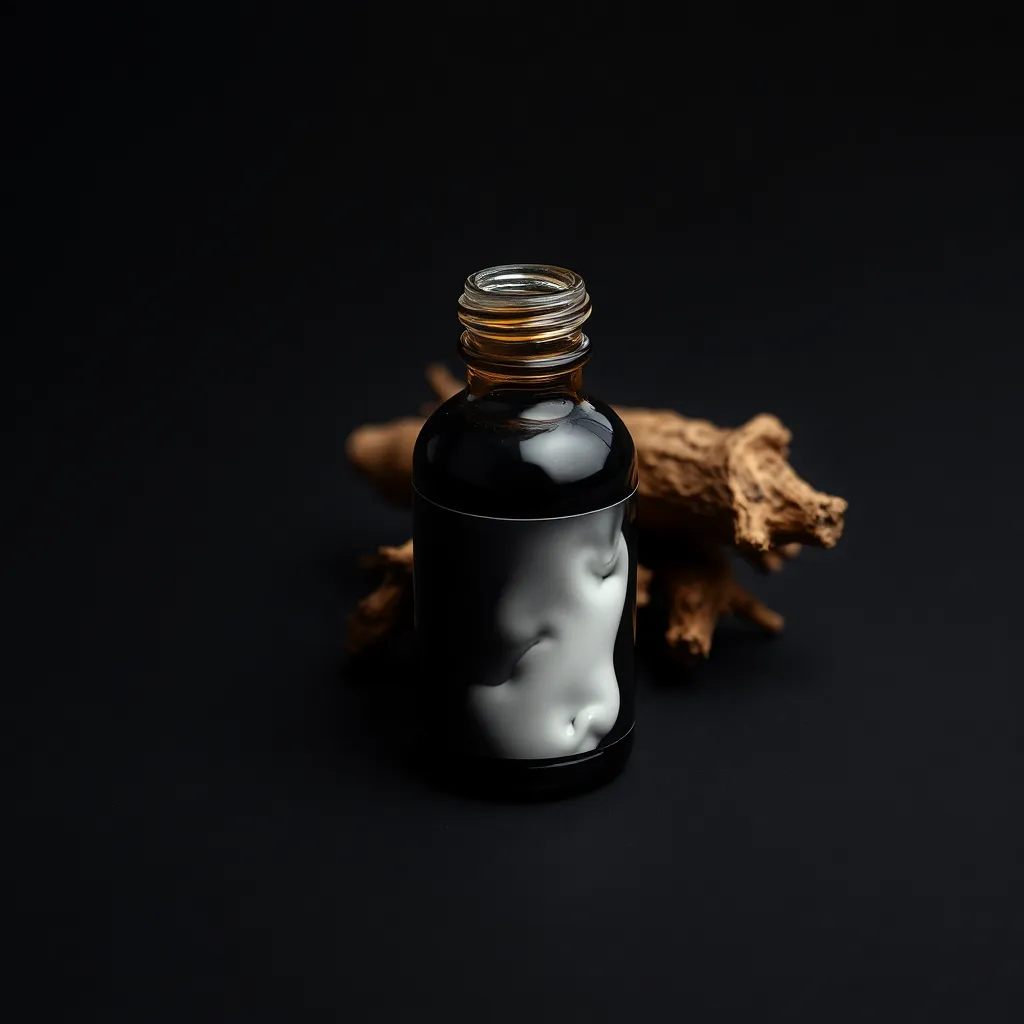
Black
Black in perfumery is a conceptual note, a darkness and depth rather than a literal scent. It anchors compositions with smoky, mineral, or ink-like accords that shape how other notes register on skin.

Character
How it smells
Depth, shadow, and structural weight
There is no single molecule called 'black' in perfumery; the note is built from materials like birch tar, oud, labdanum, and synthetic noir-effect bases designed to read as darkness itself.








Origin
France
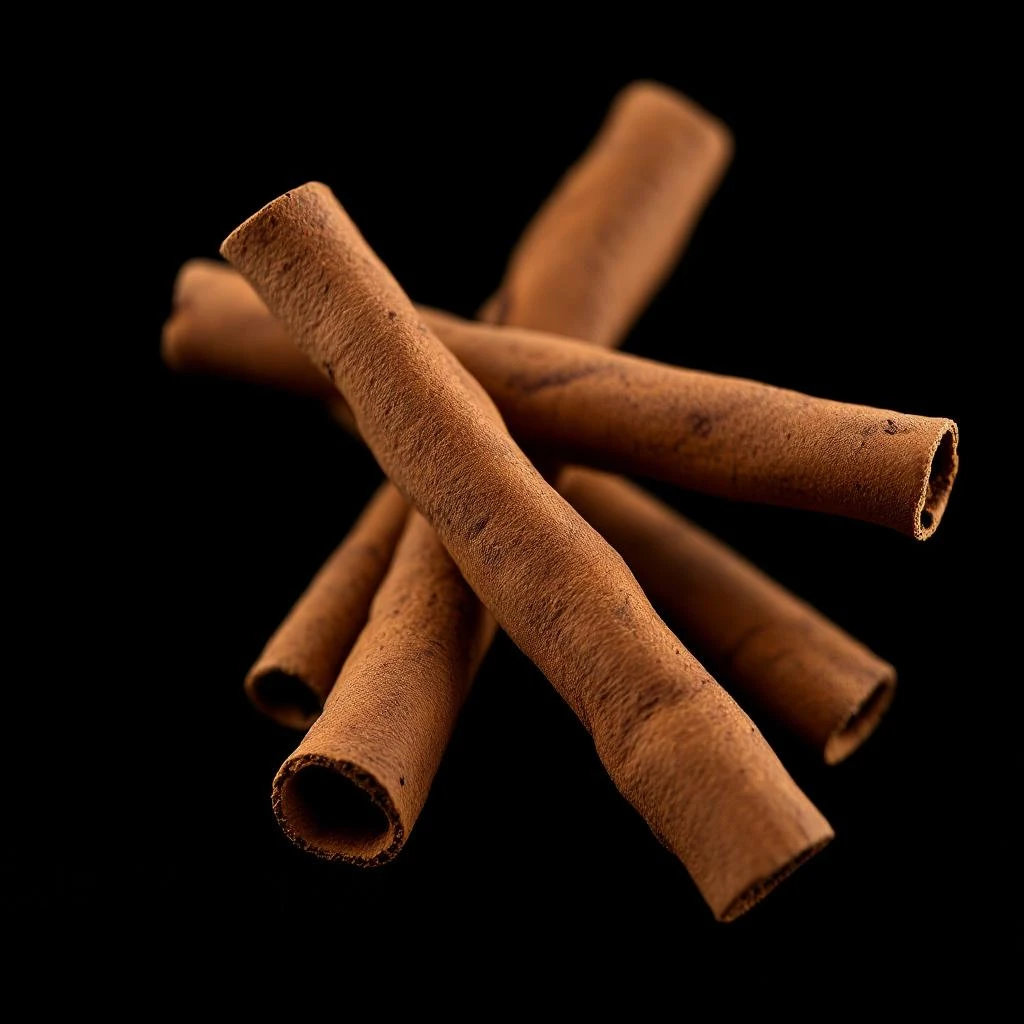
Black as a fragrance concept traces back to 19th-century Europe, when perfumers began working with birch tar and cade oil for leather and tobacco accords. These pyroligneous materials brought an unusual sootiness to colognes, the first deliberate use of darkness as an aesthetic.
By the early 1900s, orient-leaning French houses built 'noir' perfumes around oud imports from Cambodia and India, framing the note as exotic and mysterious. The Gothic and chypre revivals of the 1970s and 1990s pushed black further, with compositions built around labdanum, castoreum, and burnt-wood synthetics.
The 2000s saw the rise of designer 'black' flankers, fragrances marketed visually and olfactorily around the color, signaling that blackness had become a full creative category rather than a background shade. Today, 'black' sits alongside floral, woody, and amber as a recognized structural family.
Wears it best
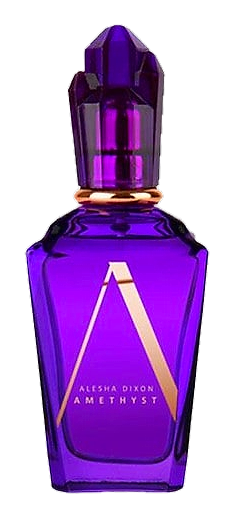
Fragrances featuring Black
Brands
Brands known for Black
Good to know
Questions, answered
The essentials on Black in perfumery: how it smells, where it comes from, and how it behaves on skin.
What does the black note smell like in perfume?
Black notes typically smell smoky, ashen, resinous, or mineral, depending on the supporting materials. Compositions often combine birch tar, oud, or labdanum to create an impression of depth, embers, or carbon rather than a single recognizable aroma.
Is black a natural or synthetic fragrance note?
Black is a conceptual note built from both natural and synthetic materials. Natural sources include birch tar and oud; synthetic additions include captive aroma chemicals designed to amplify smoky or charred effects.
Which natural ingredients create a black scent profile?
Birch tar, cade oil, oud, and labdanum absolute are the most common natural contributors. Each adds a different shade of blackness, from dry soot (birch tar) to resinous depth (labdanum).
When did black notes first appear in perfumery?
Black tonalities emerged in 19th-century Europe with the use of birch tar and cade oil in leather-style colognes. The concept expanded into a full fragrance family by the late 20th century.
Is the black note suitable for sensitive skin?
Sensitivity depends on the carrier ingredients, not the 'black' label itself. Birch tar and certain synthetic musks can irritate reactive skin; patch testing any new formula is the safest approach.
What perfume families pair well with black notes?
Black notes anchor woody, oriental, leather, and smoky floral families particularly well. They also provide contrast in bright compositions built around citrus or white florals.
Why are so many perfumes named after the color black?
The name signals mood and intensity, communicating depth, sensuality, or mystery before the bottle is opened. Marketers adopted it widely from the 2000s onward as a shorthand for darker compositions.
Are black notes vegan?
Vegan status depends on the specific formula. Black-accord materials like birch tar and synthetics are plant-derived or lab-made; some dark compositions still incorporate castoreum or other animal-derived fixatives.