

Heritage
A house, in its own words
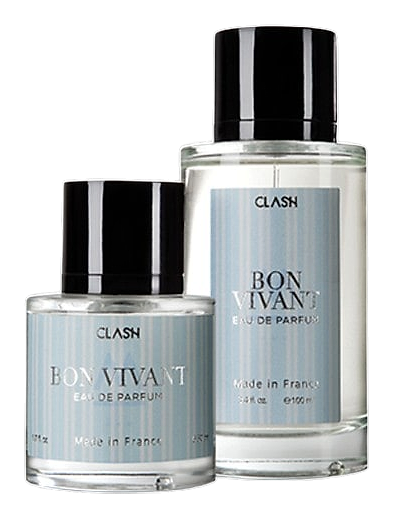
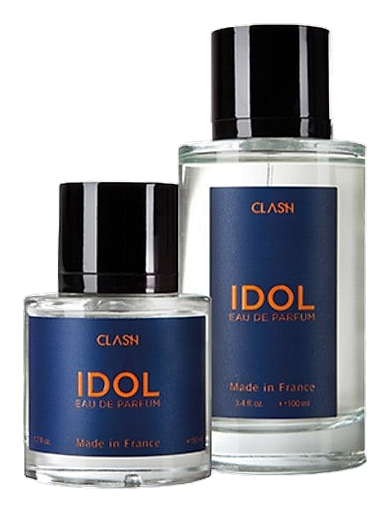
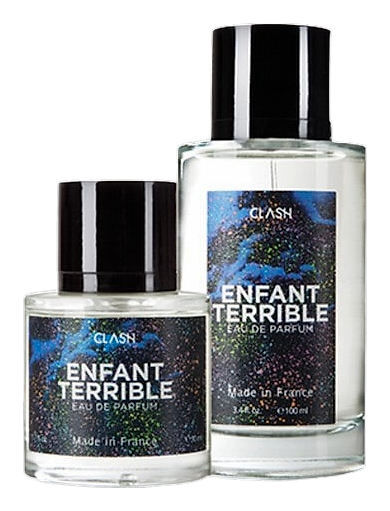
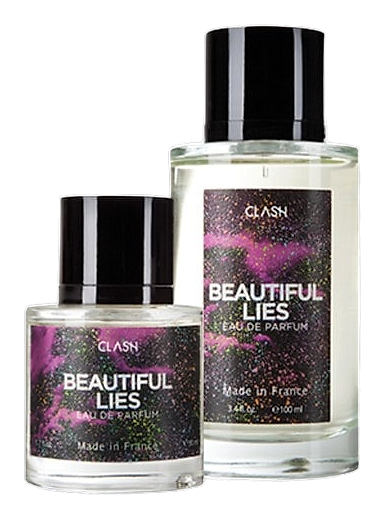
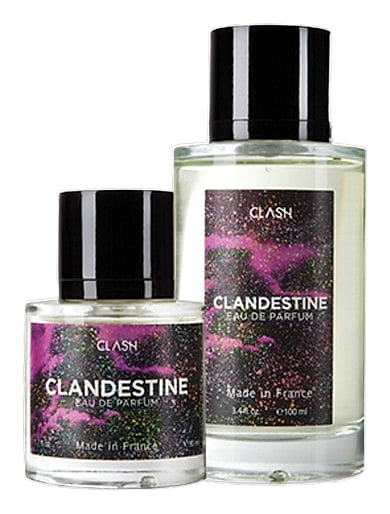
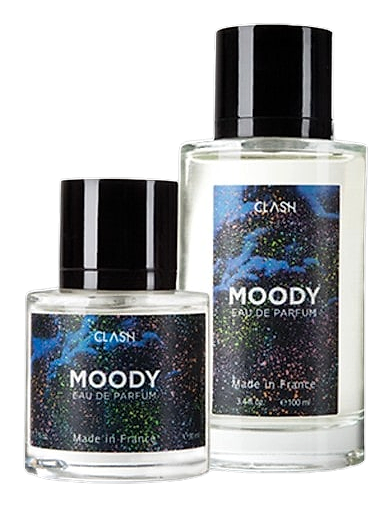
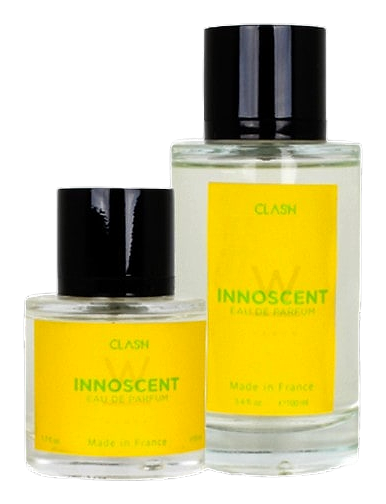
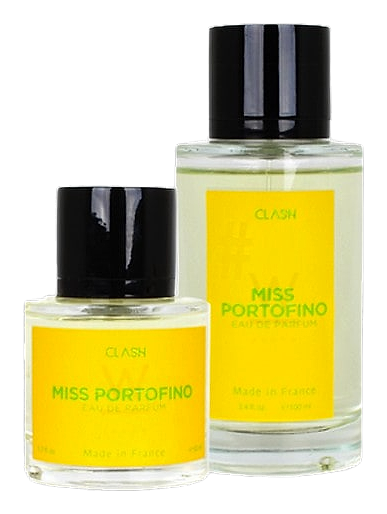
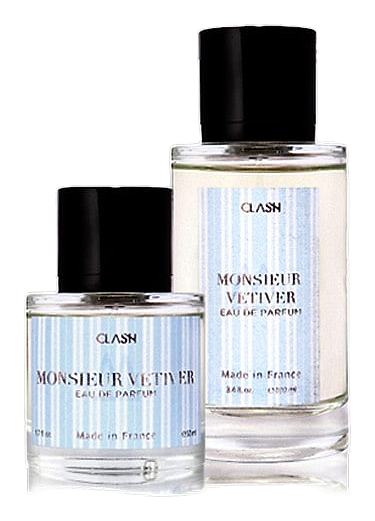
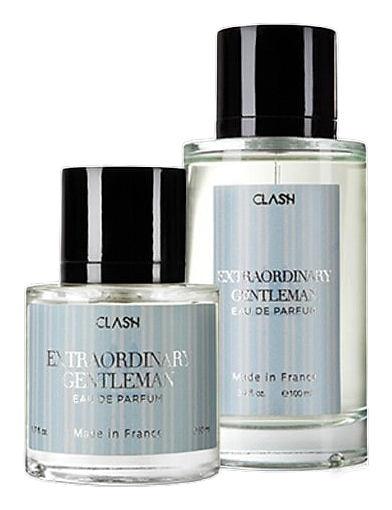
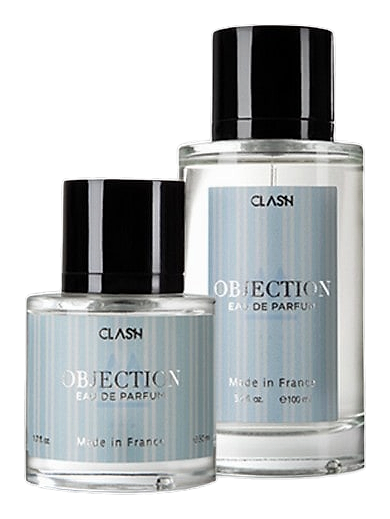
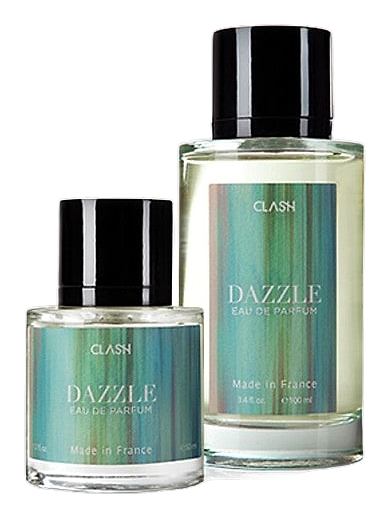
The public record on Clash Fragrances is thin, which itself is part of the story. The house surfaced with a cluster of fragrances all dated to 2015 on fragrance databases, an unusually large debut range for an independent label and a sign that the founders arrived with a clear creative roadmap already drawn. The brand's stated inspiration is to create scents that 'evoke the best emotions and memories of life,' a mission articulated on its own channels rather than borrowed from a long family lineage, which sets it apart from the multi-generational perfume houses that dominate the category. No founding family, ancestral atelier, or century-old archive has been publicly documented, so the heritage here is short but deliberate: a brand built from scratch around emotional storytelling and character-led naming. A subsequent release, Clash, was developed with Dominique Ropion, a perfumer known for IFF and for landmark compositions like Frédéric Malle's Portrait of a Lady, lending the house a credential that most young brands take decades to earn. Because so much of Clash's origin lives only on its own platforms, details should be read as self-reported unless cross-checked elsewhere. Clash Fragrances positions itself around the psychology of scent, treating fragrance as a trigger for personal memory rather than a decorative accessory. The brand's own language, that its range is 'carefully crafted' to evoke the strongest emotions, points to an auteur approach where each composition is built around a specific feeling or archetype, from the rebelliousness of Enfant Terrible to the theatricality of Catwalk and the provocateur spirit of Devil May Care. That naming strategy is itself a philosophy: rather than abstract florals or numerical codes, the house chooses titles that read like characters, inviting the wearer to step into a role. The collaboration with Dominique Ropion on the fragrance titled Clash deepens that ethos, since Ropion's career has been defined by precision and structural clarity rather than marketing spectacle. In practice, the philosophy reads as a belief that a perfume should have a point of view, a mood you can name, and a story you can finish.