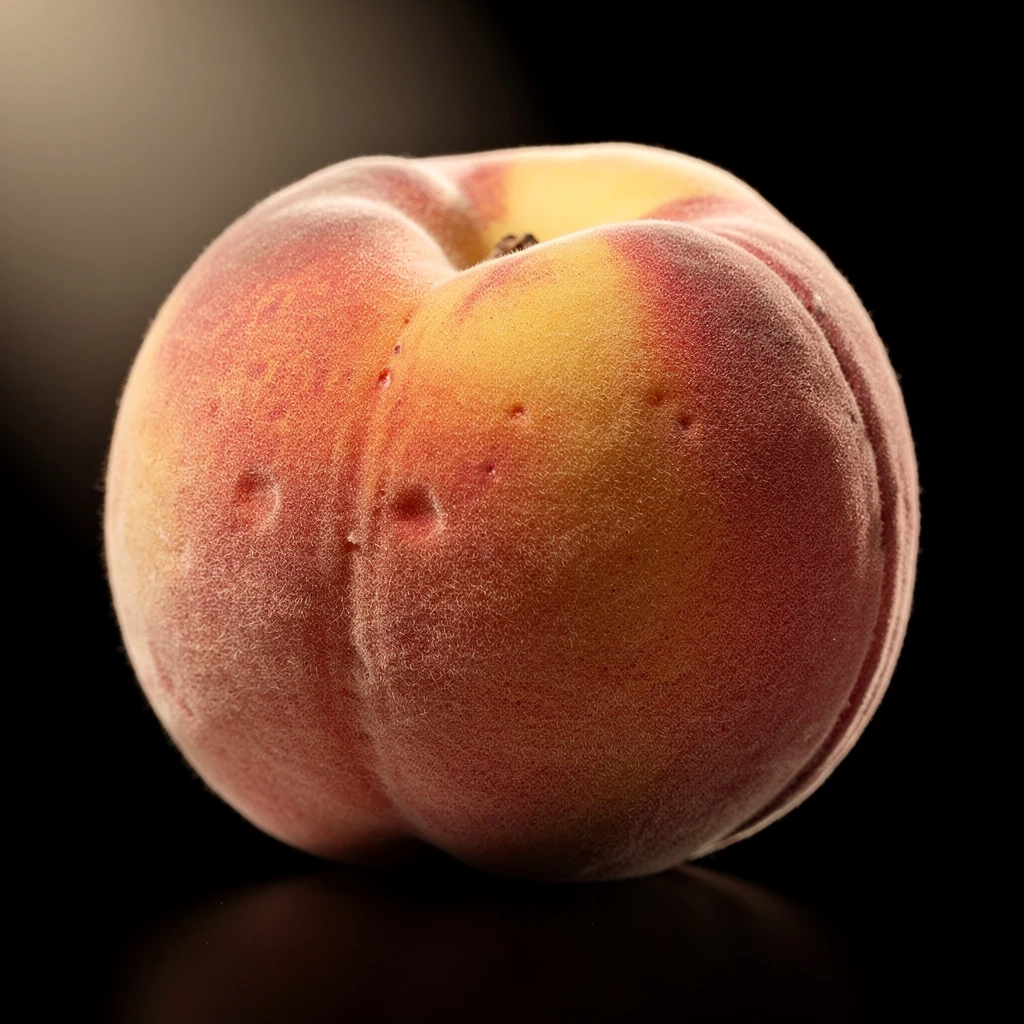
Bergamot Pear
Bergamot Pear marries the bright, sun-warmed zest of Calabrian bergamot with the crisp green sweetness of fresh pear. A modern top note built on contrast: zingy citrus lift softened by orchard-fruit smoothness.
Character
How it smells
Citrus sparkle meets orchard sweetness
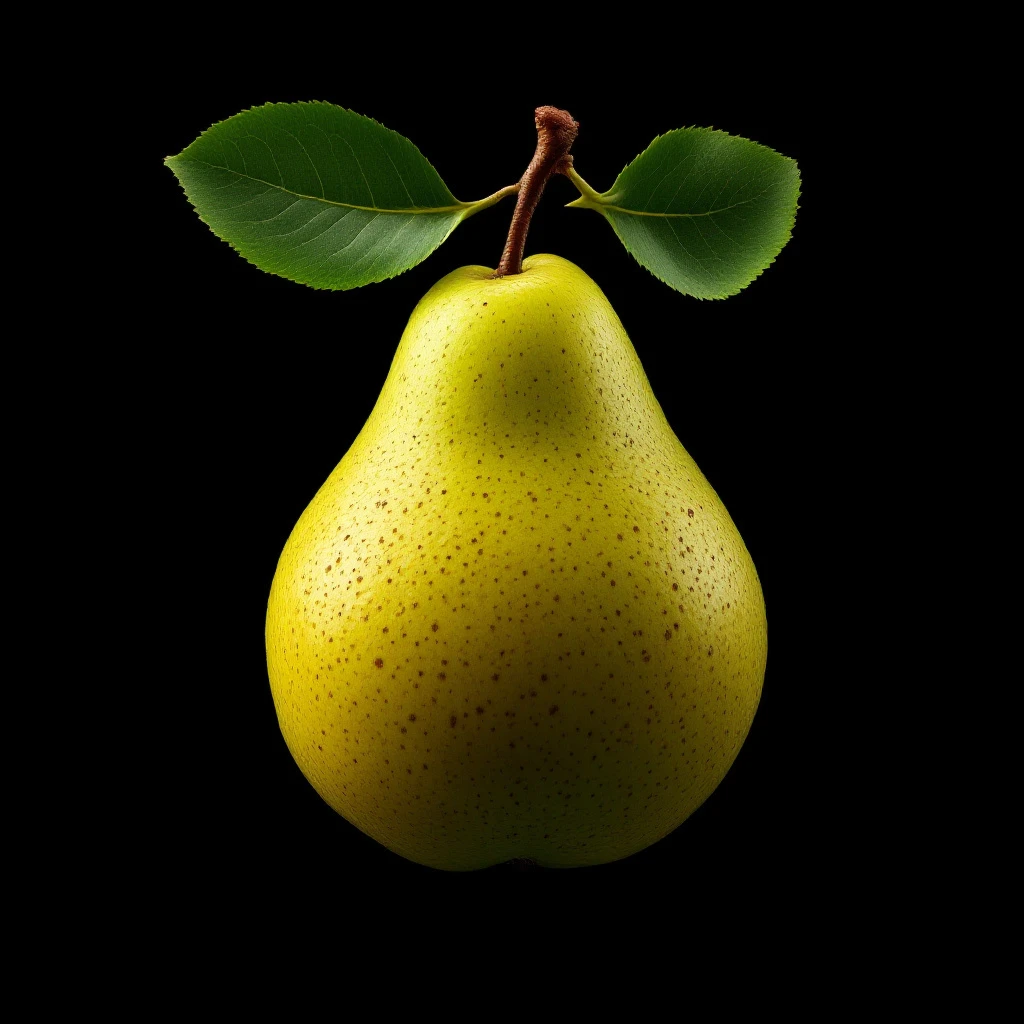
The fruit called bergamot pear shares only its name with bergamot citrus; it descends from Ottoman Turkish varieties and contains no citrus at all.
Pairs beautifully with



Origin
Italy
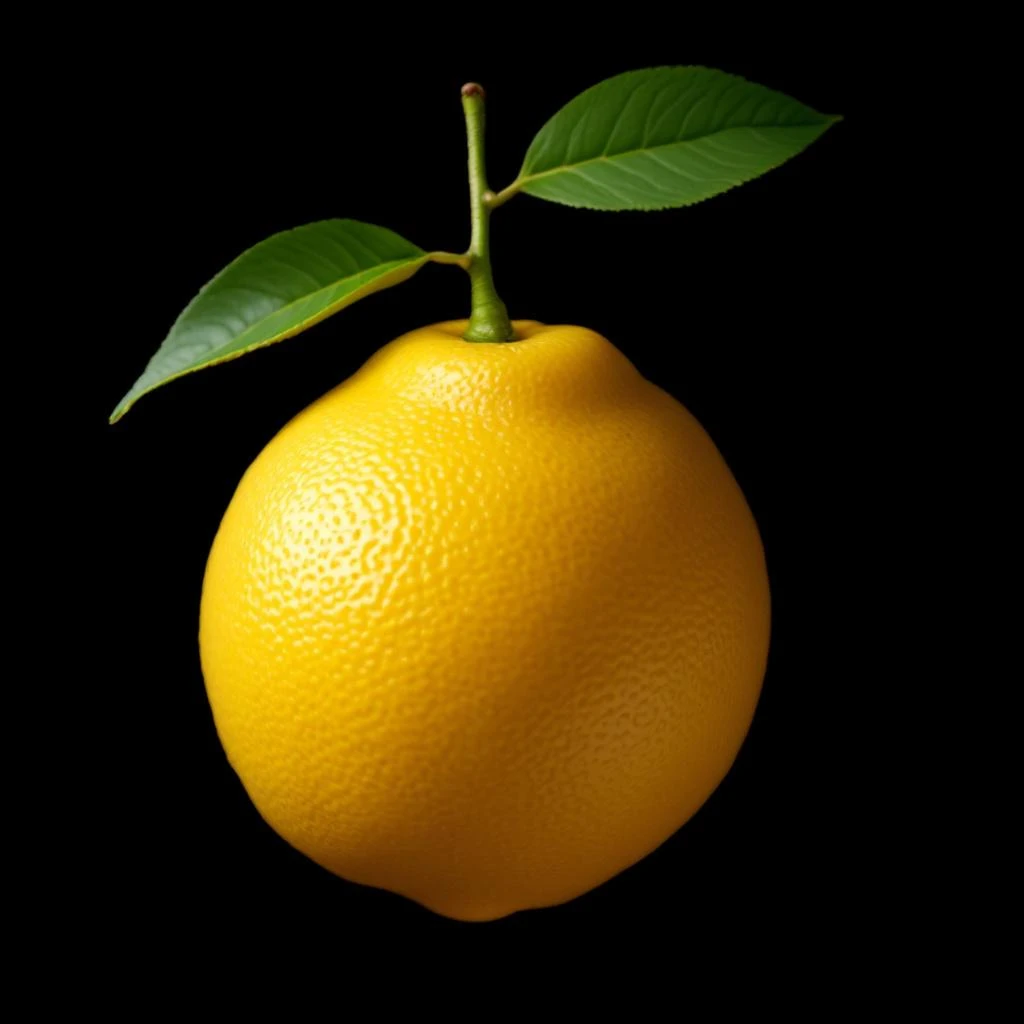
The bergamot in this note takes its name from Bergamo, the Lombardy city where its oil was first traded commercially. Cultivated for roughly 600 years along the Calabrian coast of southern Italy, the fruit now produces around 100 tonnes of oil annually, most of it destined for perfumery. The earliest documented use of bergamot oil as a fragrance ingredient appears in 1714, recorded in the Farina Archive in Cologne.
Bergamot became a defining element of the original Eau de Cologne and remains one of the most widely used citrus notes in modern perfumery. The pear component follows a different path. The actual bergamot pear is an heirloom variety traceable to Ottoman Turkish cultivation, called beg armudi, meaning 'prince's pear.'
It carries no botanical relation to the citrus fruit. As a fragrance note, pear became prominent in the late 20th century when advances in aroma chemistry allowed perfumers to reconstruct its delicate, ephemeral scent without depending on fleeting natural extracts.
Wears it best
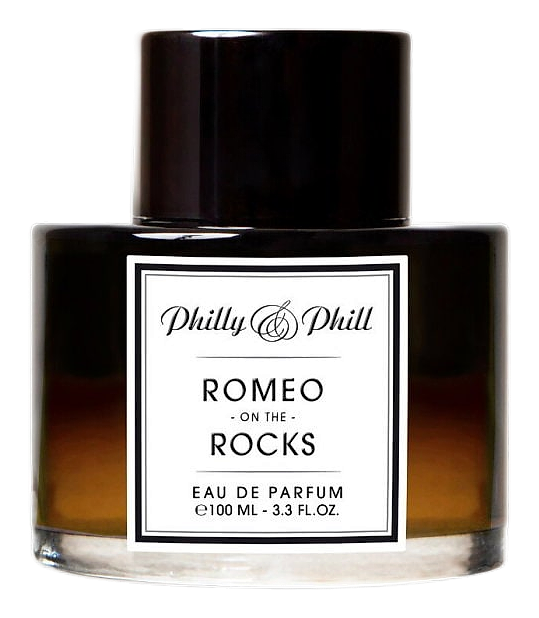
Fragrances featuring Bergamot Pear
Brands
Brands known for Bergamot Pear
Good to know
Questions, answered
The essentials on Bergamot Pear in perfumery: how it smells, where it comes from, and how it behaves on skin.
What does Bergamot Pear smell like?
Bergamot Pear combines the bright, slightly bitter zest of bergamot citrus with the crisp sweetness of ripe pear. The result is fresh and fruity, with green, juicy edges and a soft, sugary finish that feels modern and clean.
Is Bergamot Pear a natural fragrance ingredient?
It is a constructed accord rather than a single natural material. The bergamot half is a cold-pressed essential oil; the pear half typically uses aroma chemicals like isoamyl acetate, since natural pear scent is too delicate to extract reliably.
Where does bergamot oil come from?
Bergamot oil is produced primarily in Calabria, southern Italy, where the citrus has been cultivated for around 600 years. The region yields roughly 100 tonnes of oil per year, making it the global hub for this ingredient.
When was bergamot first used in perfumery?
The first recorded use of bergamot oil in a fragrance dates to 1714, documented in the Farina Archive in Cologne. It became a signature component of the original Eau de Cologne.
What type of fragrance note is Bergamot Pear?
Bergamot Pear functions as a top note. Its citrus brightness and volatile fruit esters evaporate quickly, creating an immediate impression that opens a composition before deeper heart and base notes emerge.
Are bergamot pear and bergamot orange related?
No. They share a name but belong to entirely different botanical families. Bergamot pear descends from Ottoman Turkish heirloom varieties, while bergamot orange is a citrus hybrid grown almost exclusively in Calabria.
Is Bergamot Pear safe for sensitive skin?
The pear accord carries minimal risk, but bergamot oil contains bergapten, a phototoxic compound that can cause skin sensitivity to sunlight. Most perfumers use rectified or bergapten-free versions to avoid this issue.
Which perfumes commonly feature Bergamot Pear?
Bergamot Pear appears across mainstream and niche releases that aim for a clean, fruity-fresh opening. It shows up in both masculine and feminine compositions, particularly in light, contemporary eau de toilette formats.