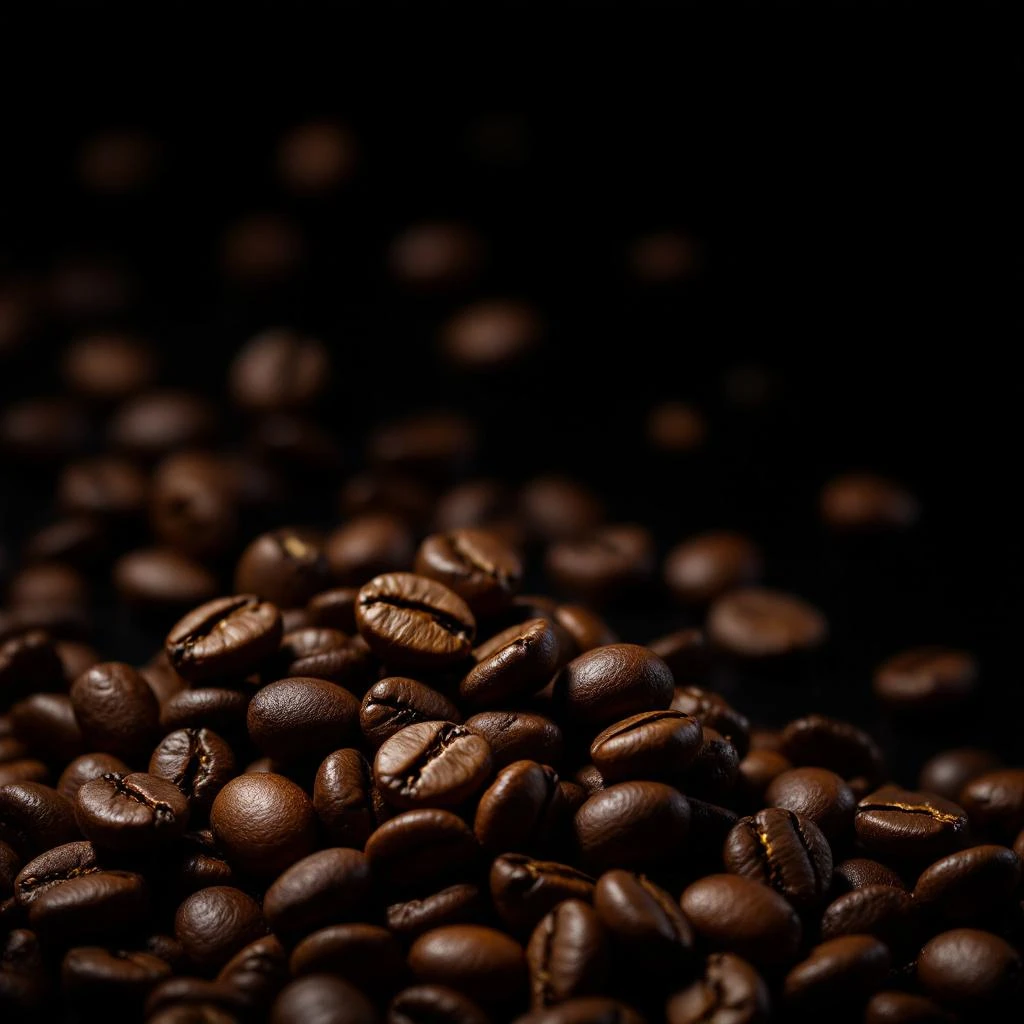
Barley Tea
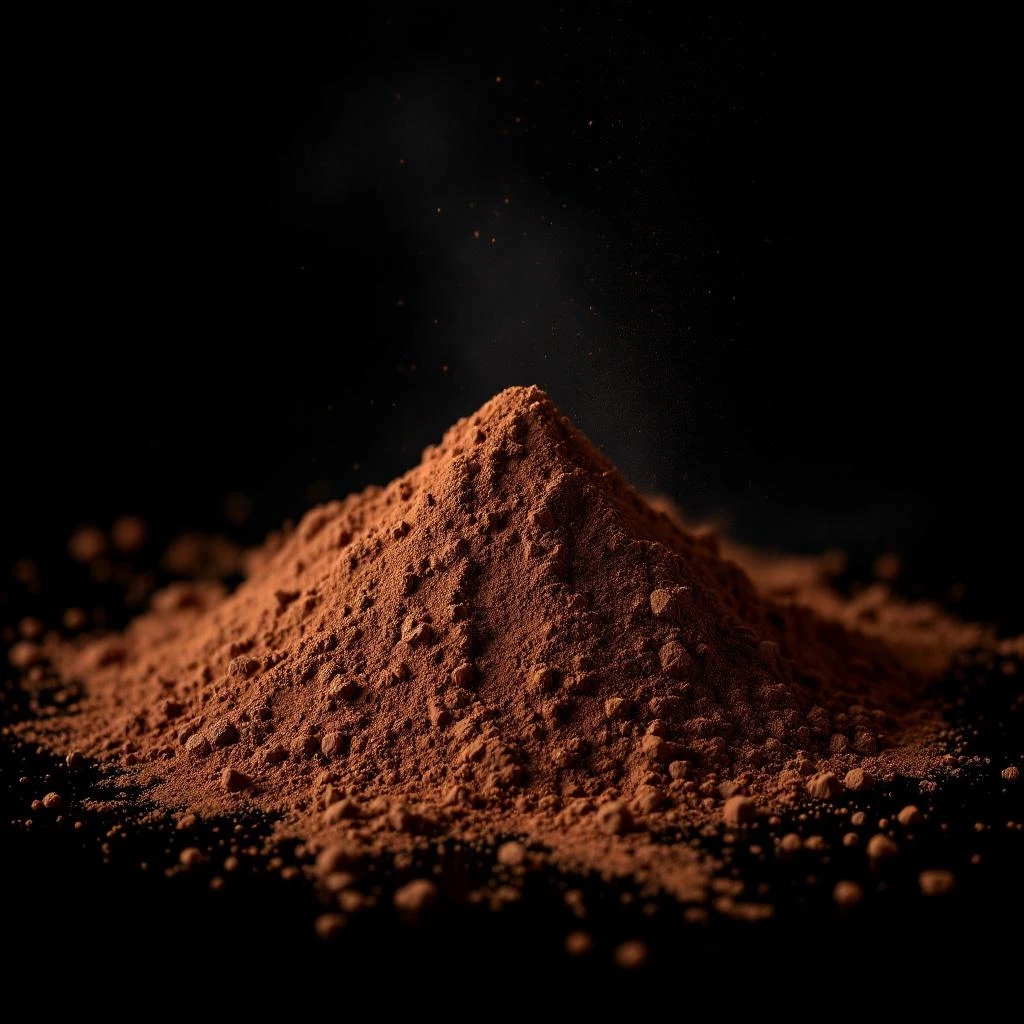
Roasted barley steeped in water releases a warm, toasted grain aroma with subtle nutty sweetness. Mugicha, or barley tea, captures this comforting scent, a quiet ritual of East Asian summers.

Character
How it smells
Toasted grain comfort in every steep.
In Japan, mugicha is the most popular cold beverage of summer, outselling both green tea and soda in July.




Origin
Japan
Barley ranks among humanity's oldest cultivated grains, with archaeological evidence of its use in Mesopotamia dating back roughly 10,000 years. Roasted barley tea, however, is a more recent invention, rooted in East Asian culinary tradition. The earliest documented references to mugicha appear in Japanese texts from the Heian period (794 to 1185 CE), where roasted barley grains were steeped in hot water as a medicinal drink believed to aid digestion and cool the body.
By the Edo period (1603 to 1868), it had become a daily household staple, sold by street vendors in Kyoto and Edo (modern Tokyo). In Korea, bori-cha has a parallel history, with roasted barley tea served across all social classes. The fragrance connection came later.
As perfumery began exploring gourmand and beverage-inspired accords in the late 20th century, barley tea entered the perfumer's palette through Japanese niche houses seeking to bottle the scent of summer afternoons. Today, it appears in both artisanal and mainstream compositions, often paired with green tea, rice, or yuzu to evoke quiet moments of refreshment.
Wears it best
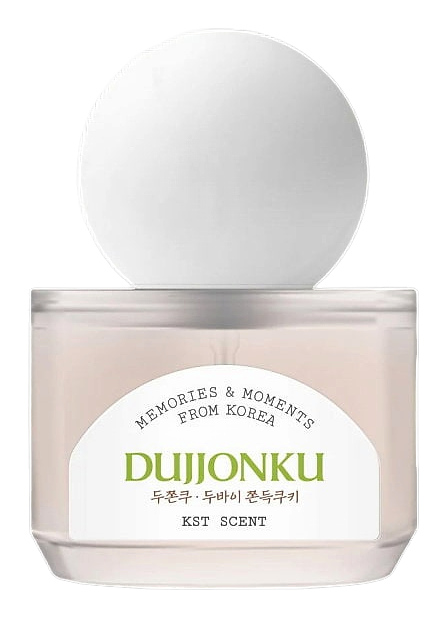
Fragrances featuring Barley Tea
Brands
Brands known for Barley Tea
Good to know
Questions, answered
The essentials on Barley Tea in perfumery: how it smells, where it comes from, and how it behaves on skin.
What does barley tea smell like in perfume?
Barley tea gives off a warm, roasted grain aroma with nutty, breadlike sweetness and faint hay undertones. It reads as toasted and comforting rather than green or floral, similar to the scent of fresh-baked brown bread or toasted rice.
Is barley tea a natural or synthetic note in perfumery?
Most barley tea notes are natural, derived from steam distillation or CO2 extraction of roasted Hordeum vulgare grains. Some compositions reinforce the aroma with nature-identical molecules like 2-acetylpyrazine, which mimics the toasted pyrazine character.
Where does barley tea originate culturally?
Barley tea has deep roots in East Asia. The drink appears in Japanese texts from the Heian period (794 to 1185 CE), and Korea's bori-cha tradition runs in parallel. It became a household staple in Japan during the Edo period.
How is barley tea fragrance extracted?
Roasted barley grains undergo steam distillation to yield a pale essential oil rich in pyrazines. Perfumers also use ethanol tinctures of crushed roasted grains, which capture both volatile aromatics and the drink's characteristic toasted warmth.
What fragrances pair well with barley tea?
Barley tea harmonizes with green tea, roasted rice, yuzu, hinoki cypress, and soft musks. These pairings evoke Japanese summer rituals. Floral notes like sakura or chamomile can lift the grainy warmth without overpowering it.
Is barley tea caffeine-free?
Yes, the beverage is naturally caffeine-free since it is brewed from roasted grain, not tea leaves. In perfumery, this matters less than the scent profile, but it explains why barley tea appeals to those avoiding stimulants.
What is the difference between mugicha and regular tea?
Mugicha is brewed from roasted barley grains, not Camellia sinensis leaves. It lacks the catechin bitterness of green or black tea and instead offers a mild, toasted, almost coffee-like character with sweet grain notes.
When is barley tea traditionally consumed?
In Japan, mugicha is the most popular cold drink of summer, outselling green tea and soft drinks during July. It is served chilled and believed to cool the body, though it is enjoyed hot in winter as well.