Bagas de Zimbro
Dry, resinous and quietly smoky, juniper berry brings a forest-floor clarity to compositions that value structure over sweetness.
Character
How it smells
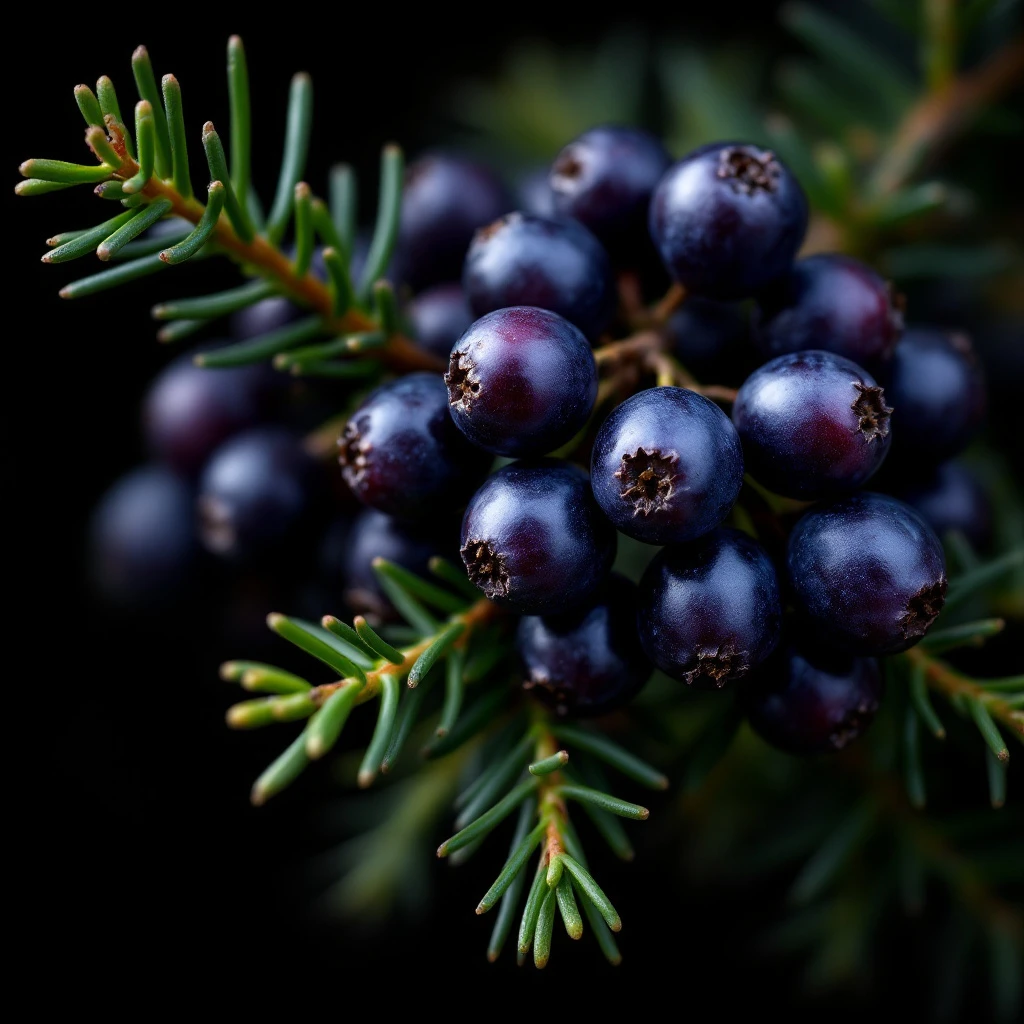
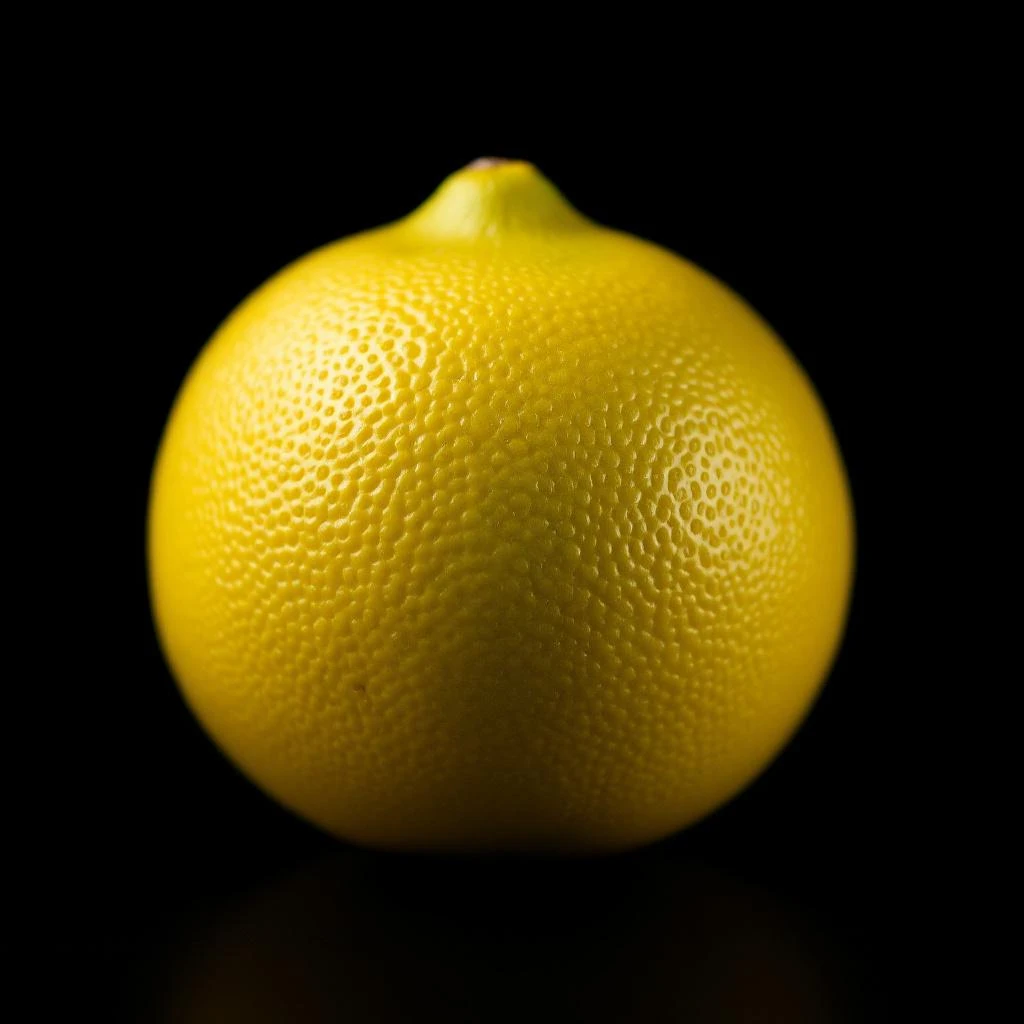
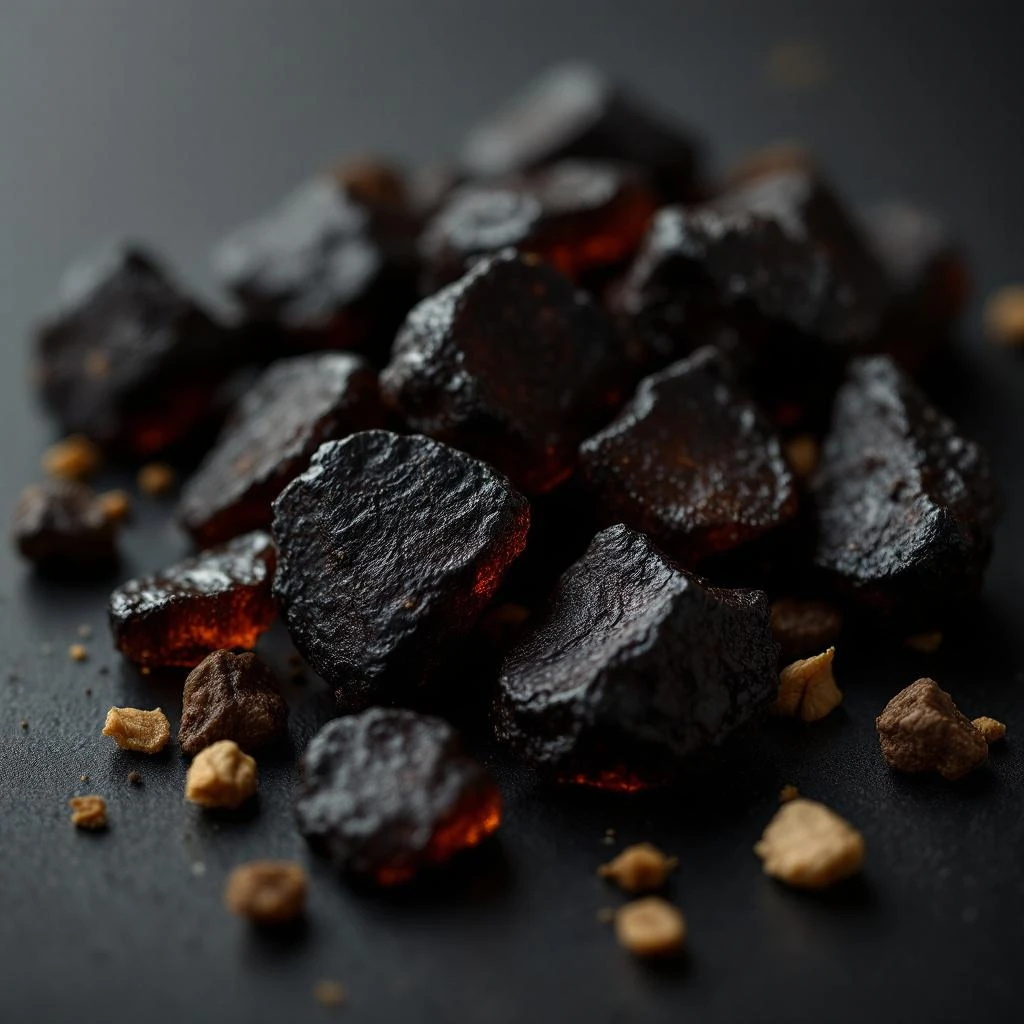
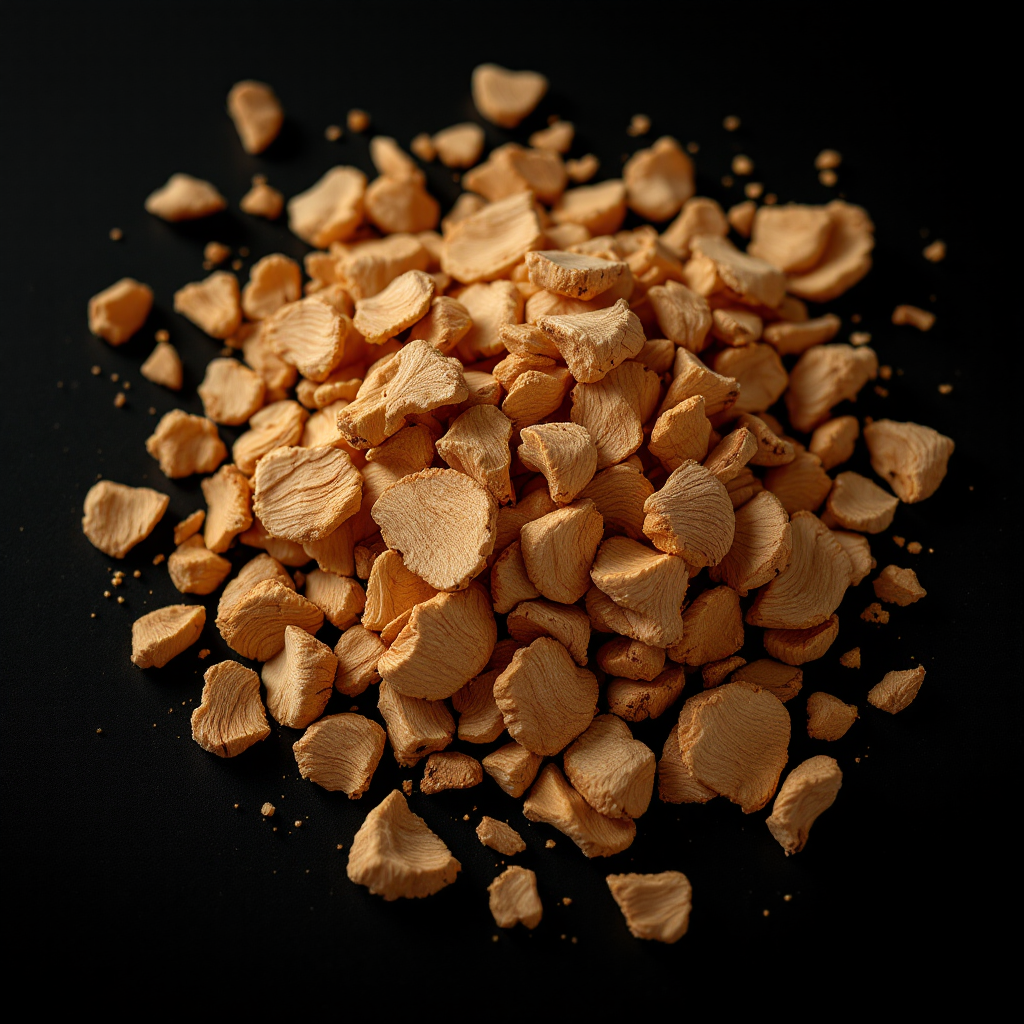
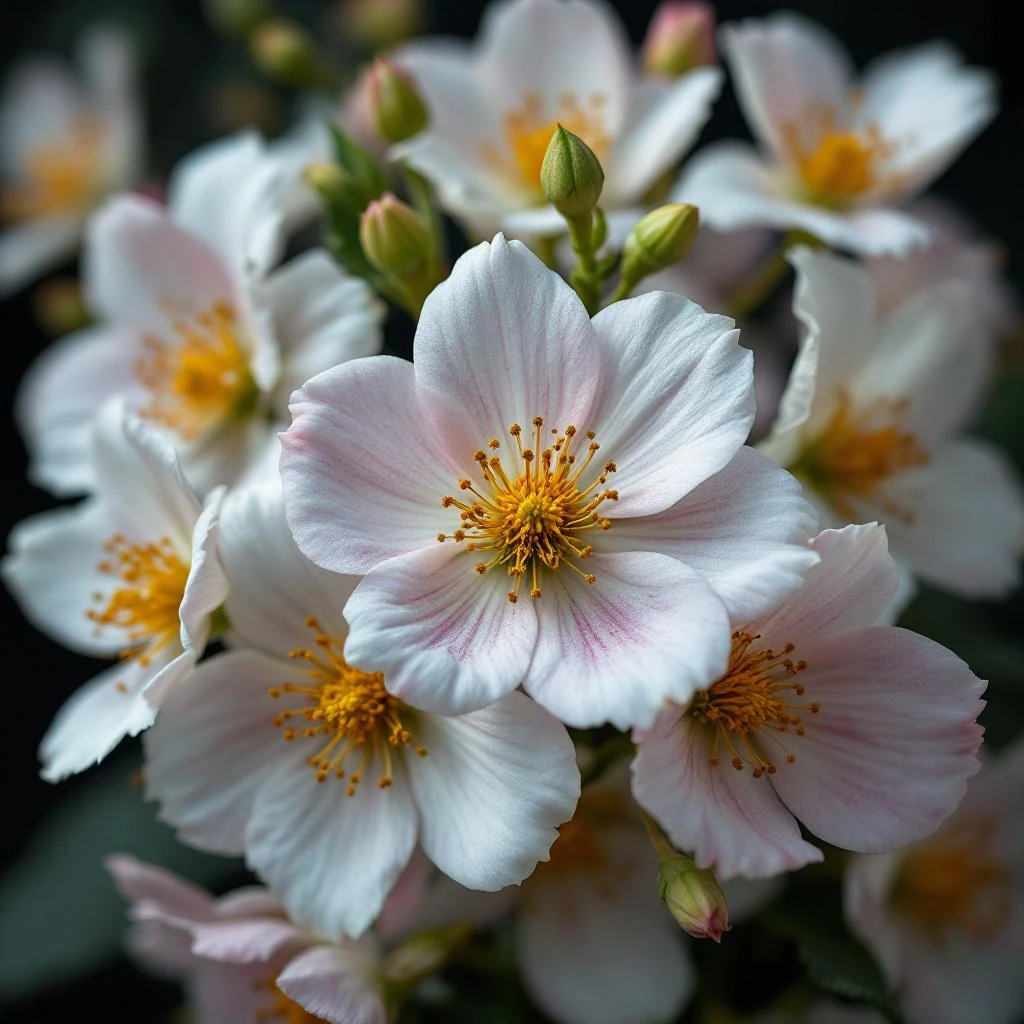
Resinous juniper berries with a dry, woody edge.
Juniper berries share a botanical connection with conifers but are true berries, often called juniper cones for their scaly shape.




Origin
Spain
Juniper has supported human fragrance and preservation practices for centuries. Its berries entered European distillation traditions early, and juniper oil became a familiar component in medicinal and household preparations.
The plant holds a distinctive place in botanical history: it is one of the few conifers whose cones are fleshy berries, a feature that attracted attention from early naturalists. In the trade, the name bagas de zimbro reflects the Spanish and Portuguese word zimbro, used for juniper and closely associated with aromatic berry oils traded from Iberia.
That linguistic trail captures a broader history of juniper in European fragrance culture, from kitchen spice to distilled essential oil. Today, the note appears in both classic cologne structures and modern woody compositions, valued less for ornament than for the crisp, balancing quality it brings to aromatic blends.
Wears it best
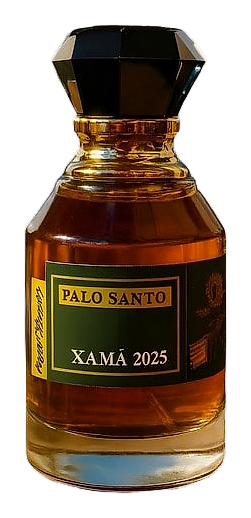
Fragrances featuring Bagas de Zimbro
Brands
Brands known for Bagas de Zimbro
Good to know
Questions, answered
The essentials on Bagas de Zimbro in perfumery: how it smells, where it comes from, and how it behaves on skin.
What does juniper berry smell like in perfume?
Juniper berry reads as dry, resinous and lightly smoky, with a sharp peppery opening that settles into a clean woody base. It often suggests coniferous greenery and a faint balsamic warmth.
Is juniper berry a natural or synthetic fragrance note?
Juniper berry can be both. Natural juniper oil is steam-distilled from dried berries, while synthetic juniper berry accords are also used to reproduce the note with consistent strength and stability.
How is juniper berry essential oil extracted?
Juniper berry oil is typically obtained by steam distillation of dried ripe berries. Gentle crushing may improve yield, and the pale oil carries a fresh, aromatic, slightly balsamic character.
Does juniper berry work in unisex fragrances?
Yes. Its dry woody profile sits comfortably across gendered scent conventions. Juniper pairs naturally with cypress, vetiver, black tea, incense and aromatic woods.
What is the difference between juniper berry and pine oil?
Juniper berry is fruitier and more resinous, with a peppery edge, while pine oil emphasizes needles, woods and a cooler evergreen quality. Both can create coniferous depth in a composition.
Can juniper berry cause skin irritation?
As a component of fragrance mixtures, juniper-related compounds may contribute to sensitivity in some wearers. Diluted juniper berry oil can also irritate skin when used improperly, so proper dilution and patch testing matter.
Why does juniper appear in many traditional cologne formulas?
Juniper contributes a crisp aromatic freshness that suits the early stages of traditional cologne structures. Its dry quality also helps balance richer citrus, herbal and woody notes.
What does zimbro mean in the context of perfumery?
Zimbro is the Spanish and Portuguese name for juniper. Bagas de zimbro therefore refers to juniper berries, the fruit used to produce the aromatic oil used in fragrance compositions.