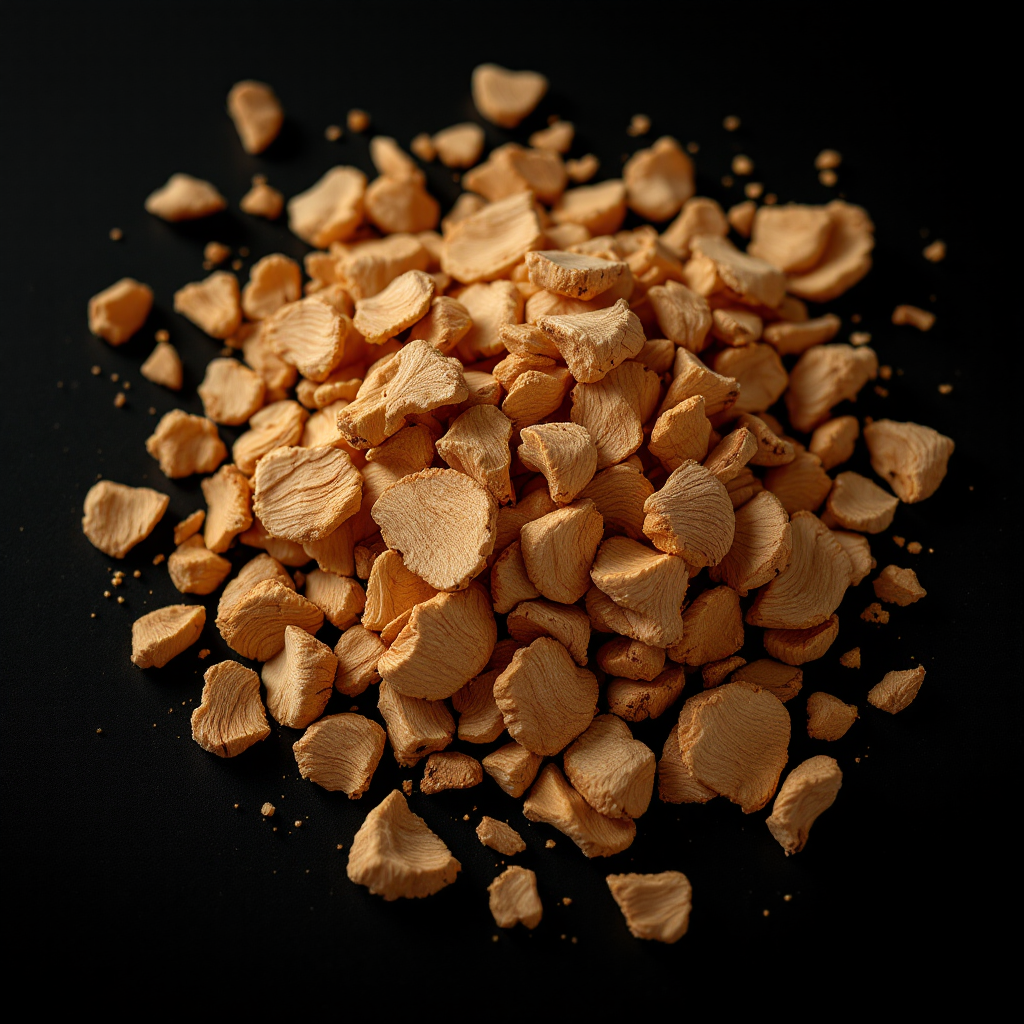
Aspen
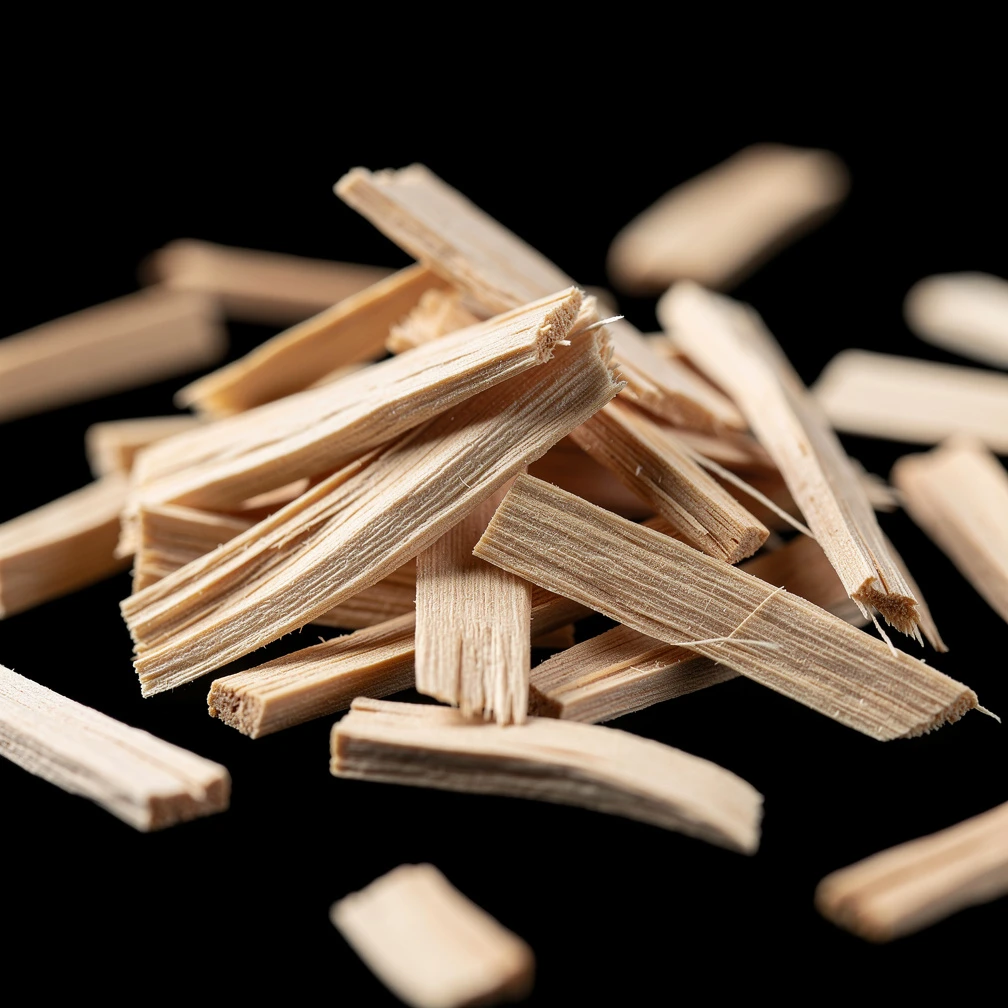
Aspen in perfumery is a modern fantasy wood accord, not a standard extract from aspen trees. Its dry, softly smoky character is built with aromatic molecules such as Iso E Super.
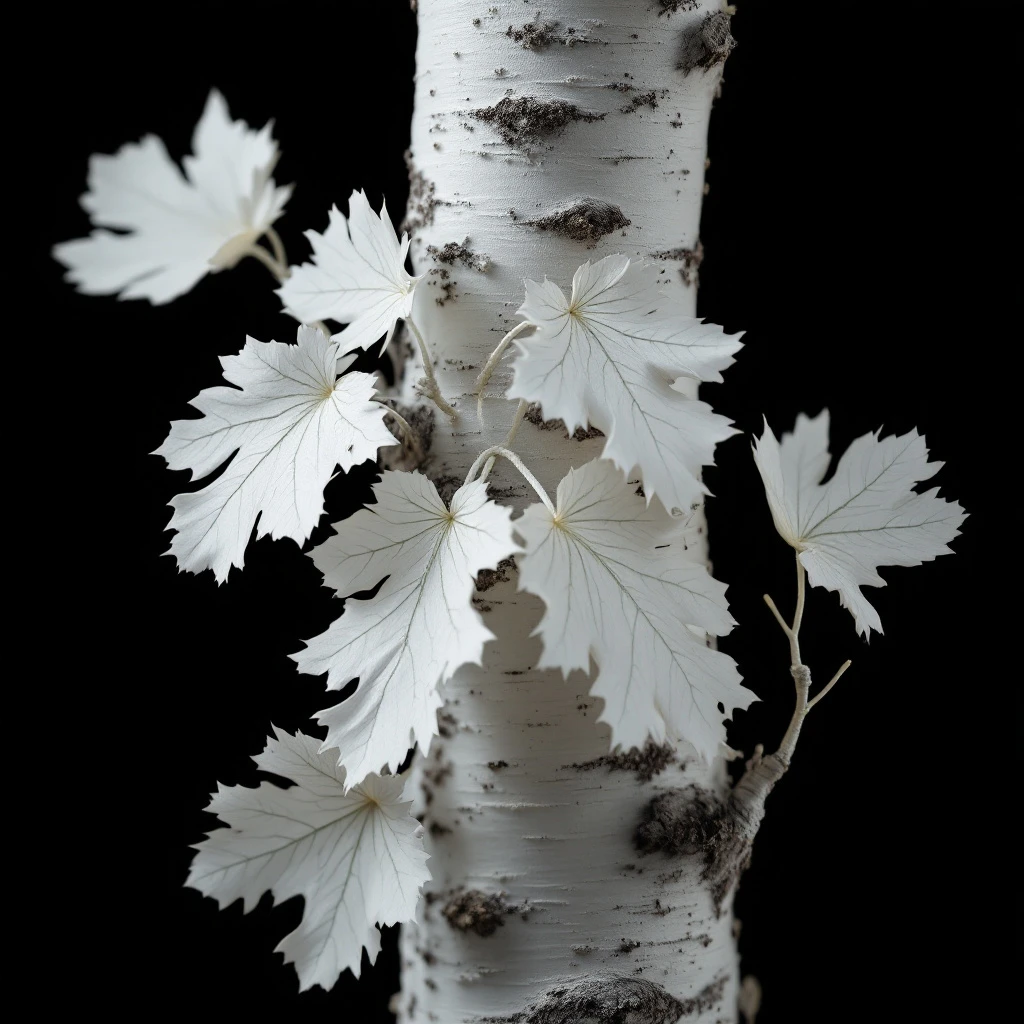
Character
How it smells
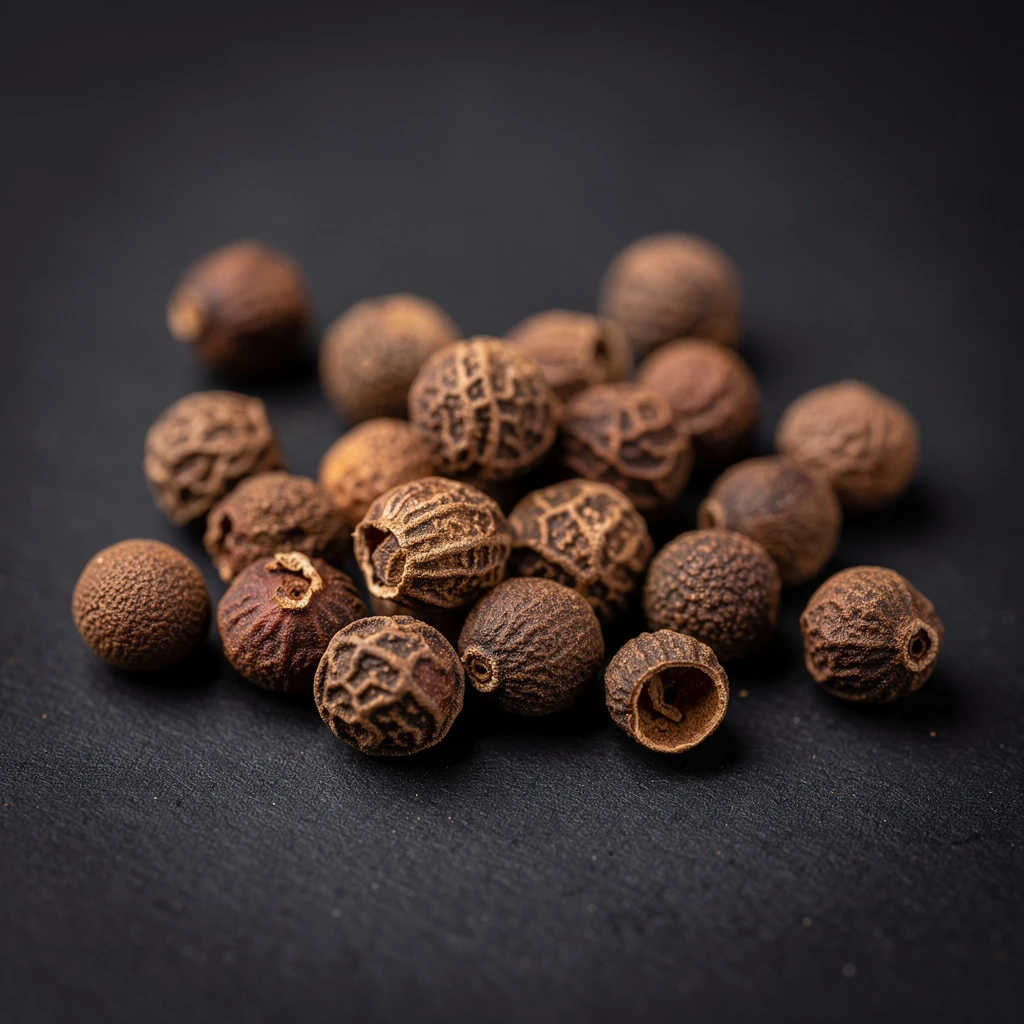
A dry, smoky fantasy wood with a cool forest edge.
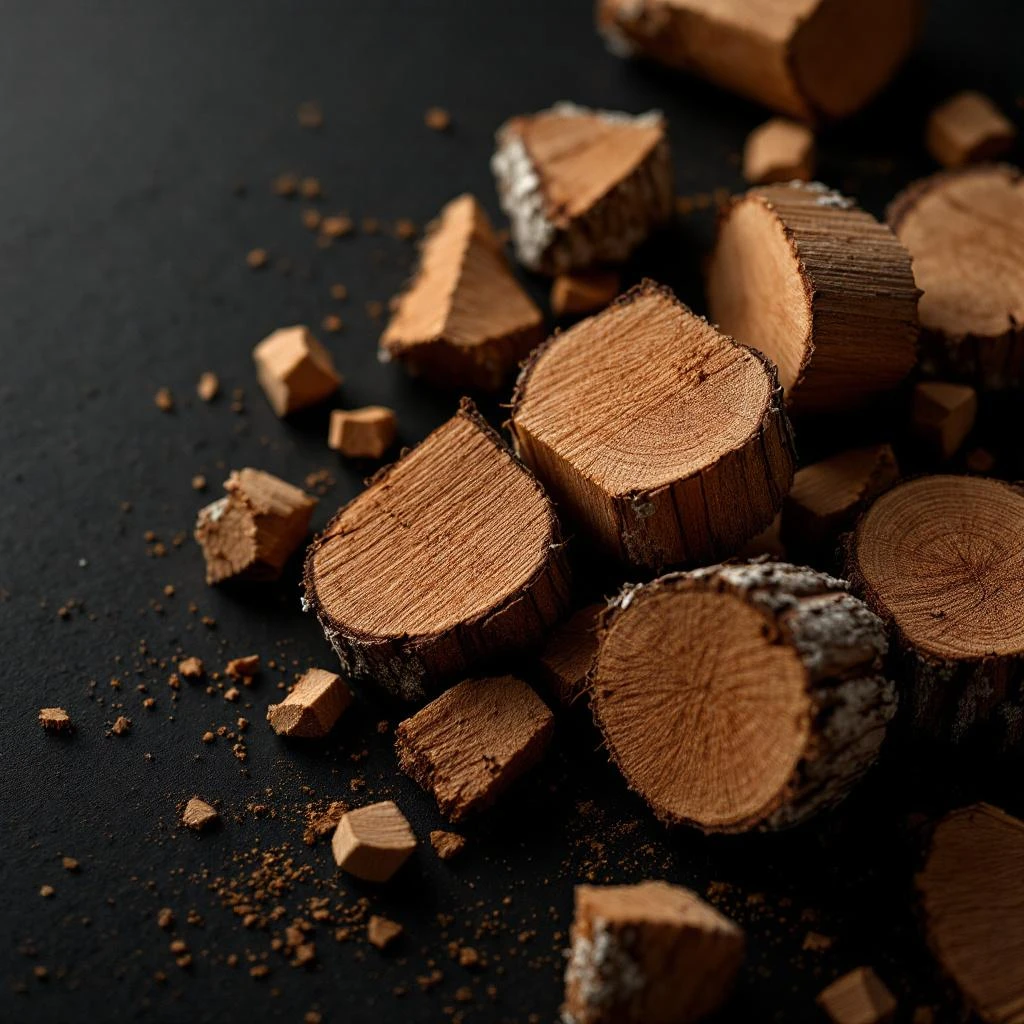
Aspen bark contains salicin, a compound related to the historical origin of aspirin, though it does not define the perfume accord.
Origin
United States
The name aspen carries associations with pale bark, northern forests, and the clean scent of cool air. Those qualities entered fragrance culture through naming conventions, including Aspen For Men, launched by Quintessence in Chicago in 1989. Commercial perfumery has long used plant names to describe composed olfactory ideas, especially when a single plant does not provide a practical extract.
Aspen belongs to this category. Its bark contains salicin, the salicylic-acid derivative associated with the history of aspirin, but this fact is botanical context rather than a perfumery technique. Modern aspen effects are therefore deliberately crafted from aromatic chemicals and familiar wood materials.
The result reflects the cultural image of the tree more than a literal rendering of aspen bark.
Wears it best
Fragrances featuring Aspen
Brands
Brands known for Aspen
Good to know
Questions, answered
The essentials on Aspen in perfumery: how it smells, where it comes from, and how it behaves on skin.
Is aspen a natural ingredient in most perfumes?
No, aspen is usually a composed wood effect rather than a standard natural extract. Perfumers often build it with Iso E Super and other woody or aromatic materials.
What does aspen smell like in perfumery?
It commonly reads as dry, pale, and gently smoky with a cool mineral edge. Formula choices determine whether the result feels clean, earthy, or resinous.
Does aspirin come from aspen bark?
Aspen bark contains salicin, a close chemical relative of salicylic acid and a historical aspirin precursor. Salicin itself is not normally the defining material in an aspen perfume accord.
How is an aspen fragrance accord made?
The accord is mixed from aromatic chemicals rather than distilled as a single aspen ingredient. Iso E Super often forms the dry wood structure, with supporting woods, musks, or lactones adding detail.
Which part of the aspen tree is used in perfumery?
Aspen generally refers to a bark-inspired olfactory concept, not a routinely used botanical part. There is no widely established commercial aspen extract comparable to cedarwood or vetiver oil.
Where does aspen naturally grow?
Aspen trees occur across much of the Northern Hemisphere, including North America and Europe. Quaking aspen is native to the United States and is especially widespread across the central and western regions.
Is aspen the same as birch in perfumery?
No, although both produce pale, light woods. Birch has established extracts and a recognizable sweet-tar character, while aspen is usually treated as a modern fantasy wood.
When did aspen become prominent in fragrance naming?
Aspen For Men, launched by Quintessence in Chicago in 1989, helped establish the name in mainstream fragrance culture. The scent itself relies on modern composed materials rather than an aspen tree extract.