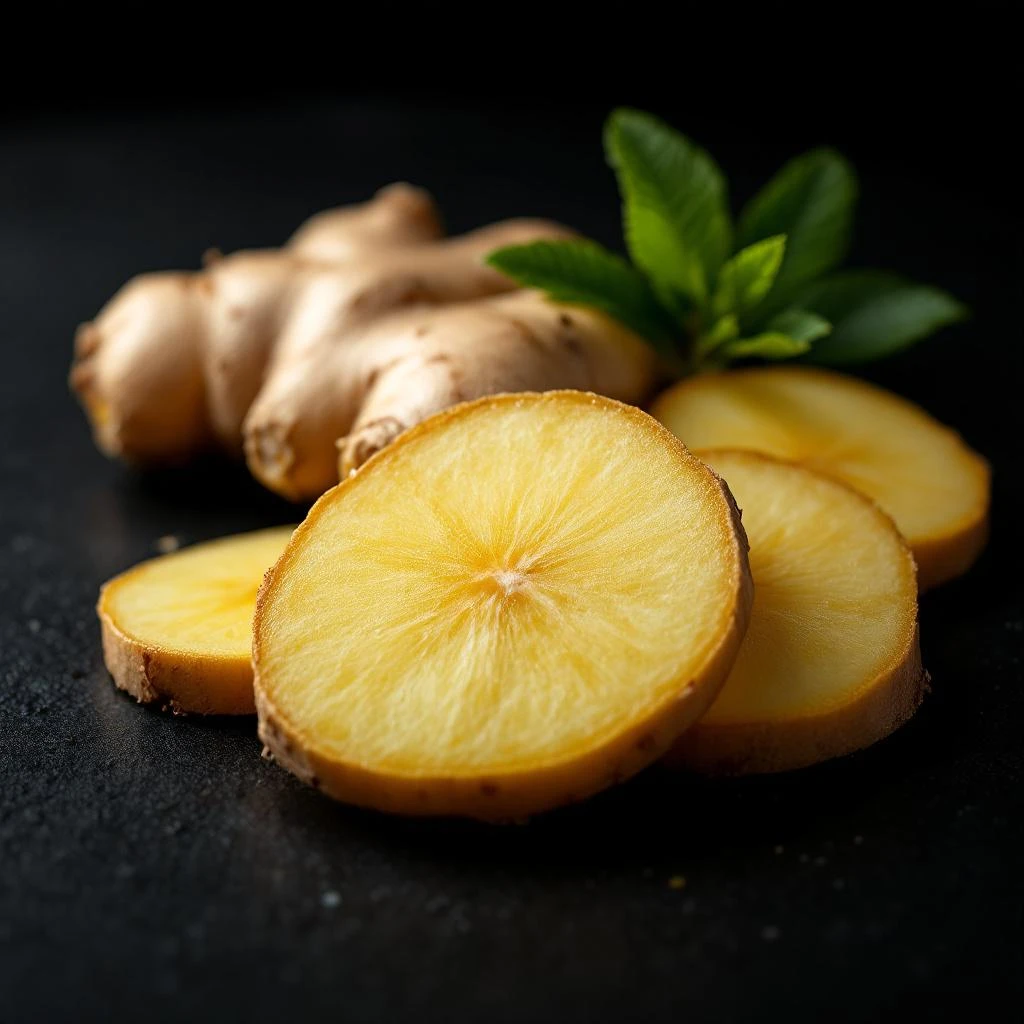
White Ginger
White ginger delivers a clean, softly spiced warmth that bridges the gap between fresh and exotic. Extracted from the peeled rhizome of Zingiber officinale, it offers a gentler alternative to its darker counterpart while retaining ginger's characteristic brightness.
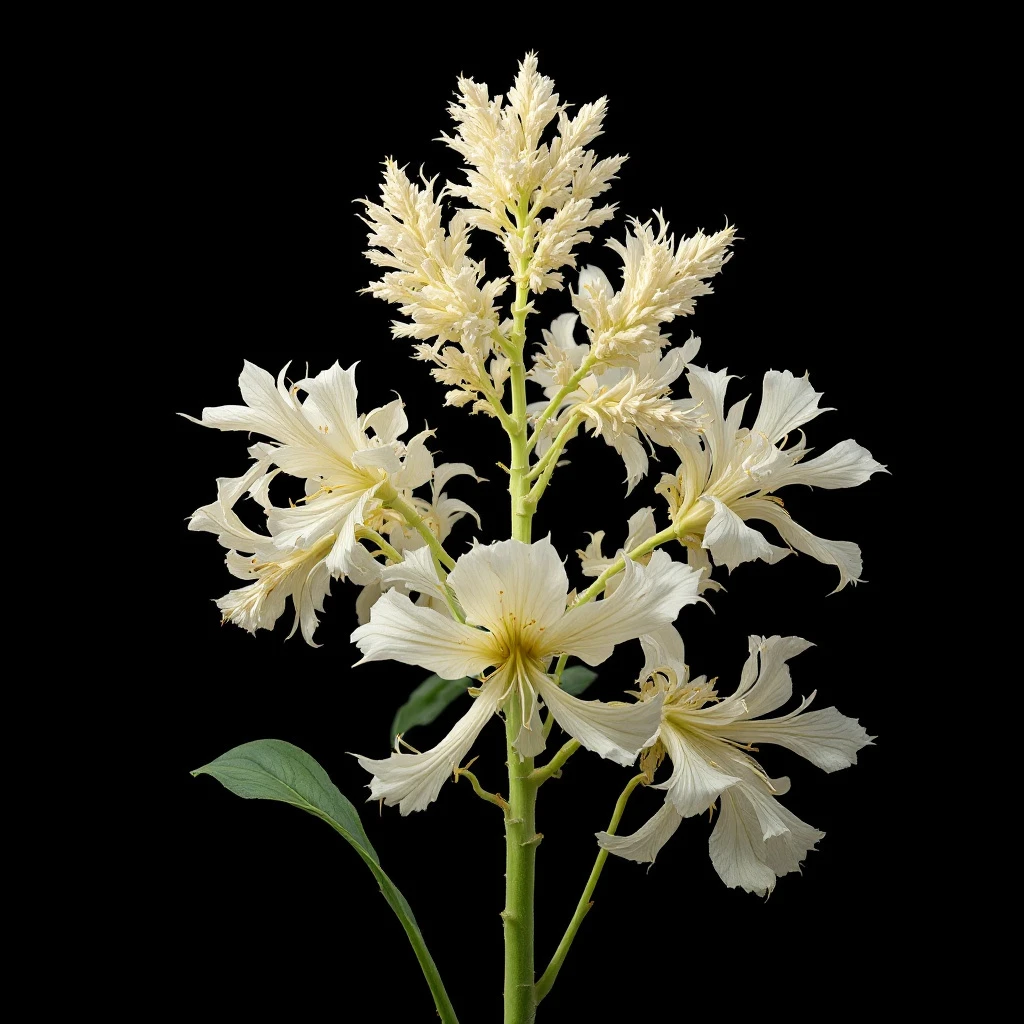
Character
How it smells
Soft spice, warm glow.
Ginger root isn't actually a root. It's a rhizome, a horizontal underground stem that sends up shoots and roots from its nodes.




Origin
India
Ginger has traveled across continents for over 5,000 years. Ancient Sanskrit texts from India mention ginger around 3000 BCE, crediting it with medicinal properties. Chinese traders carried it along the Silk Road, while Arab merchants introduced it to the Mediterranean.
The Romans valued ginger as a luxury spice, importing it from Arabia. By medieval Europe, physicians prescribed ginger for digestive ailments and the plague. Perfumery applications emerged when distillation knowledge advanced several hundred years ago.
The distinction between white and black ginger in perfumery relates to processing: white ginger is peeled and cleaned before distillation, producing a lighter, more refined oil. Today, perfumers favor white ginger in modern compositions for its versatile, approachable warmth.
Wears it best
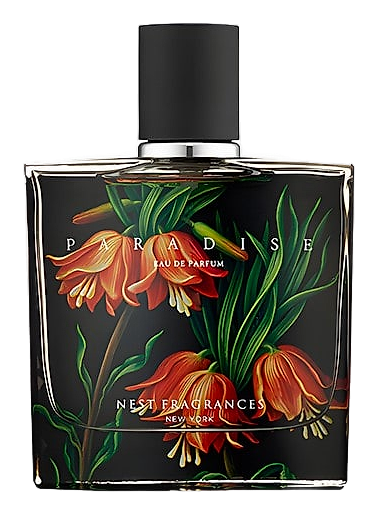
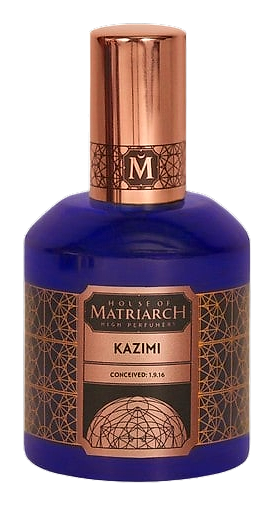
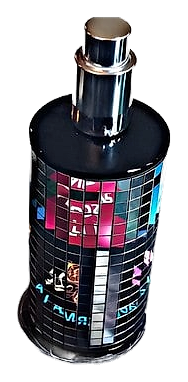
Fragrances featuring White Ginger
Brands
Brands known for White Ginger
Good to know
Questions, answered
The essentials on White Ginger in perfumery: how it smells, where it comes from, and how it behaves on skin.
What is white ginger in perfumery?
White ginger refers to the peeled rhizome of Zingiber officinale. Perfumers use it for its milder, more refined spice compared to unpeeled ginger. The peeling process removes the dark outer layer, yielding an oil with cleaner, sweeter aromatic qualities.
How does white ginger smell?
White ginger offers warm, spicy character with citrus and floral undertones. It smells softer and rounder than raw ginger, bringing brightness without sharpness. The aroma reads as fresh, slightly sweet, and inviting.
Where does white ginger originate?
Southeast Asia holds the origin, specifically India and China, where cultivation began over 5,000 years ago. Today, India, China, and Nigeria lead global production. The tropical climate produces rhizomes with high oleoresin content.
How do perfumers extract white ginger oil?
Steam distillation pulls essential oil from fresh or dried rhizomes over 6-8 hours. The peeled rhizomes go into a still where pressurized steam releases volatile compounds. Temperature control during extraction preserves delicate aromatic molecules.
Is white ginger natural or synthetic?
Natural white ginger oil comes from steam-distilled Zingiber officinale rhizomes. Synthetic ginger compounds exist for cost and consistency, but natural extraction remains standard in fine perfumery. Quality varies significantly between natural and synthetic sources.
What fragrance families use white ginger?
White ginger appears across fresh fougeres, spicy orientals, and modern ambers. It works as a bridge note between citrus top notes and deeper base notes. Perfumers value it for adding warmth without heaviness.
What notes pair well with white ginger?
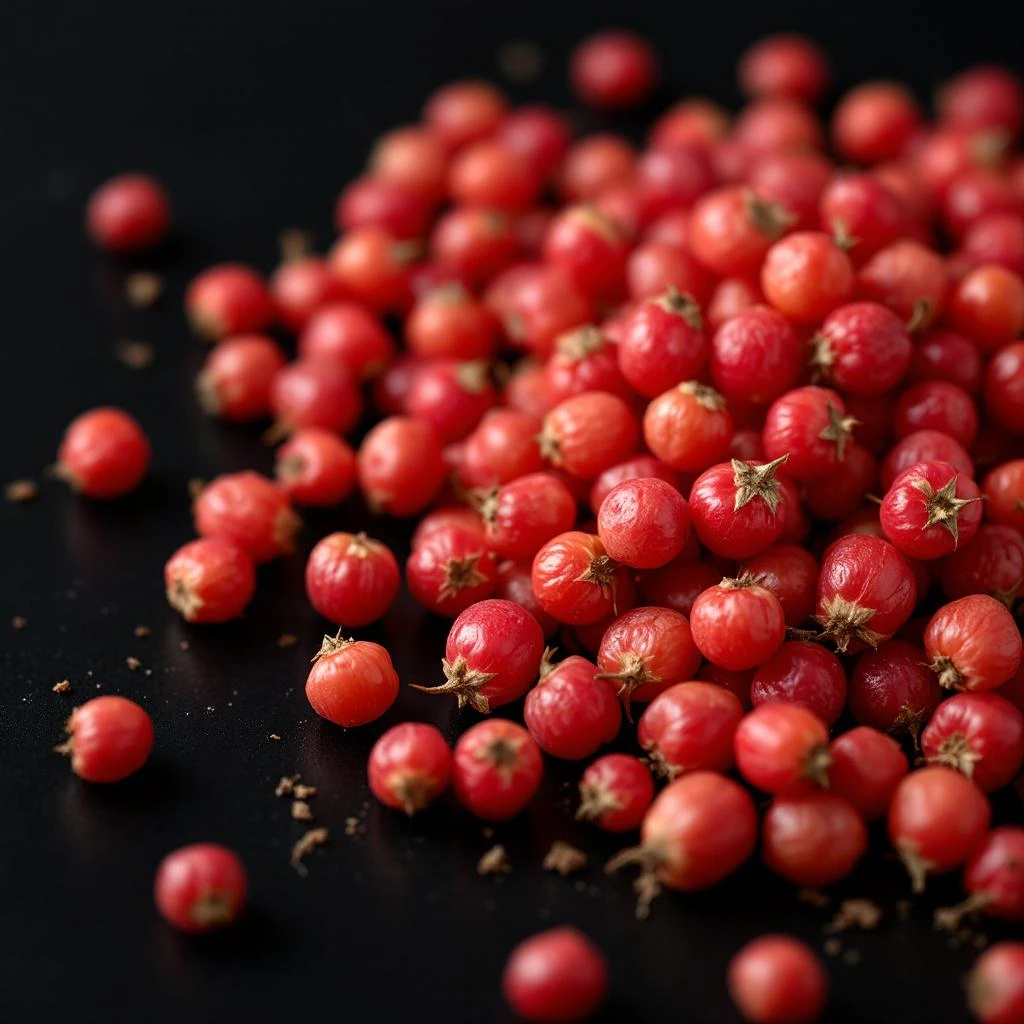
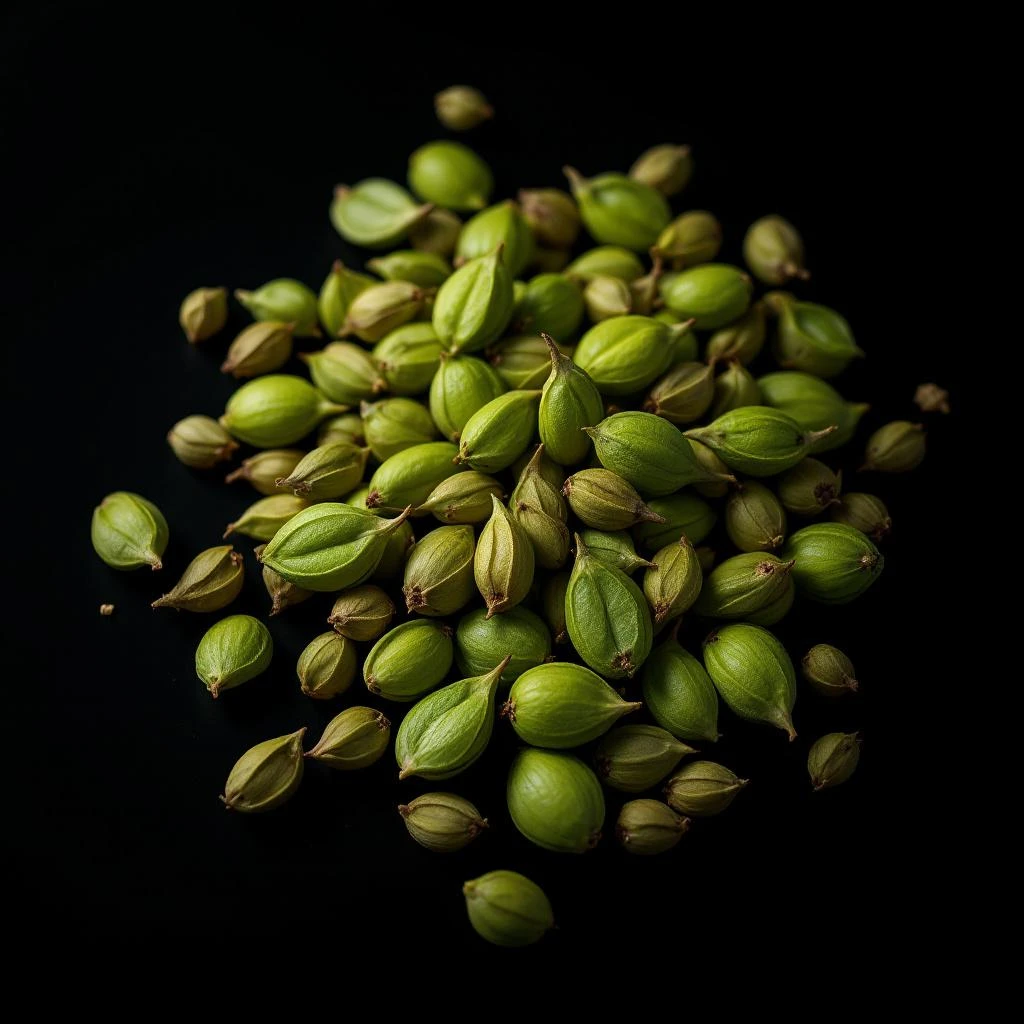
White ginger combines naturally with citrus (bergamot, lemon), florals (jasmine, ylang-ylang), woods (sandalwood, cedar), and spices (cardamom, pink pepper). It rounds sharp edges and adds depth to otherwise light compositions.
Is white ginger safe for skin use?
White ginger oil shows good skin tolerance when properly diluted. IFRA guidelines recommend maximum concentrations of 1-3% in finished products. Those with spice sensitivities should patch test before wearing.