Armenian Brandy
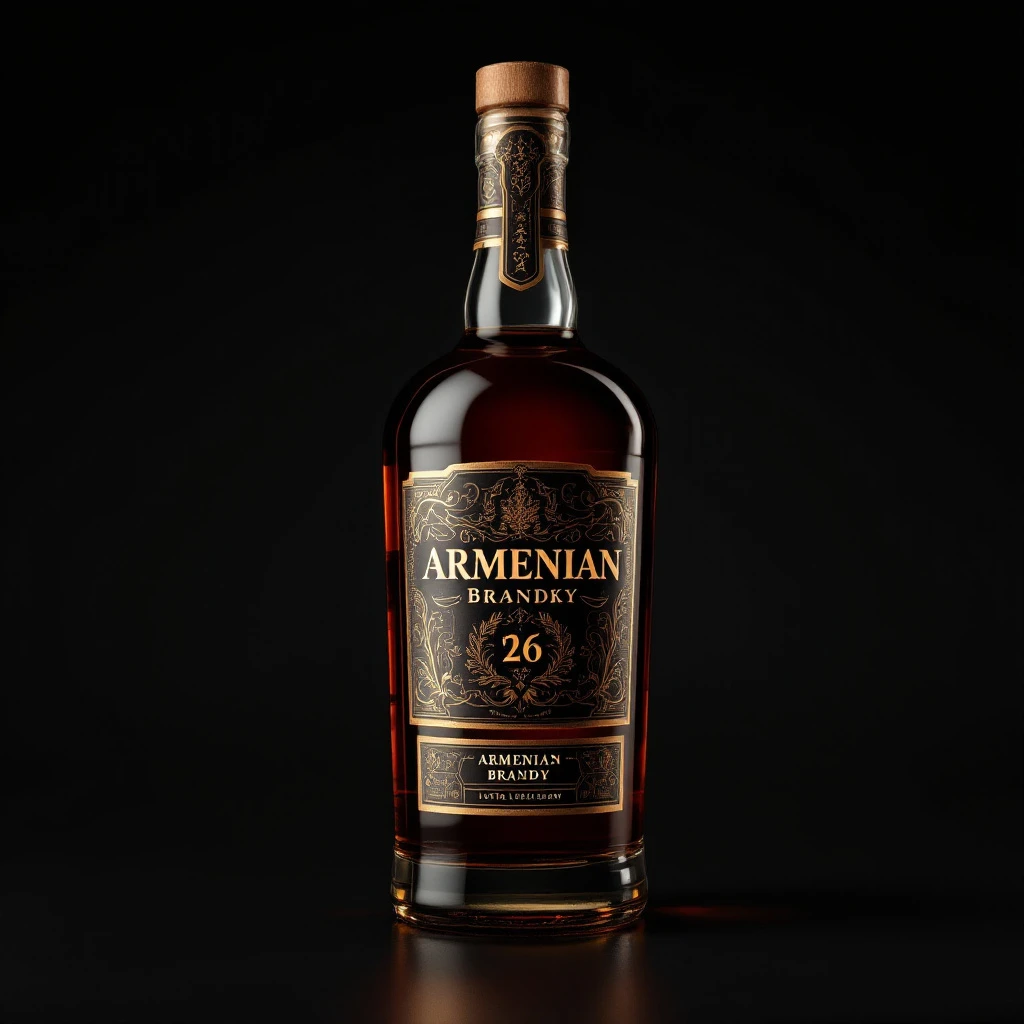
Armenian brandy carries the warmth of aged oak and sun-ripened grapes from the Ararat Valley. In perfumery, this rare spirit accord brings deep, fermented sweetness and a vinous richness to oriental and gourmand compositions.
Character
How it smells
Oak-aged warmth from the Ararat Valley
Nerses Tairyan founded Armenia's first brandy factory in 1887, launching what would become one of the Caucasus's most celebrated aged spirits.
Origin
Armenia
Armenians have distilled wine into brandy since the 12th century, making this one of the oldest continuous brandy-producing traditions in the world. The craft began in monastery cellars across the Armenian highlands, where winemakers preserved grape harvests through distillation during harsh winters. The modern industry emerged in 1887 when Nerses Tairyan, trained in distillation techniques abroad, founded the Yerevan Brandy Company in what is now the capital of Armenia.
His enterprise industrialized a process that had remained artisanal for centuries, sourcing grapes from the Ararat Valley, a region with volcanic soil and a continental climate ideal for viticulture. By the early 20th century, Armenian brandy had earned international recognition, reportedly impressing British officials who compared its quality to fine French cognac. The Caucasus region, including Armenia, maintained a distinct brandy culture separate from the cognac appellations of western Europe, aging spirits in local Caucasian oak that lends a characteristic resinous depth.
In contemporary perfumery, the brandy accord draws on this heritage. Fragrance creators reference the warm, oak-aged character of Armenian spirits to add vinous richness to compositions, connecting modern scent design to a distilling tradition spanning nearly nine centuries.
Wears it best
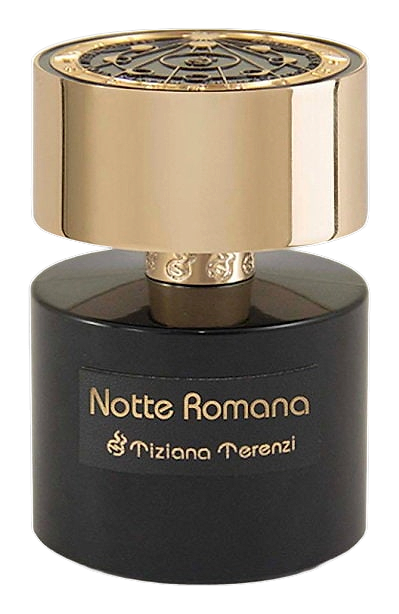
Fragrances featuring Armenian Brandy
Brands
Brands known for Armenian Brandy
Good to know
Questions, answered
The essentials on Armenian Brandy in perfumery: how it smells, where it comes from, and how it behaves on skin.
What does Armenian brandy smell like in perfumery?
Armenian brandy in fragrance presents warm, fermented grape notes layered with toasted oak, dried fruit, and soft vanilla. It adds a boozy sweetness reminiscent of aged spirits without the harshness of pure alcohol.
Is Armenian brandy note made from real brandy?
Not typically. Most perfumers reconstruct the accord using grape-derived fermentative molecules, oak phenolics like vanillin and syringaldehyde, and fruit esters to mimic aged brandy character.
Why is Armenian brandy used in perfumes?
Armenian brandy lends depth and warmth to oriental, gourmand, and spicy compositions. Its oak-aged, slightly sweet profile pairs well with amber, leather, and tobacco accords.
How is Armenian brandy different from cognac in fragrance?
Armenian brandy is aged in Caucasian oak rather than French Limousin oak, giving it a slightly more resinous, earthy character. In perfumery this translates to a deeper, less polished spirit note.
What grape varieties define Armenian brandy?
Armenian law permits 35 grape varieties for brandy production, with white grapes from the Ararat Valley being most prominent. These contribute the bright, fruity top layer of the accord.
When did Armenia begin distilling brandy?
Armenians have distilled wine into brandy since the 12th century, though industrialized production began in 1887 when Nerses Tairyan founded the Yerevan Brandy Company.
What fragrances pair well with Armenian brandy notes?
Warm spices like cinnamon and clove, rich ambers, leather, tobacco, and dried fruit accords complement Armenian brandy exceptionally well in layered compositions.
Is Armenian brandy a natural or synthetic note?
It falls somewhere between. Some perfumers use real brandy tinctures in trace amounts, while most rely on synthetic grape and oak molecules for consistency and safety.