Oleander
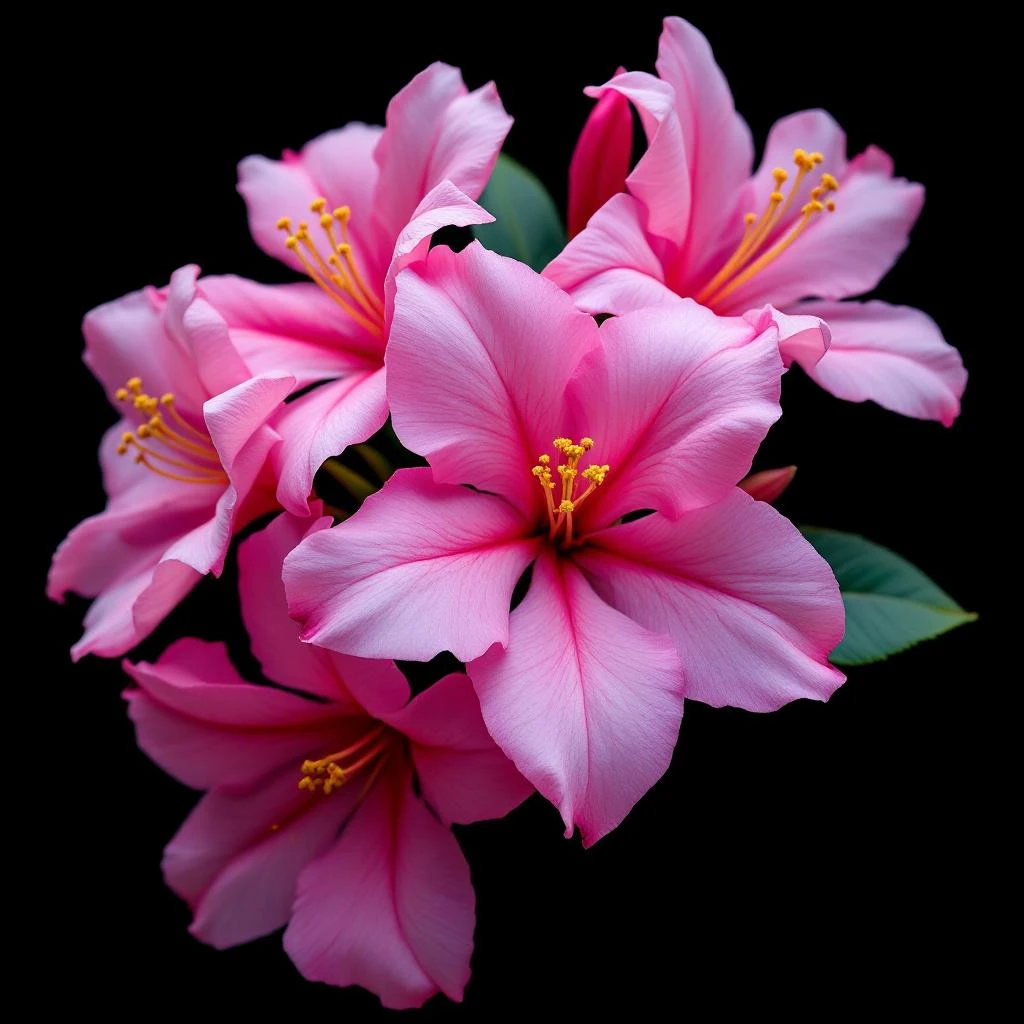
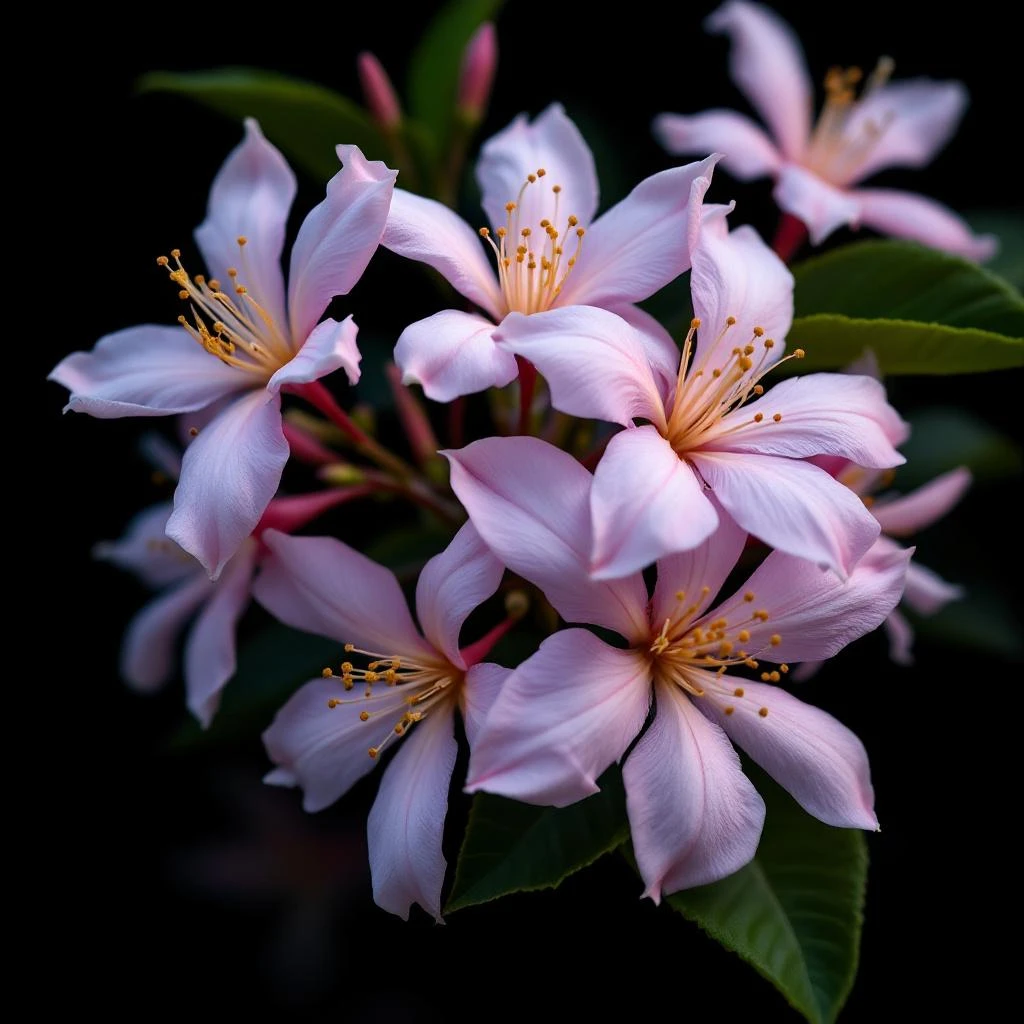
Oleander is a Mediterranean shrub whose waxy pink and white flowers carry a delicate, slightly sweet scent reminiscent of hawthorn and apricot blossom. In perfumery, the fresh blossoms are rarely processed directly; instead, the aroma is typically reconstructed through specialty synthetics.
Character
How it smells
A sun-warmed blossom from the Mediterranean scrub
Every part of the oleander plant is toxic, including the fragrant flowers, which is why perfumers rely on synthetic reconstructions rather than natural extracts.




Origin
Mediterranean Basin
Oleander, Nerium oleander, has been cultivated across the Mediterranean basin since antiquity. The ancient Greeks named it rhododendron, meaning rose tree, and Romans planted it along roads and in courtyards for its long blooming season and drought tolerance. Arab physicians and botanists in the medieval period documented both its ornamental value and its extreme toxicity, an awareness that limited any direct perfumery application.
By the Renaissance, oleander appeared in Italian and Spanish gardens as a status plant, and herbalists referenced its scent in writings on fragrant flora. True extraction for fragrance did not occur historically because of the plant’s cardiac glycoside content. Modern interest in oleander as a perfumery note emerged only in the late 20th century, when synthetic aroma chemistry allowed perfumers to evoke its blossoms safely.
Houses such as Parfums de Marly and several niche brands have since featured reconstructed oleander accords in their compositions.
Wears it best
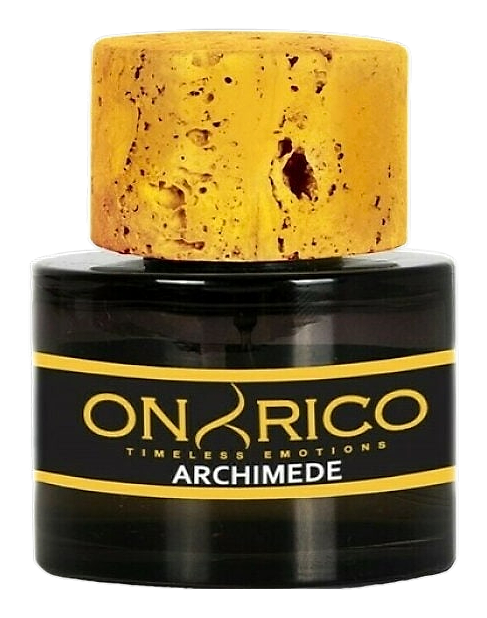
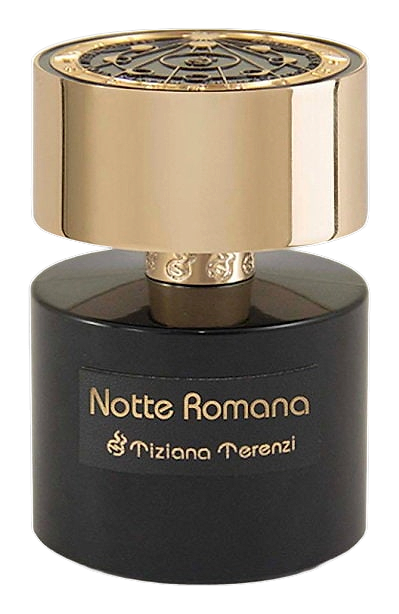
Fragrances featuring Oleander
Brands
Brands known for Oleander
Good to know
Questions, answered
The essentials on Oleander in perfumery: how it smells, where it comes from, and how it behaves on skin.
What does oleander smell like in perfume?
Oleander offers a soft, sweet floral scent with hints of hawthorn, apricot blossom, and a faint green freshness. Most commercial fragrances recreate this profile through synthetic molecules rather than natural oleander extract.
Why is natural oleander not used in perfumery?
Every part of the oleander plant, including its flowers, contains toxic cardiac glycosides. This toxicity makes commercial natural extraction impractical and unsafe for fragrance use.
Where does oleander originally come from?
Oleander is native to the Mediterranean Basin, ranging from Morocco east through Greece and into parts of southern Asia. It thrives in hot, dry climates and has naturalized widely.
How is the oleander scent created in modern perfumes?
Perfumers blend aroma molecules such as linalool, geraniol, and phenylethyl alcohol to imitate oleander’s sweet floral character. This synthetic approach provides safety, consistency, and a stable shelf life.
Is oleander safe to smell?
Smelling a finished fragrance containing synthetic oleander accords is safe. The plant itself should never be ingested or handled carelessly, as all parts are highly poisonous to humans and animals.
What fragrance families feature oleander notes?
Oleander accords appear most often in white floral and Mediterranean-inspired compositions. They pair well with neroli, orange blossom, jasmine, and herbaceous notes like rosemary and sage.
When did oleander first appear in perfumery?
Oleander emerged as a perfumery note in the late 20th century, once synthetic aroma chemistry allowed safe reproduction of its floral scent. Earlier cultures admired the flower but avoided processing it due to its known toxicity.
Can oleander be grown at home for fragrance use?
Oleander grows easily in warm climates and produces abundant flowers, but home extraction is not recommended. The plant’s toxicity makes handling raw material hazardous without proper training and equipment.





