Armagnac
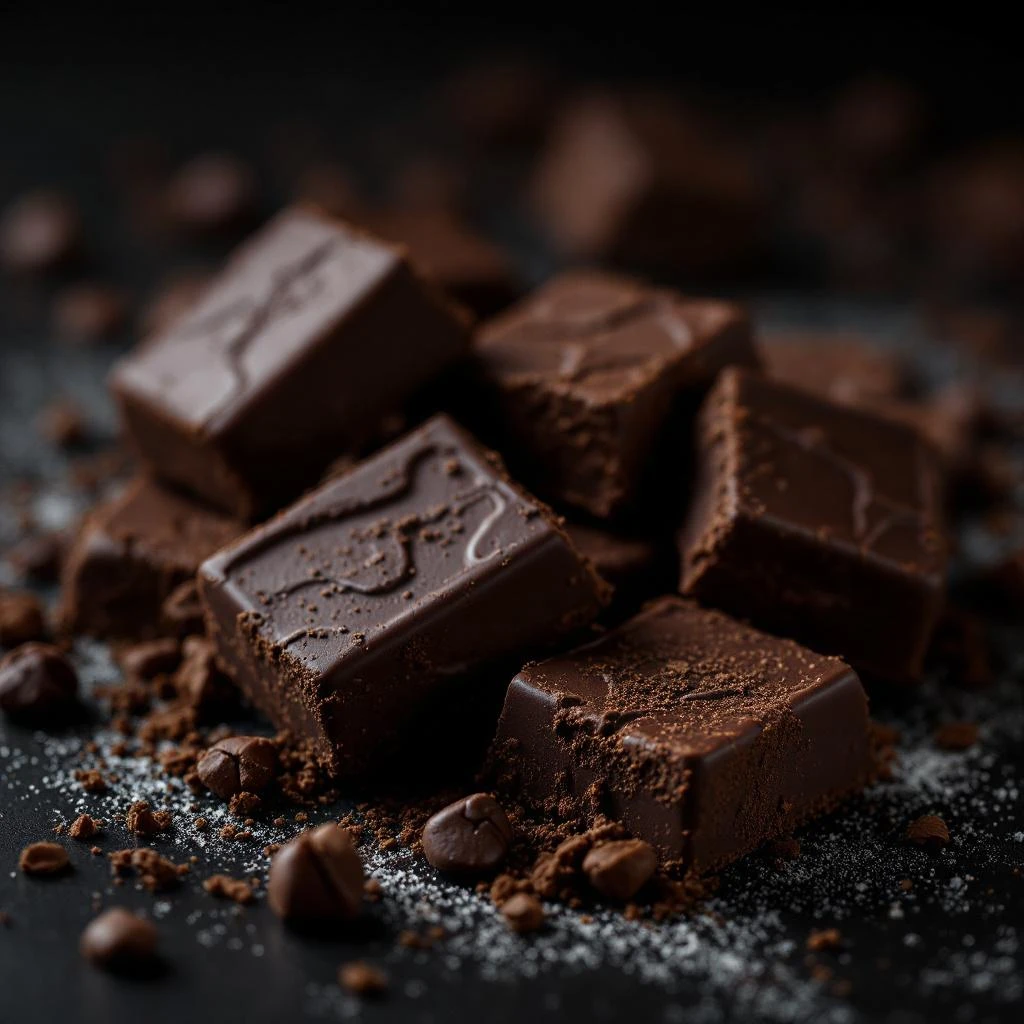
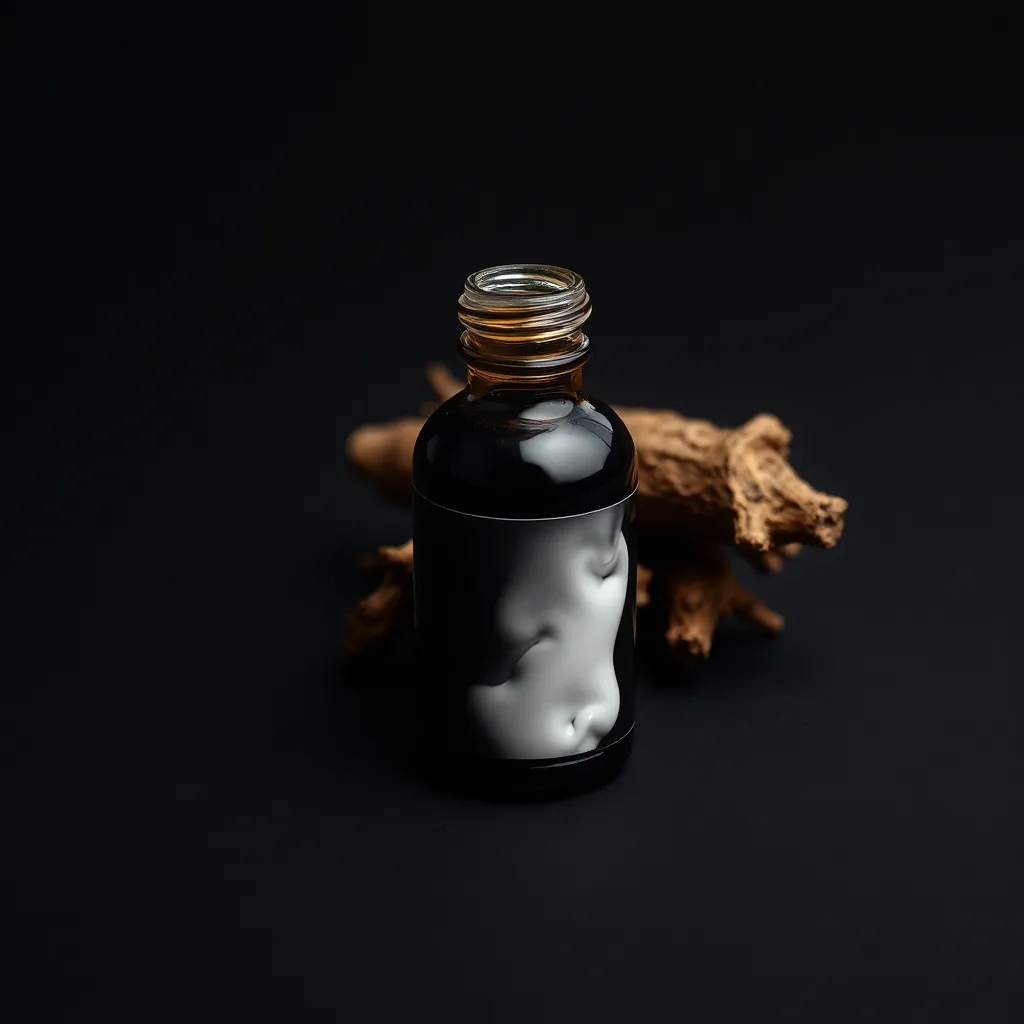
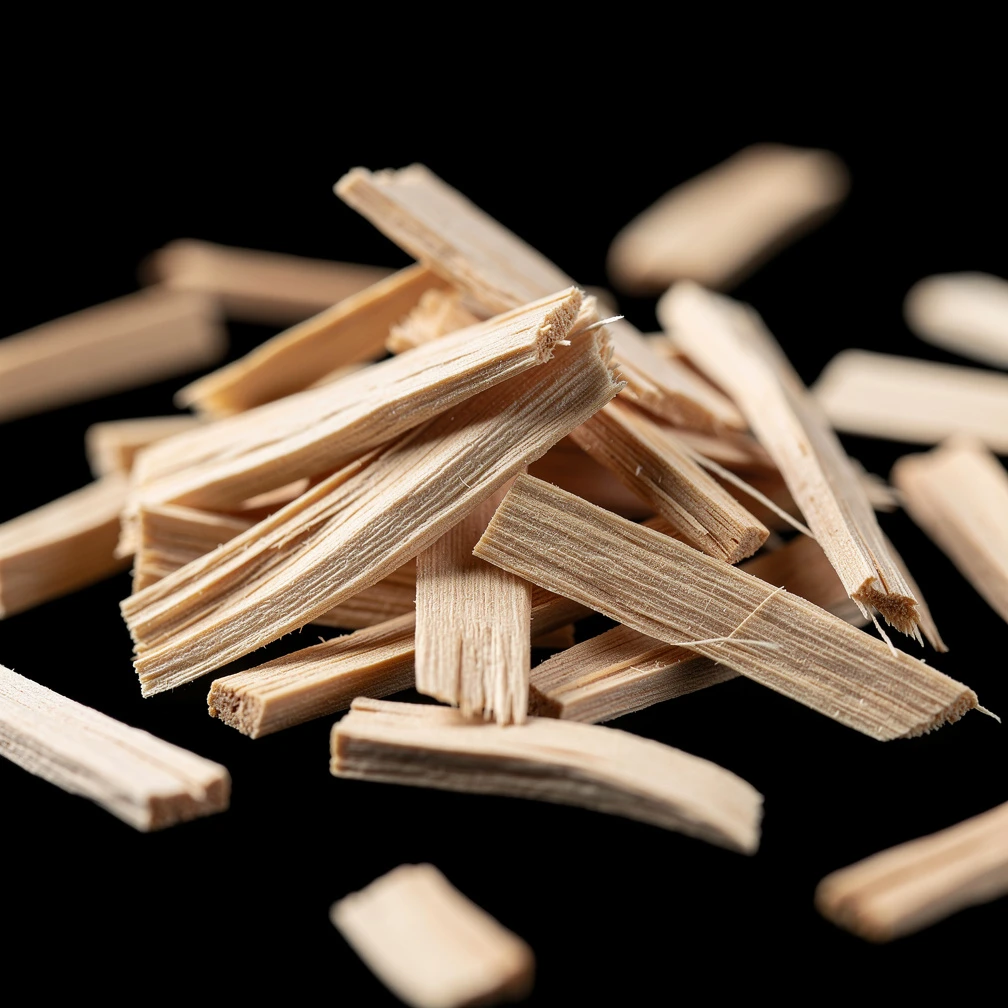
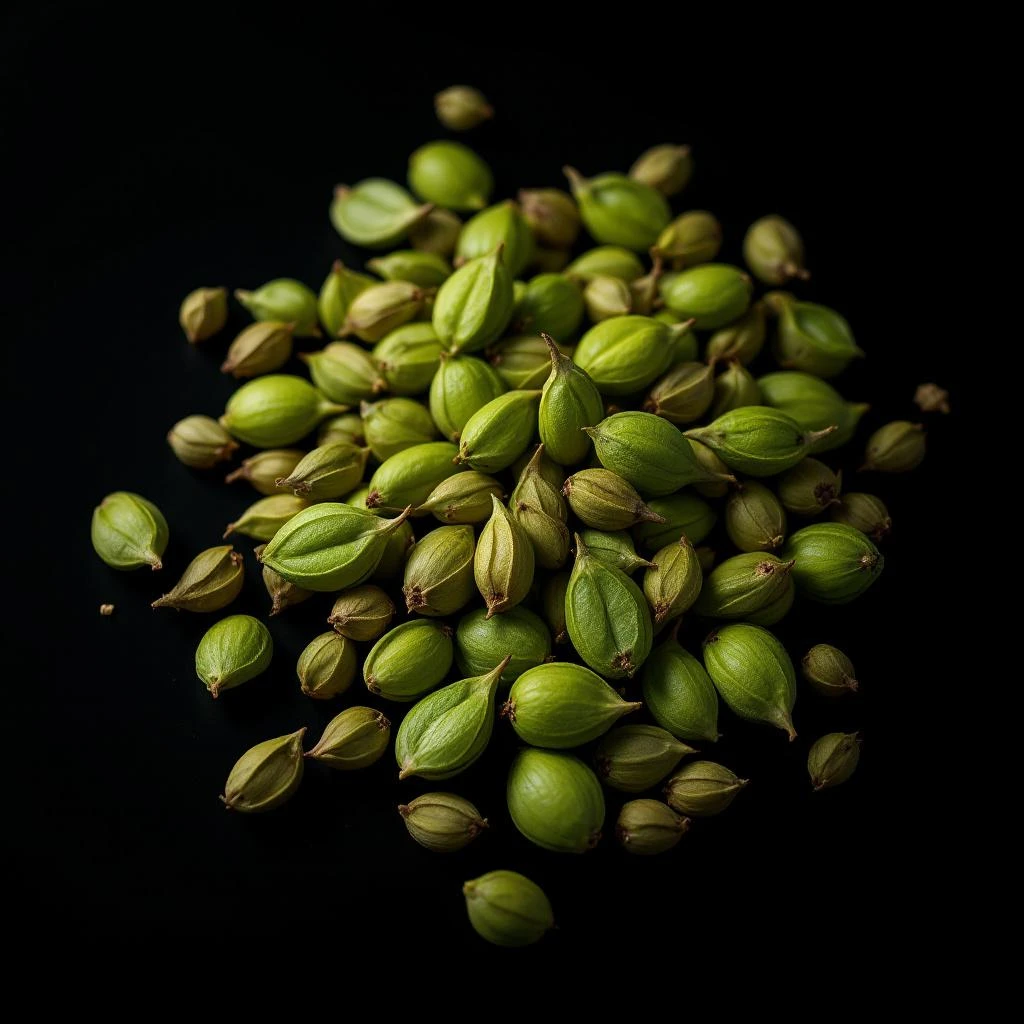
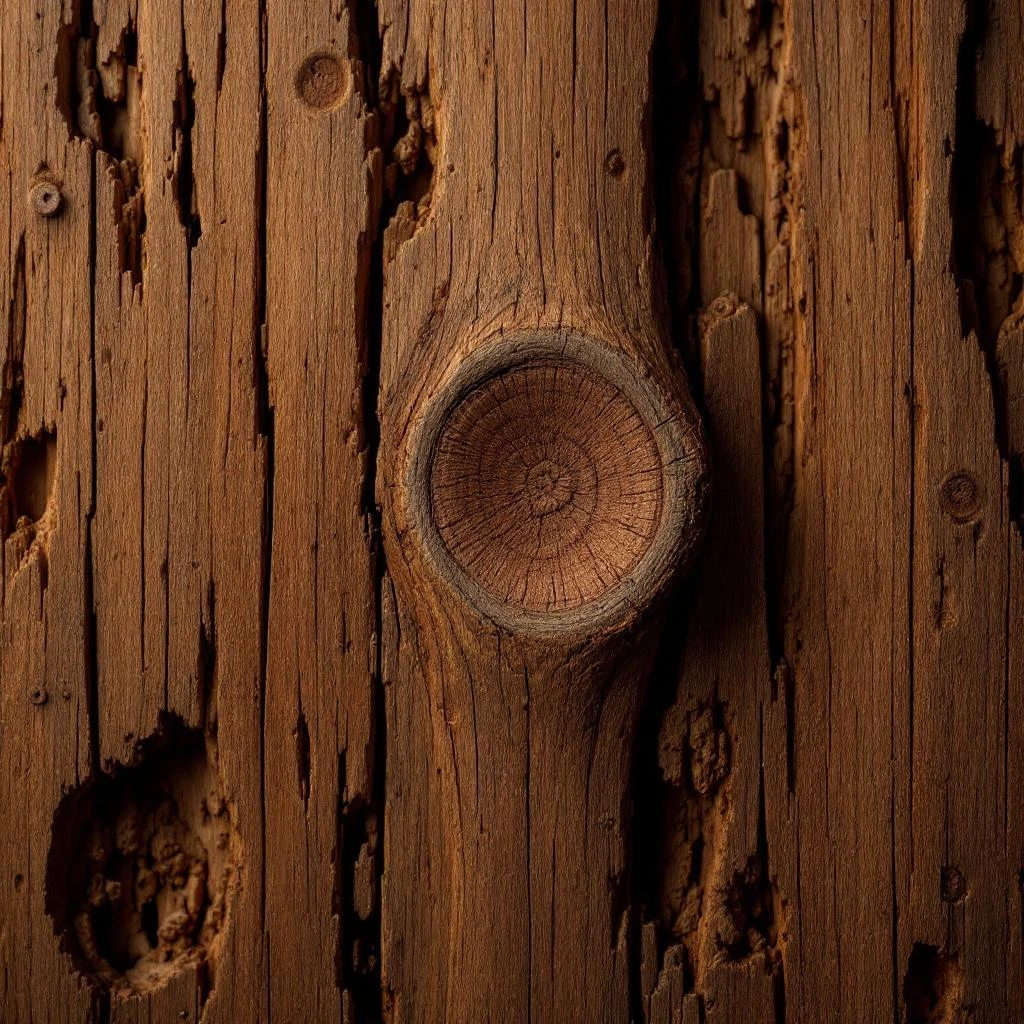
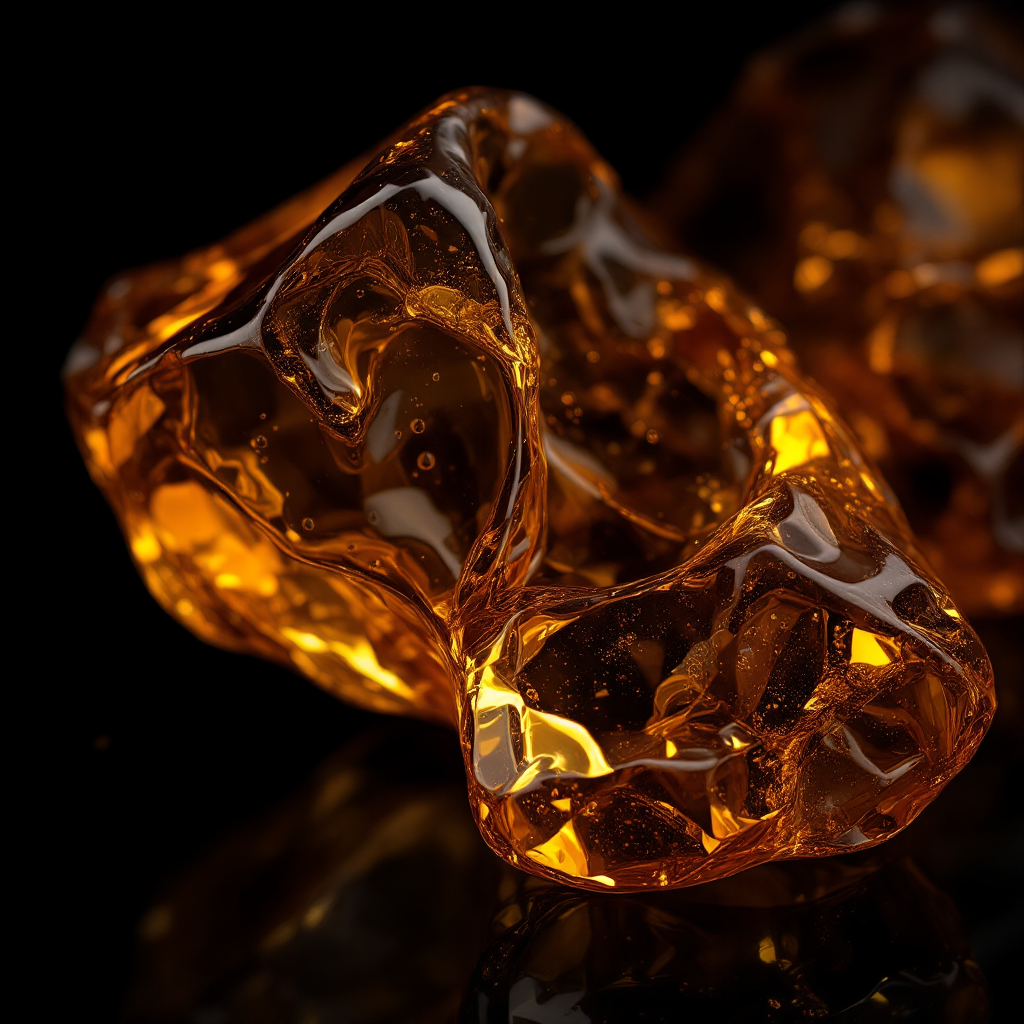
Armagnac brings dark fruit, toasted oak and spirit warmth to a fragrance, with a polished richness that feels both aged and quietly smoky.
Character
How it smells
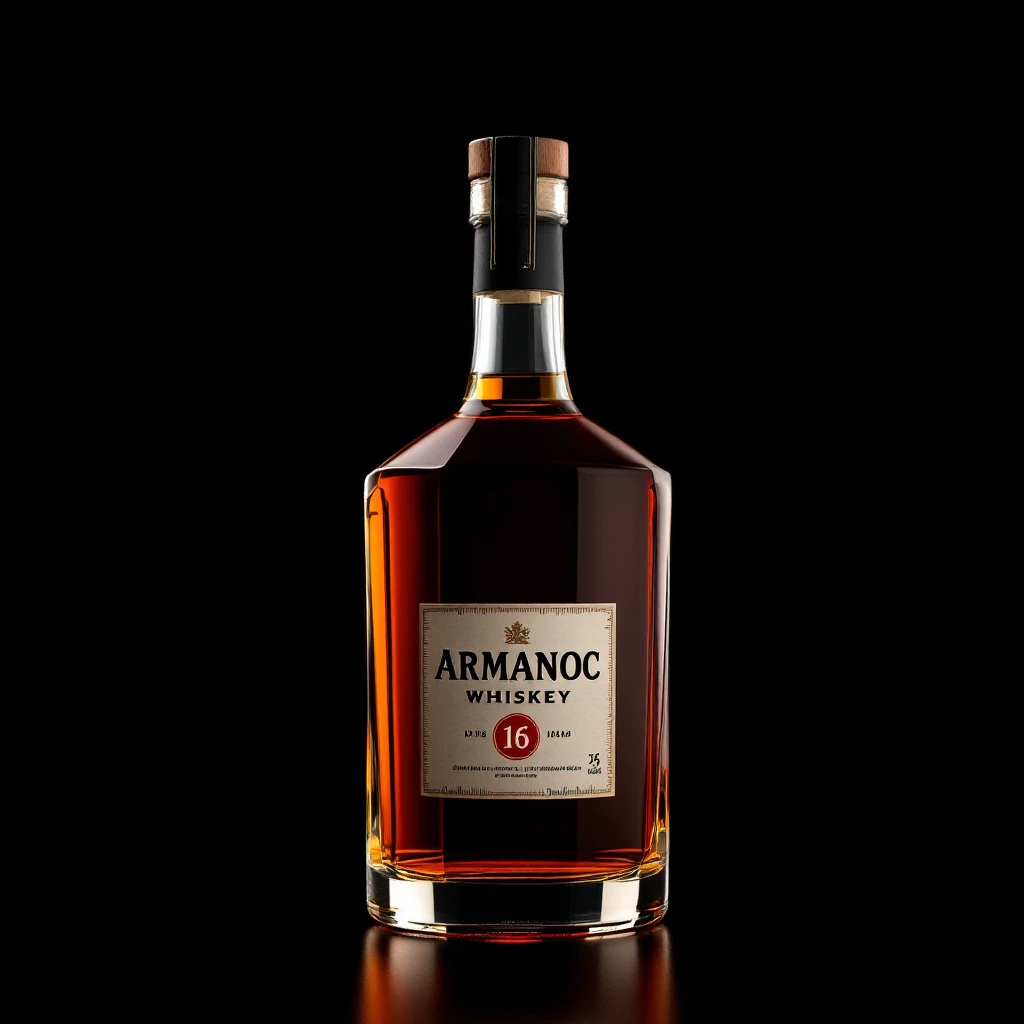
Dark fruit, toasted oak, and a warm alcoholic glow.
Armagnac takes its name from Gascony, where records of the brandy date to the 15th century.
Origin
France
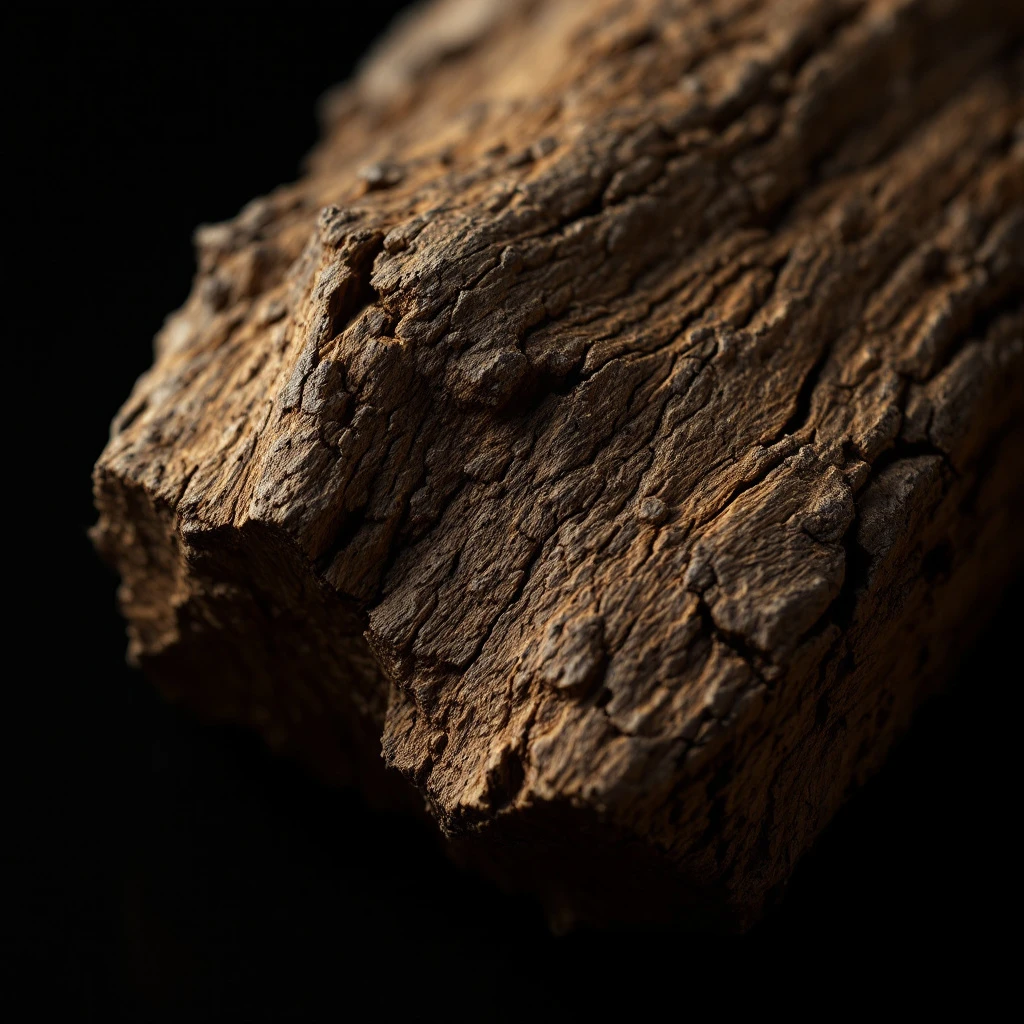
Armagnac is the historic brandy of Gascony, in southwestern France, and its documented production reaches back to the 15th century. Unlike Cognac, it is traditionally distilled from a blend of white and local wine grapes and is often described as having a fuller, rustic character.
The spirit’s association with aged wood, dried fruit, and warm fermentation later gave “Armagnac” a clear place in perfumery language. It became a way to name a rich woody accord with visible traces of brandy: fruit sweetness lifted by alcohol, grounded in oak, and softened by a dry smoky note.
Perfume itself has a much older history, using fragrant oils and captured scents long before modern distillation and synthetic aroma chemistry. Armagnac entered that broader craft as a cultural reference for aged French richness rather than a newly invented material.
Wears it best
Fragrances featuring Armagnac
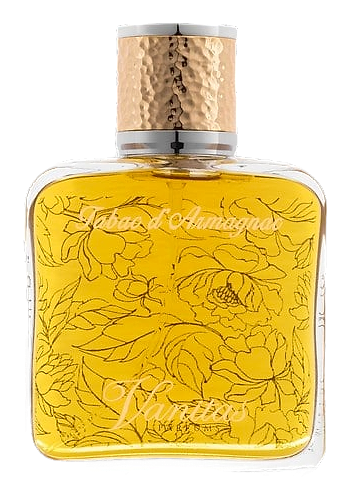
Brands
Brands known for Armagnac
Good to know
Questions, answered
The essentials on Armagnac in perfumery: how it smells, where it comes from, and how it behaves on skin.
What does the Armagnac fragrance note smell like?
Armagnac usually smells dark, warm, and woody, with dried fruit, fermented grape, toasted oak, and a subtle alcoholic edge. Its sweetness is often restrained, giving the note a mature, spirituous character rather than a sugary profile.
Is Armagnac made from the same material as Armagnac brandy?
No. Armagnac in perfumery is usually a fragrance accord inspired by aged brandy, not brandy itself. It combines woody, fruity, fermented, and alcoholic elements to suggest the spirit without simply reproducing its smell.
Where does Armagnac brandy originate?
Armagnac brandy comes from Gascony in southwestern France. Its documented history reaches to the 15th century, making it one of the region’s oldest distilled spirits and a strong cultural reference for French richness.
Does an Armagnac perfume note always smell boozy?
Not necessarily. Some compositions emphasize the alcohol accord, while others focus on dried fruit, oak, or smoke. The perceived booziness depends on the formula and the balance of supporting notes.
Is Armagnac a natural ingredient or a synthetic accord?
In most perfumery, Armagnac is a constructed accord rather than one naturally extracted ingredient. Natural extracts and synthetic aroma molecules may be blended to create its characteristic combination of fruit, wood, warmth, and spirit.
What fragrance notes pair well with Armagnac?
Armagnac pairs naturally with vanilla, leather, tobacco, sandalwood, incense, and dark fruits. These materials either amplify its woody depth or soften its alcoholic warmth, helping the note appear more polished and long-lasting.
Is Armagnac the same as Cognac in perfume?
No. They are distinct spirits with different origins and traditions, though both can inspire warm woody and fruity fragrance accords. Armagnac is generally associated with Gascony and fuller rustic character, while Cognac comes from the Cognac region.
Why is Armagnac used in niche fragrance?
Armagnac offers a recognizable profile of aged fruit, toasted oak, and restrained alcoholic warmth. Its depth suits compositions that value darker woods, resins, leather, tobacco, and vintage character.