Oak wood CO2
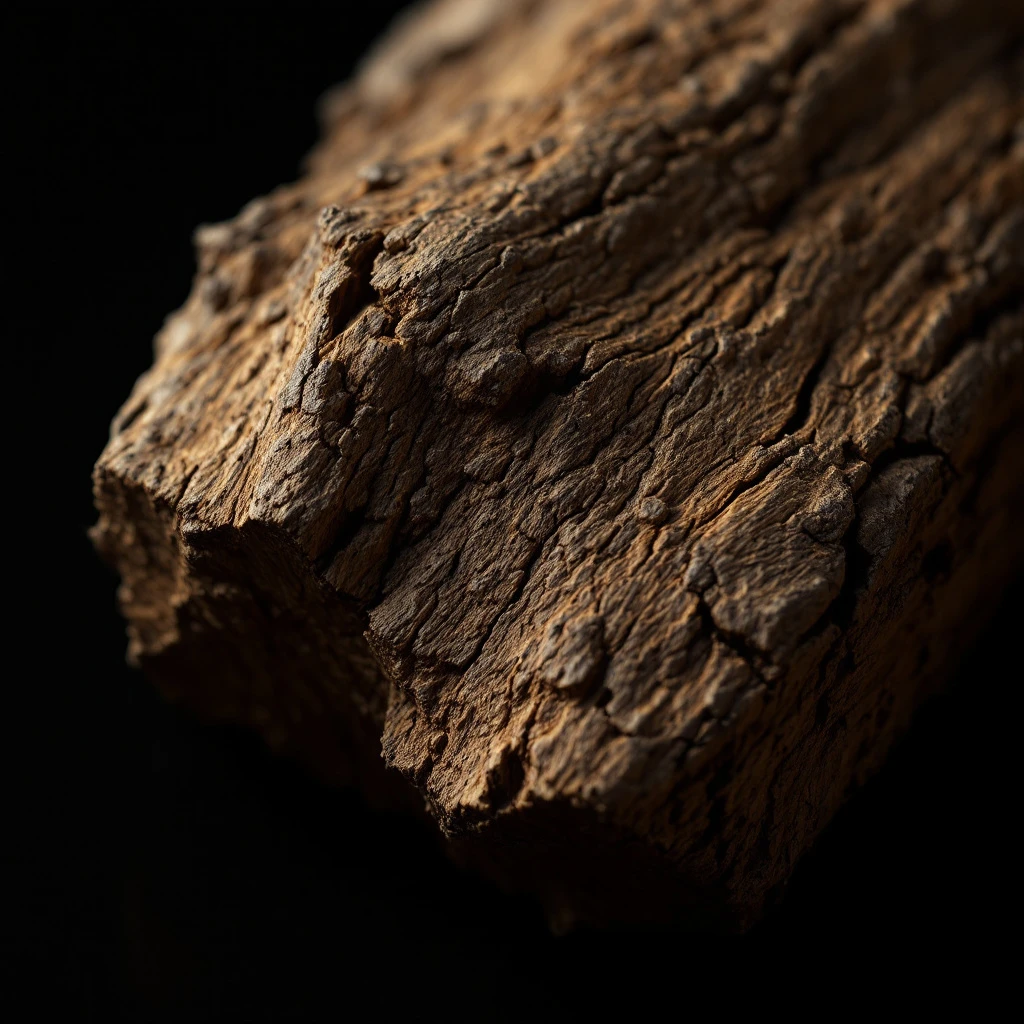
Oak wood CO2 extract captures the deep, leathery warmth of aged barrels and ancient forests. It brings a rare authenticity to woody and oriental fragrance compositions that synthetic alternatives cannot replicate.
Character
How it smells
Aged barrel warmth captured in a single extract.
Supercritical CO2 extraction uses pressure similar to a soda bottle to gently pull delicate aromatics from oak wood without heat damage.



Origin
France
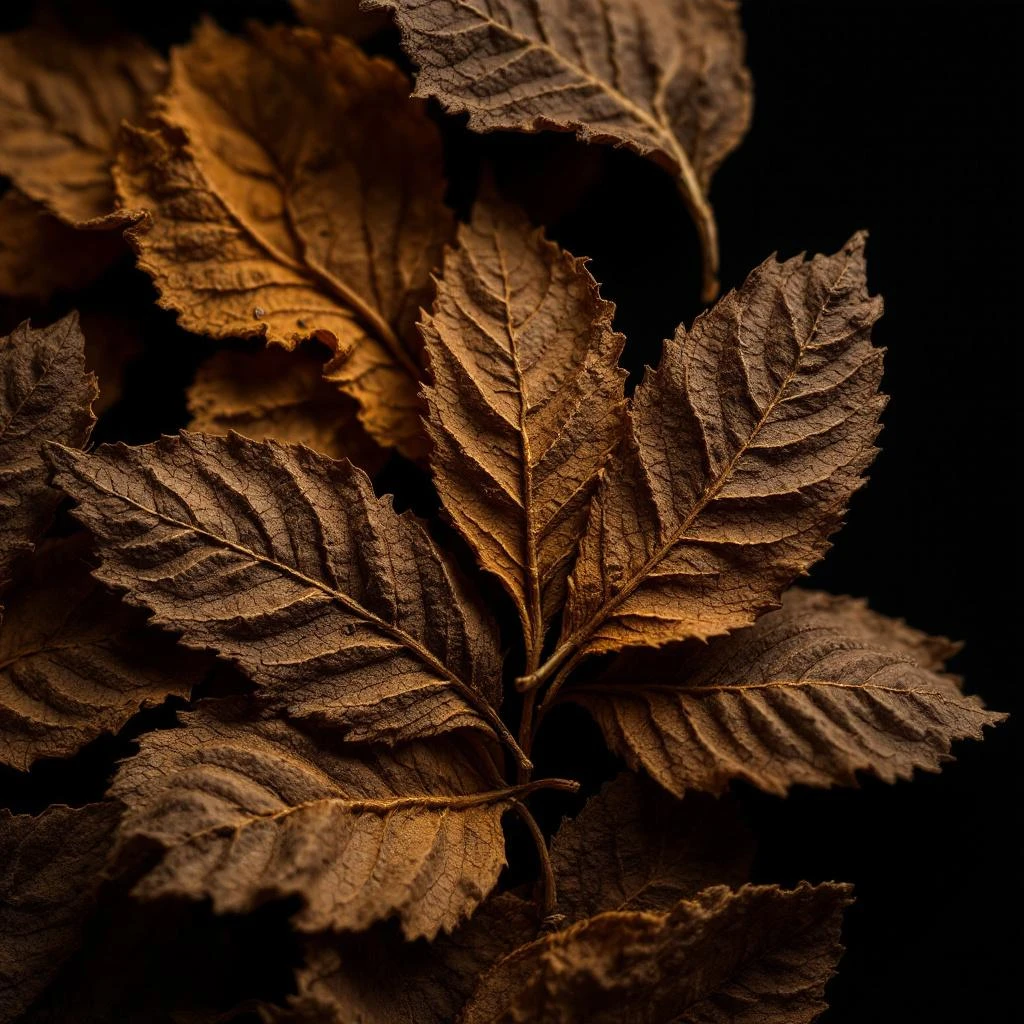
Oak has shaped both beverage-making and perfumery for centuries. Cooperages across France and America built their reputations on crafting barrels that gave wines and spirits their distinctive character. Perfumers noticed that these same woods carried aromatic properties worth capturing directly.
Before modern extraction techniques, perfumers used oak chips or derived note associations from barrel-aged materials. The breakthrough came with supercritical fluid technology in the 1980s, which finally allowed extraction of those aged wood compounds without distillation. French oak from Quercus robur became especially sought after for its high lactone content, which lends creamy coconut and vanilla facets.
Today, French Oakwood CO2 extracts appear in prestige oriental and woody compositions where that unmistakable barrel-aged warmth elevates the scent story.
Wears it best
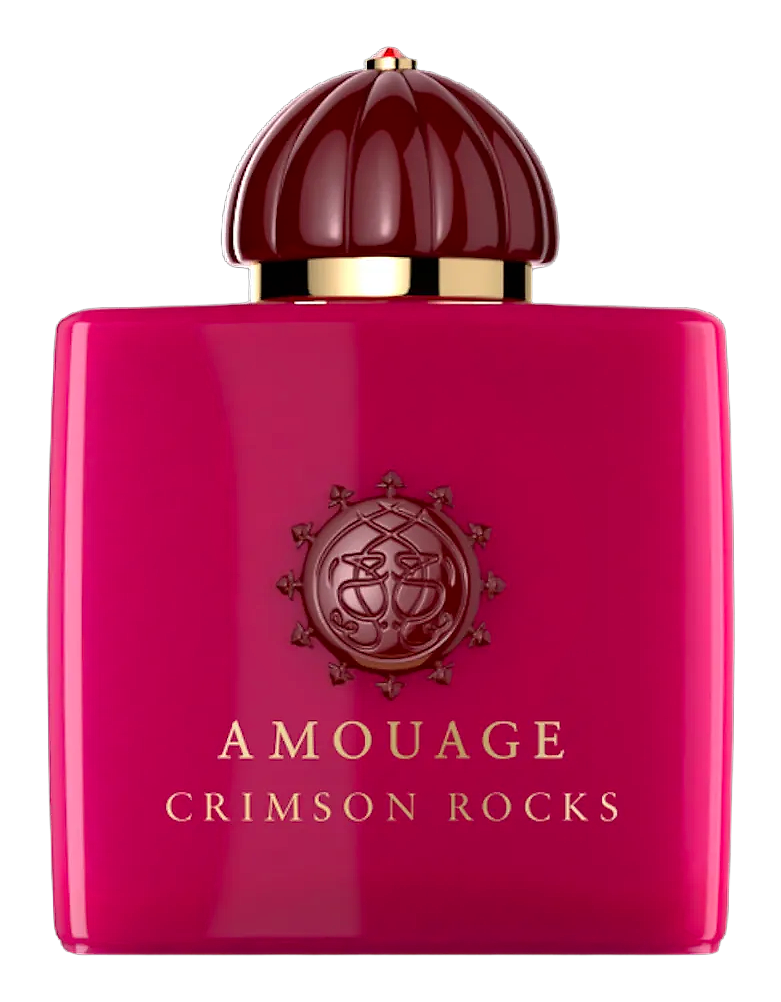
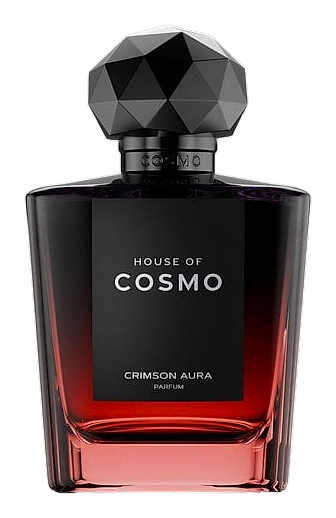
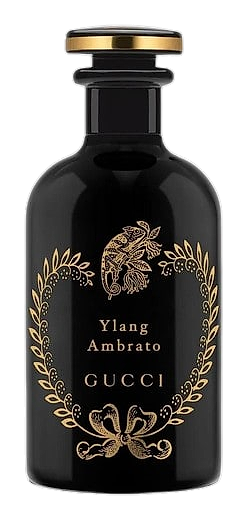
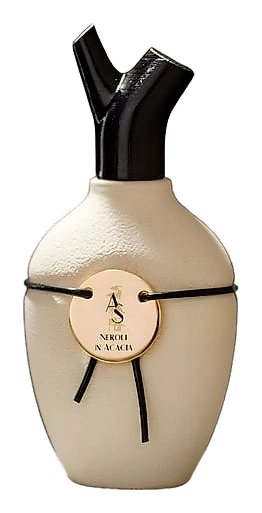
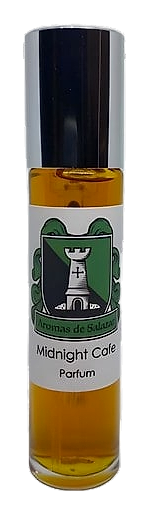
Fragrances featuring Oak wood CO2
Brands
Brands known for Oak wood CO2
Good to know
Questions, answered
The essentials on Oak wood CO2 in perfumery: how it smells, where it comes from, and how it behaves on skin.
What does oak wood CO2 smell like?
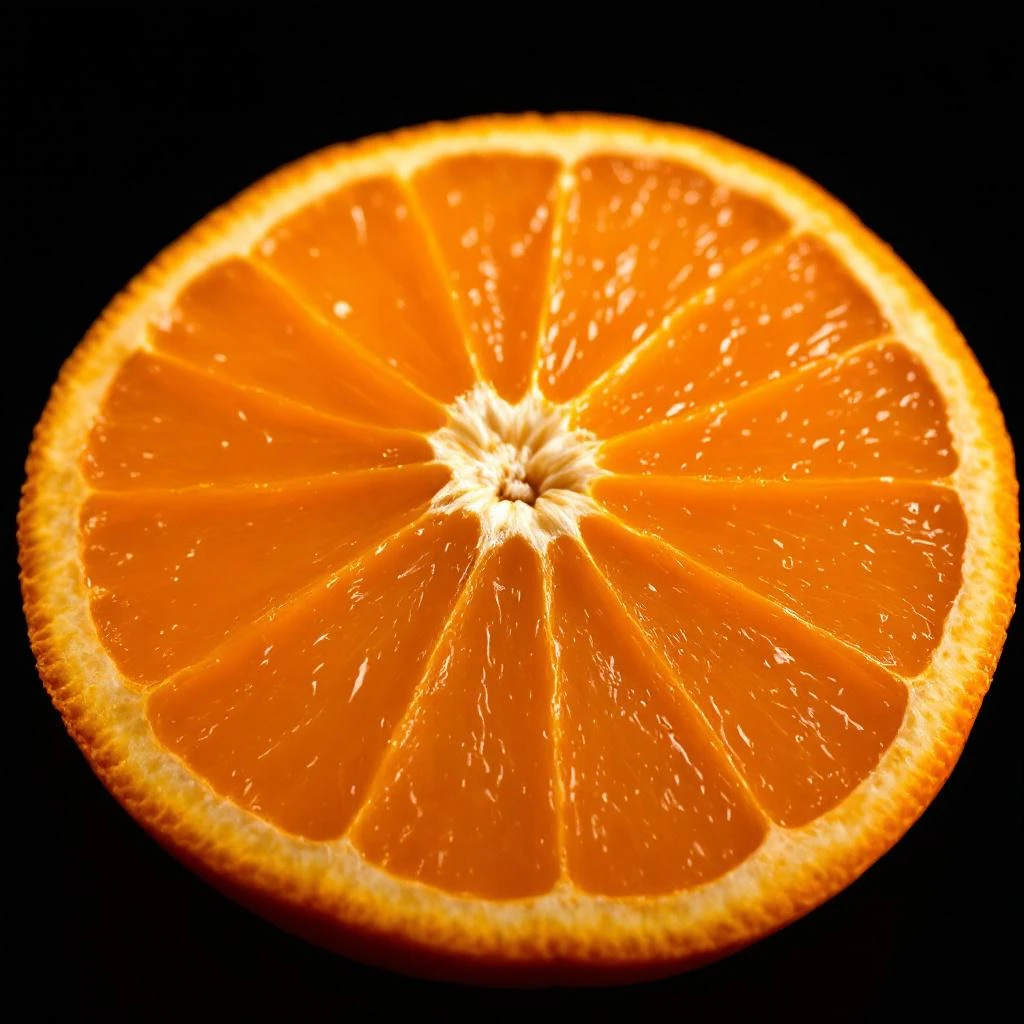
Oak wood CO2 delivers leathery, smoky, and vanillic tones with a slightly sweet dried-fruit undertone. It evokes the interior of a whiskey barrel.
Which fragrance families pair well with oak wood CO2?
It excels in woody, oriental, leather, and gourmand compositions. The extract adds warmth and depth to vanilla, amber, and spice accords.
Why is supercritical CO2 extraction preferred for oak wood?
This method operates below 40 degrees Celsius, preserving heat-sensitive lactones and phenols that steam distillation would alter or destroy.
What oak species are used for this extract?
Quercus robur, or English oak, is the primary species. French and American white oak varieties also yield prized extracts with distinct lactone profiles.
Is oak wood CO2 a natural fragrance ingredient?
Yes. It is a concentrated natural extract containing no synthetic additives, derived entirely from oak wood using pressurized carbon dioxide.
How much oak wood CO2 do perfumers typically use?
Dosage ranges from trace amounts up to approximately 5 percent in fragrance concentrates. The extract is potent and benefits from careful dilution.
What complementary ingredients work with oak wood CO2?
Vanilla, sandalwood, benzoin, tonka bean, and warm spices like cinnamon and clove enhance its barrel-aged character beautifully.
How does oak wood CO2 differ from synthetic woody materials?
Its complexity surpasses most synthetics. Natural oak extract contains hundreds of interacting compounds, including lactones, phenols, and aldehydes, that create dimensional warmth synthetic materials rarely achieve.