
The Story
Why it exists.
The beginning
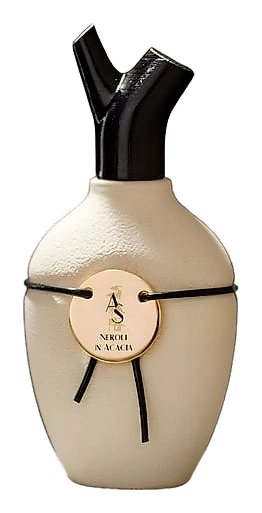
Néroli in Acacia started with a question: what happens when you build a fragrance around contrast instead of harmony? Pascal Gaurin chose neroli, bitter, bright, alive with citrus pith, and paired it with acacia, a note that smells like hay dried in afternoon sun. The tension between them became the point. Neroli's astringency against acacia's honeyed warmth. Neither one yields. The whole composition pivots on that argument, with leather and oak waiting to settle things once the florals finish bickering. The name says exactly what it means: neroli, placed inside acacia, allowed to work it out.
What makes this structure unusual is the absence of the expected cushion. Here, the florals open cold, assertive, slightly green, almost confrontational. The neroli arrives with a sharp, almost biting quality that cuts through any preconception of softness. Acacia adds its powdery honey character, but it's not soft, there's a waxy, almost metallic undertone that keeps the sweetness grounded. The green notes pulse beneath the surface, creating tension that resolves only as the fragrance settles into the skin.
The evolution
The opening is an acidic punch. Neroli hits with a force that borders on astringent, bitter orange peel, pith, the sharp edge of citrus that makes your mouth water. Petitgrain adds a green, almost medicinal quality that keeps the florals from being delicate. As the initial intensity softens, acacia blooms fully in the heart. Powdery, slightly hay-like, with a honeyed warmth that softens the earlier bite. Orange blossom absolute amplifies the effect, creating a golden floral haze that feels sunlit rather than sweet. Carrot seed brings an earthy, root-like quality that grounds the florals and prevents them from floating away. As the fragrance transitions toward its final act, the florals thin to a whisper and Cashmeran takes over, warm, soft, close. Oak and Haitian vetiver appear here, adding a smoky, woody depth that lingers into the evening.
Cultural impact
Neroli has long held a place in perfumery as one of the most versatile citrus florals, prized for its ability to bring both brightness and depth to a composition. Acacia offers a different kind of floral weight, delicate, honeyed blossoms that carry associations with springtime and the fleeting beauty of blossoms at their peak. Together in this fragrance, they create a dialogue between tradition and sensory immediacy. The neroli provides a classic citrus floral structure, while acacia introduces a powdery warmth that softens the sharper edges.