Arbutus Berry
The waxy, sweet-fruited essence of the Mediterranean strawberry tree. Arbutus Berry lends fragrances a distinctive woodland warmth with subtle tartness and a unique aromatic depth rarely found elsewhere.
Character
How it smells
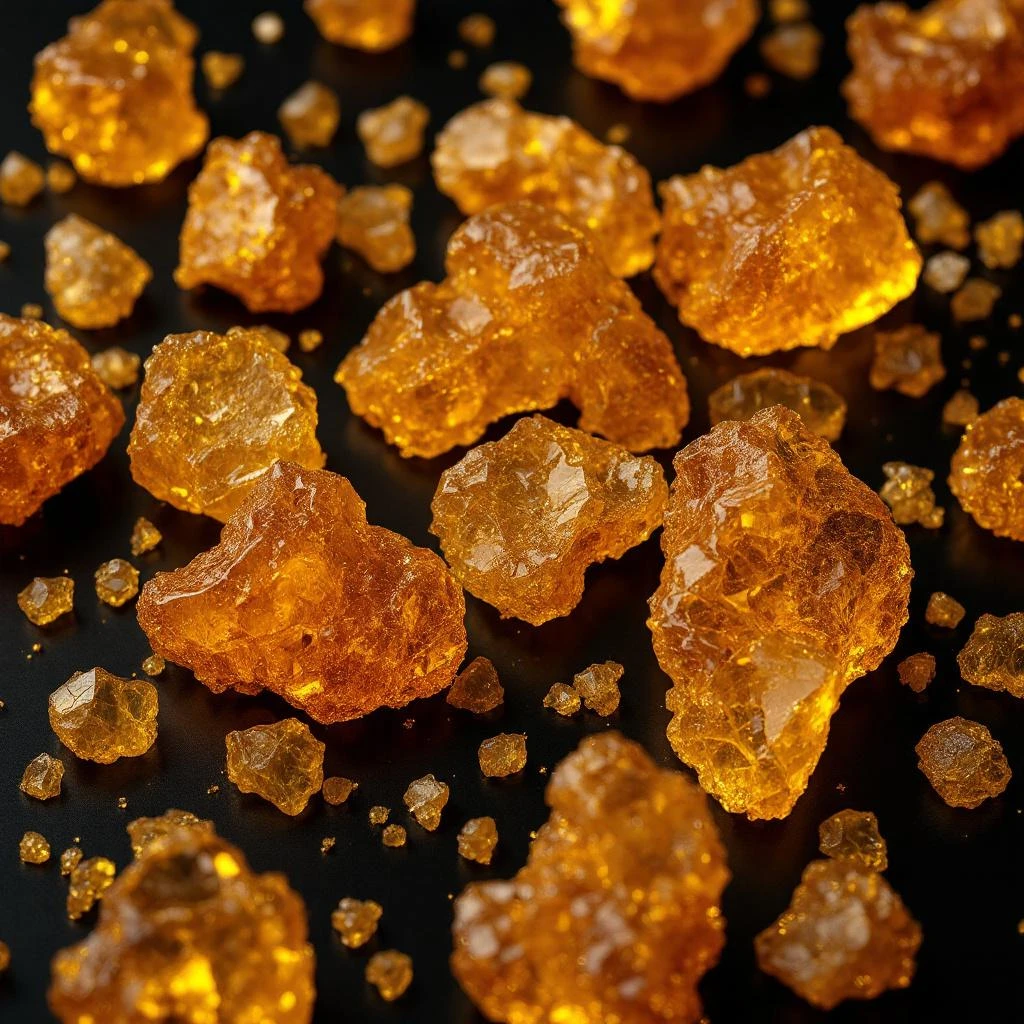
Mediterranean woodland fruit, tart and waxy.
Despite their common name, strawberry tree berries are not true strawberries. They take over a year to ripen, hanging alongside new flowers on the tree.



Origin
Spain
The strawberry tree has grown wild across the Mediterranean basin for thousands of years, with documented presence in ancient Greek and Roman landscapes. Greek naturalist Theophrastus recorded the plant in his botanical works from the 4th century BCE.
The Romans valued the berries as food and explored their medicinal properties. Arbutus appears in classical poetry and remained embedded in Mediterranean cultural landscapes through medieval times, featuring in heraldry and folk traditions.
While specific perfumery applications in antiquity remain unclear, the plant's long history in aromatic regions suggests traditional use. Modern perfumery has revisited this ingredient for its distinctive character, particularly suited to autumnal, gourmand, and woodland-inspired compositions.
Wears it best
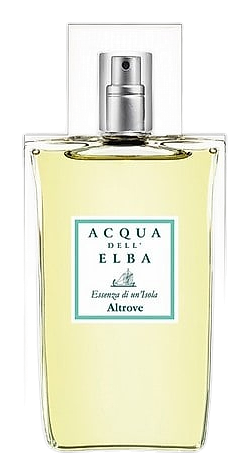
Fragrances featuring Arbutus Berry
Brands
Brands known for Arbutus Berry
Good to know
Questions, answered
The essentials on Arbutus Berry in perfumery: how it smells, where it comes from, and how it behaves on skin.
What is Arbutus Berry in perfumery?
Arbutus Berry comes from the strawberry tree (Arbutus unedo). It provides a unique waxy, sweet-fruited scent with subtle tart and tannic qualities rarely found in other natural materials.
Is Arbutus Berry related to actual strawberries?
No. Despite the common name strawberry tree, the berries of Arbutus unedo are a different fruit entirely. They have a distinctive waxy coating and take over a year to ripen on the plant.
What does Arbutus Berry smell like?
The scent combines sweet fruit notes with gentle tartness and waxy undertones. Many perfumers describe subtle woody and slightly tannic qualities reminiscent of pear or apple skin.
When is Arbutus Berry harvested?
Harvesting occurs from October through December when the berries reach full ripeness. The fruits turn deep red with a characteristic waxy bloom that signals optimal aromatic development.
What role does Arbutus Berry play in fragrance composition?
It functions as a heart-to-base note, adding woodland fruit character to compositions. The ingredient pairs well with woody, balsamic, and other fruit materials.
How is Arbutus Berry extracted for perfumery?
Processors use solvent extraction on the ripe berries to produce a concrete, then wash this with alcohol to obtain the final absolute used in fine fragrance formulations.
Which regions produce the best Arbutus Berry for perfumery?
The Mediterranean basin, particularly Spain and Italy, produces high-quality material. The plant thrives in mild coastal climates with well-drained soils.
Can I substitute Arbutus Berry with other ingredients?
Other natural fruity materials like raspberry ketone or strawberry accord offer similar fruit effects, though they lack the distinctive waxy, woodland quality of true Arbutus Berry.