Arabian Leather
Arabian Leather conjures sun-baked saddles, smoky resin, and the warmth of a desert campfire. Rich animalic depth meets spice and smoke in one of perfumery's oldest accord families.
Character
How it smells
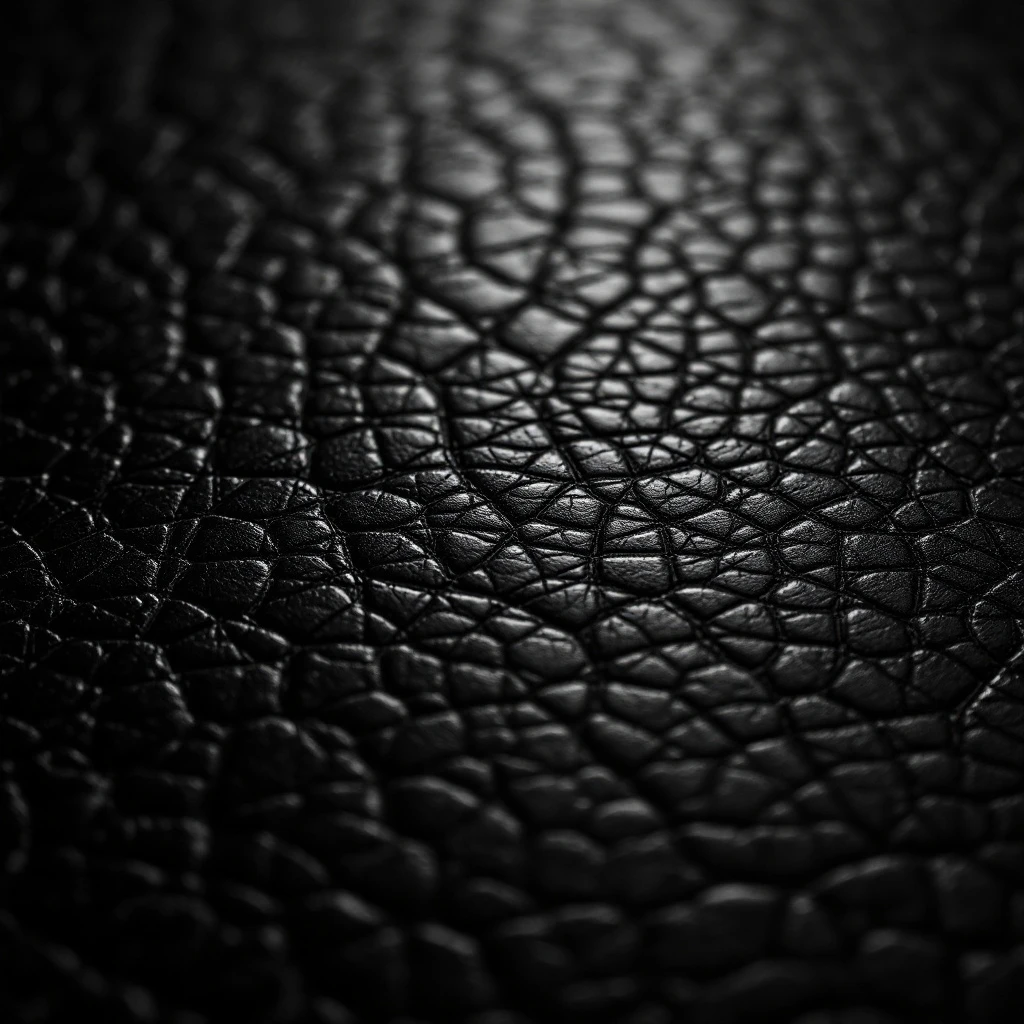
Smoke, spice, and ancient hide.
Middle Eastern tanners historically perfumed leather with oud, saffron, and frankincense so the smoke would carry through marketplaces as a mark of quality.







Origin
Saudi Arabia
Leather perfumery in the Arabian Peninsula traces back over a thousand years to a practical craft: tanners treated hides with aromatic woods and resins to mask the smell of raw leather and, crucially, to protect them from insects in the desert heat. Over centuries this functional practice evolved into an art form. By the medieval Islamic Golden Age, cities like Baghdad, Damascus, and Cairo had become centers of refined perfumery where scholars like Al-Kindi documented recipes combining leather with rose water, musk, and oud.
Nomadic Bedouin communities carried small leather pouches scented with local herbs and resins across trade routes, spreading the tradition from Yemen to Andalusia. The Arabian Leather accord entered modern Western perfumery in the early 20th century through Orientalist compositions, yet the most authentic expressions remain those crafted by houses in the Gulf, where the tradition never faded.
Wears it best
Fragrances featuring Arabian Leather
Brands
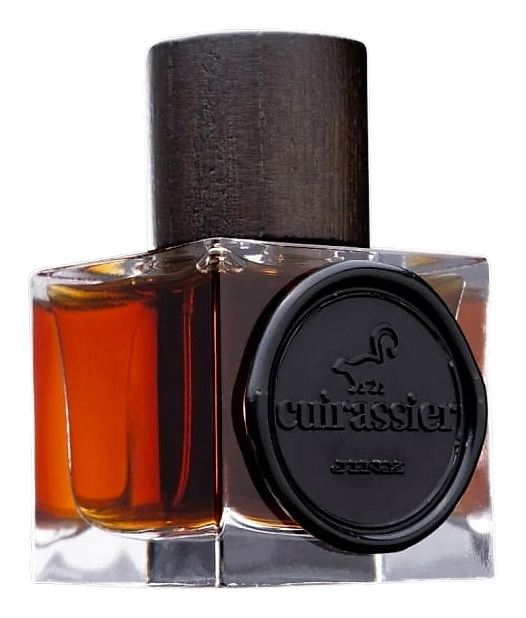
Brands known for Arabian Leather
Good to know
Questions, answered
The essentials on Arabian Leather in perfumery: how it smells, where it comes from, and how it behaves on skin.
What does Arabian Leather smell like?
Arabian Leather combines the smoky warmth of tanned hide with oud, frankincense, and warm spices. Expect deep resinous sweetness layered over dry birch-tar smokiness, often accented by saffron and cardamom.
Is Arabian Leather a natural ingredient?
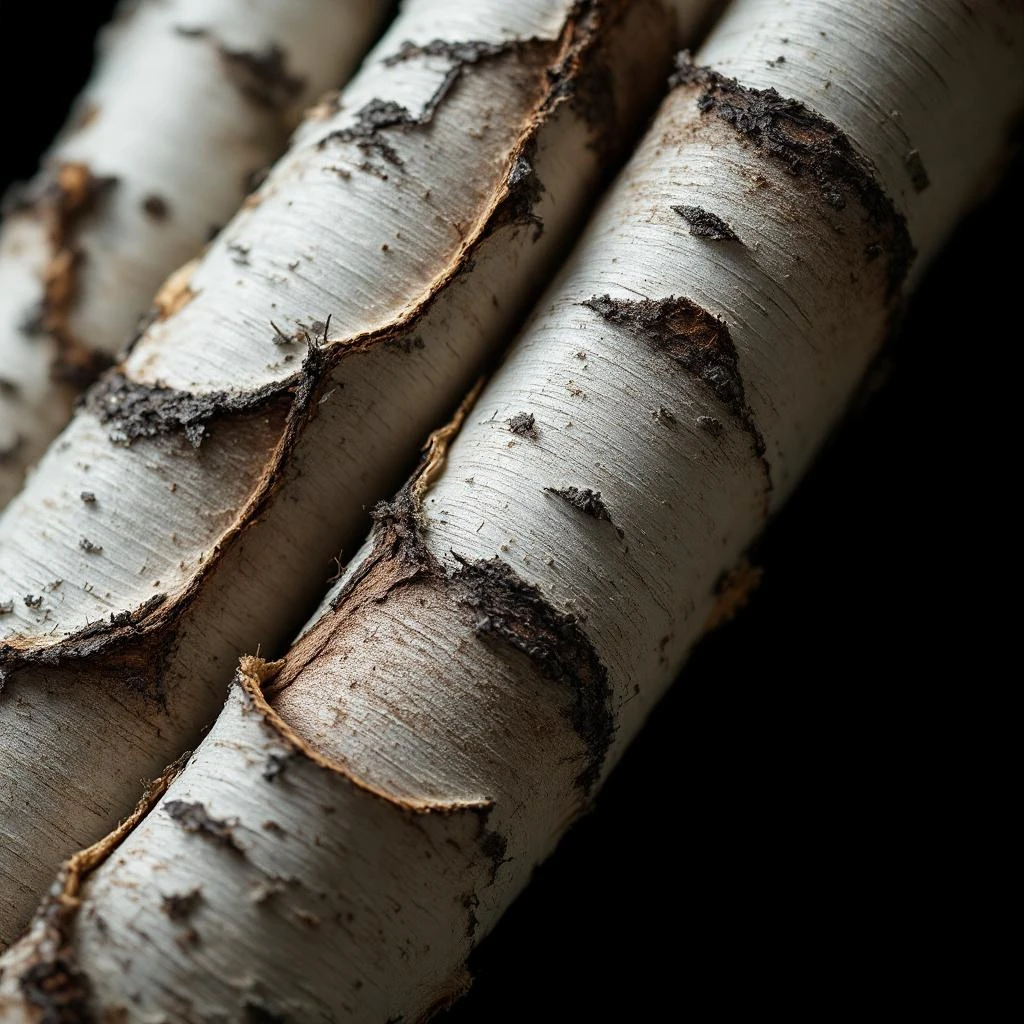
Arabian Leather is a constructed accord, meaning perfumers blend natural leather bases, resins, and spices. The leather note itself is often recreated through birch tar or synthetic isoquinoline rather than actual hide.
Where does Arabian Leather originate?
The tradition originates in the Arabian Peninsula, where tanners historically scented hides with local resins and woods. Riyadh and Damascus remain influential centers for this accord today.
How is Arabian Leather made?
Perfumers combine leather bases (birch tar or castoreum substitutes) with dissolved oud, frankincense, and spice accords. The blend macerates for weeks so the smoky resinous character binds into the leather foundation.
Which perfumes feature Arabian Leather?
Many Amouage, Roja Dove, and Ajmal compositions feature prominent Arabian Leather accords. Niche houses like Initio and Memo Paris also explore the style in their Middle East-inspired lines.
What is the difference between Arabian Leather and Russian Leather?
Russian Leather traditionally emphasizes birch tar and smoky notes. Arabian Leather adds oud, frankincense, and saffron, producing a warmer, more resinous profile compared to its drier northern cousin.
Does Arabian Leather contain animal products?
Traditional formulas sometimes included castoreum or deer musk. Modern compositions typically rely on synthetic alternatives, making most Arabian Leather accords fully vegan while retaining the animalic depth.
What fragrance families pair well with Arabian Leather?
Arabian Leather pairs naturally with Oriental and Woody families. Rose, amber, vanilla, and smoky incense complement its rich base without competing with its resinous complexity.



