Amalfi Bergamot
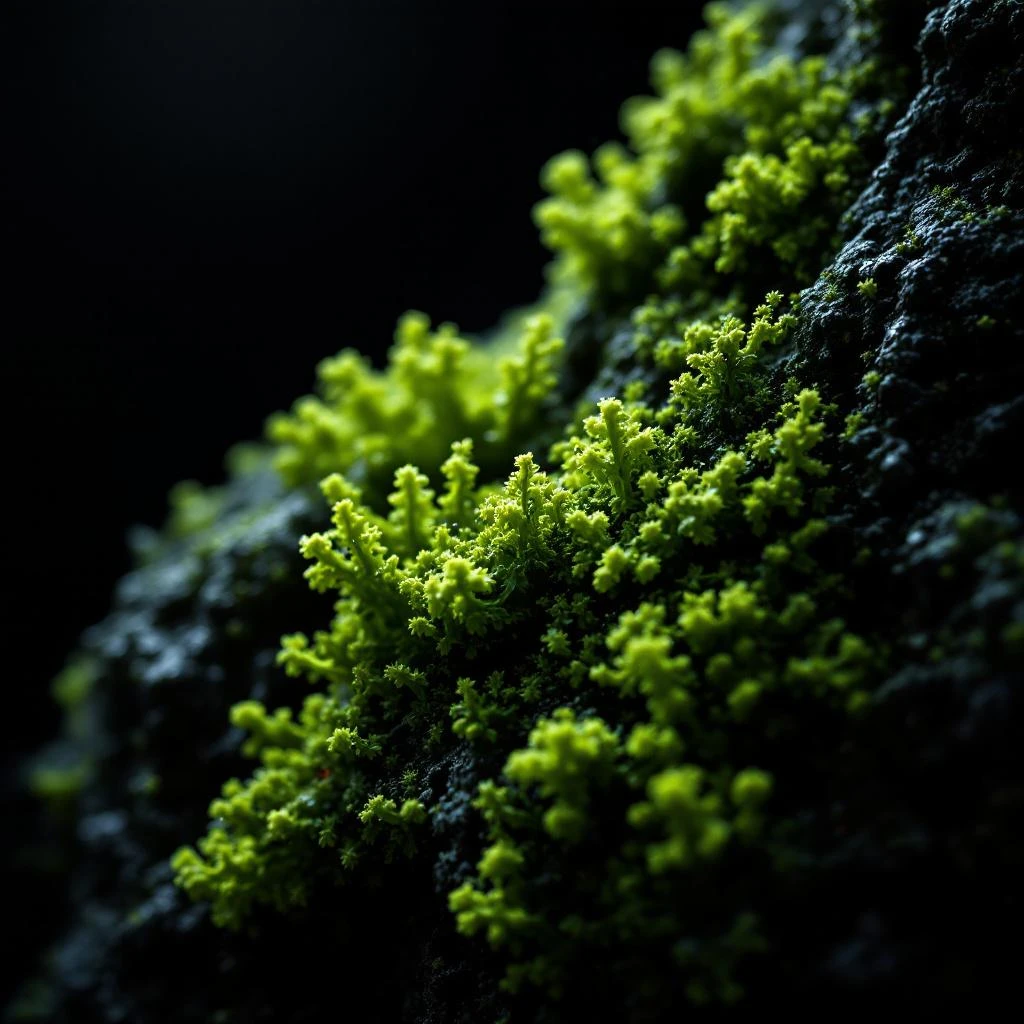
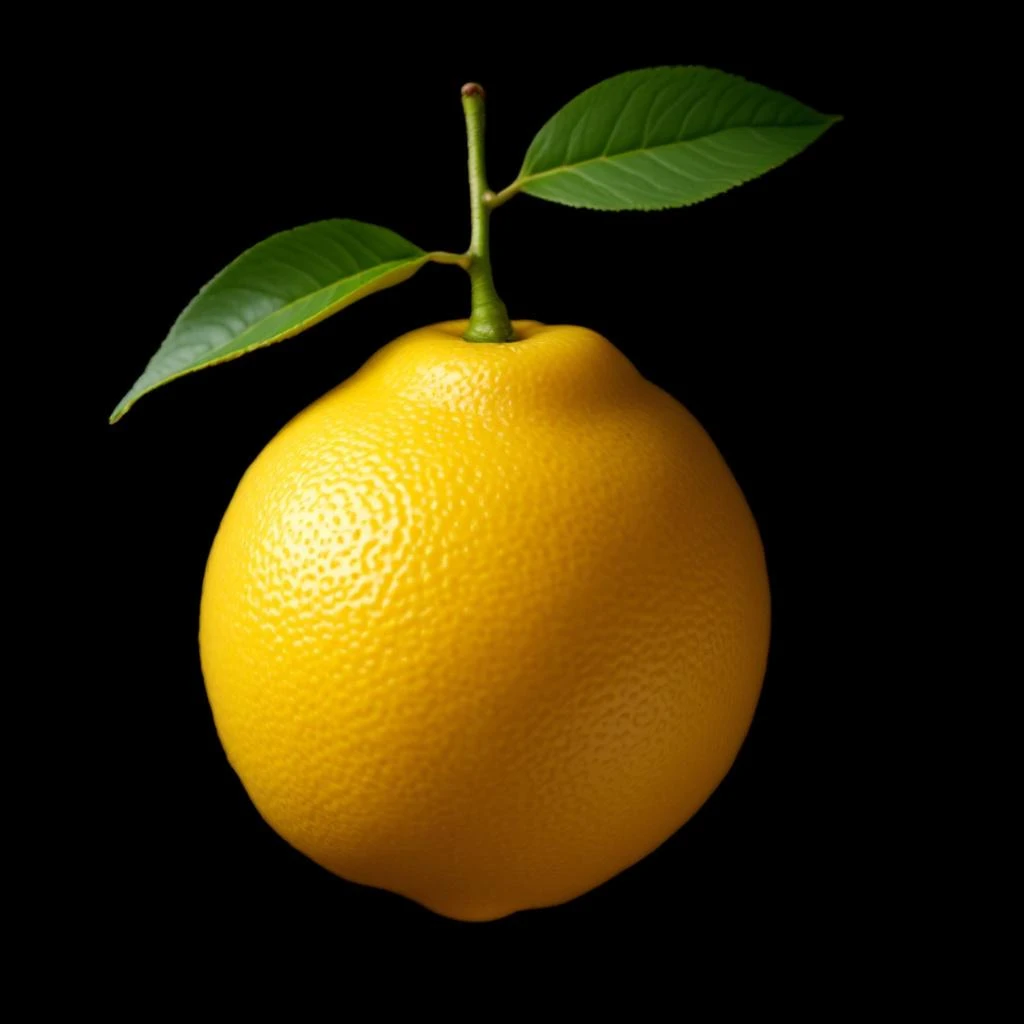
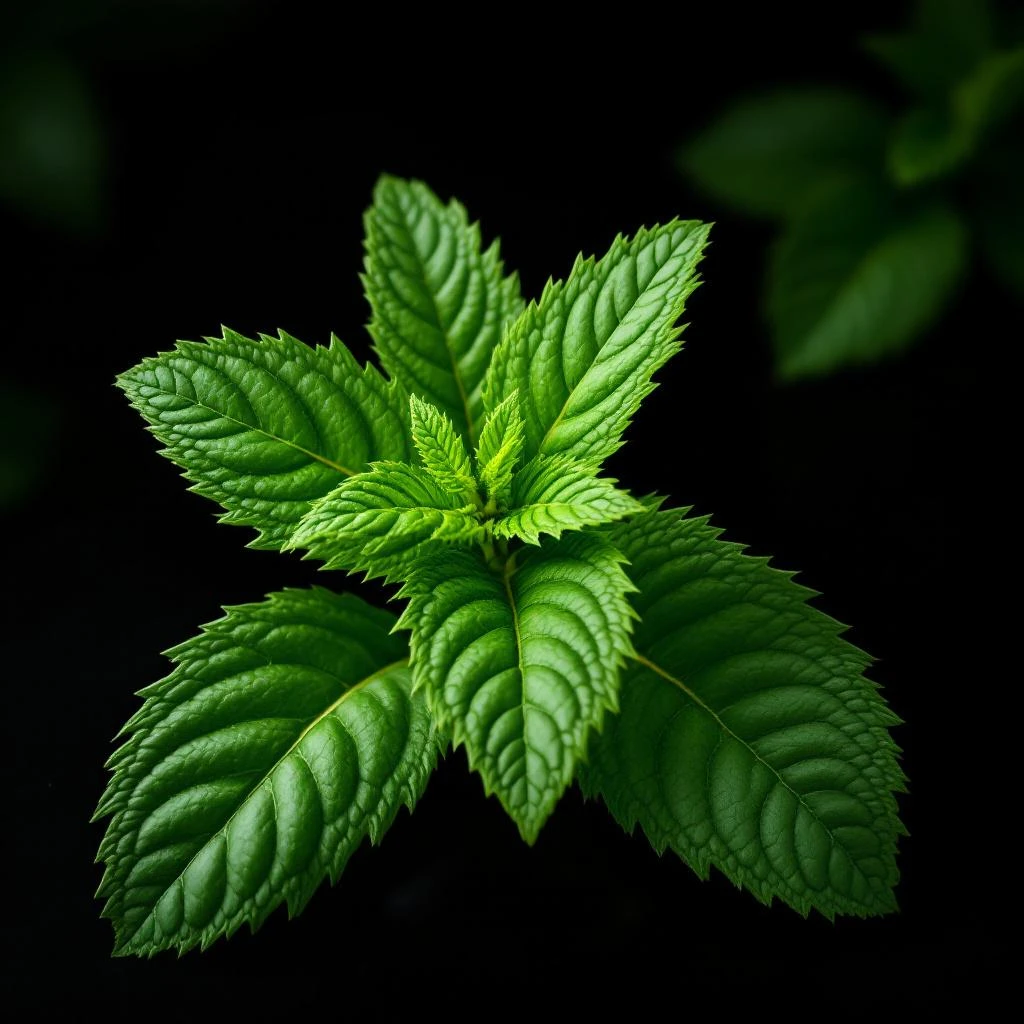
Cold-pressed Calabrian bergamot gives Amalfi Riviera its bright opening: a sparkling green-citrus scent with a subtle bitter edge, vivid without feeling sharp.

Character
How it smells
Calabrian sunlight pressed into a sparkling green citrus.
Bergamot oil entered recorded perfumery in 1714, according to the Farina Archive in Cologne.

Origin
Italy
Bergamot carries a long history in scented preparations, but its place in modern perfumery took shape in the Mediterranean. The citrus belongs to a broader lineage of Asian-origin Citrus species, while its cultivation and association with Italy became especially important over time. Calabria, with its mild coastal climate and citrus-growing traditions, became the principal home of bergamot production.
The first recorded use of bergamot oil as a fragrance ingredient dates to 1714 and appears in the Farina Archive in Cologne. This document preserves evidence that bergamot had already entered European scentmaking before bergamot became closely associated with Eau de Cologne in the eighteenth century. Its historic role reflects a practical appeal: the oil brings a clean, radiant citrus note that can open a composition and remain recognizable within it.
Today, Calabrian bergamot remains one of perfumery’s most distinctive natural top notes. The connection to the Amalfi Coast celebrates its regional roots and the vivid freshness that Italian citrus brings to fragrance composition.
Wears it best
Fragrances featuring Amalfi Bergamot
Brands
Brands known for Amalfi Bergamot
Good to know
Questions, answered
The essentials on Amalfi Bergamot in perfumery: how it smells, where it comes from, and how it behaves on skin.
What does Amalfi Bergamot smell like?
Amalfi Bergamot smells bright, green, and sparkling, with juicy citrus notes and a subtle bitter edge. It is cold-pressed from the peel of Citrus bergamia, giving it a vivid top-note character.
Where is the bergamot for Amalfi Bergamot grown?
The primary source is Calabria in southern Italy. Calabria produces an estimated 80 to 95 percent of the world’s perfume-grade bergamot oil, making it the defining origin for this ingredient.
How is Amalfi Bergamot oil extracted?
The essential oil is mechanically extracted by cold-pressing the peel of the bergamot orange. Avoiding heat helps preserve the oil’s fresh citrus profile and nuanced green character.
What part of the bergamot tree is used in perfume?
Perfumers use the fruit peel, which contains the aromatic essential oil. The peel is compressed to release the oil without the use of steam or solvent extraction.
When was bergamot oil first recorded as a fragrance ingredient?
The first recorded use dates to 1714, documented in the Farina Archive in Cologne. The entry confirms bergamot oil’s established place in early European perfumery.
Why is bergamot common as a top note?
Bergamot’s volatile, fresh citrus character gives a fragrance an immediate opening impression. Its green and lightly bitter nuances also help the opening feel more dimensional than simple sweetness.
Is Amalfi Bergamot the same as lemon or orange?
No. Amalfi Bergamot comes from Citrus bergamia, a small green citrus fruit distinct from lemon and sweet orange. Its peel yields a greener, more complex oil with a restrained bitter edge.
Does Amalfi Bergamot have Italian origins?
Its principal perfumery source is Calabria, Italy, where bergamot cultivation became historically important. The broader species has Asian ancestry, but Calabria dominates today’s production of perfume-grade bergamot oil.