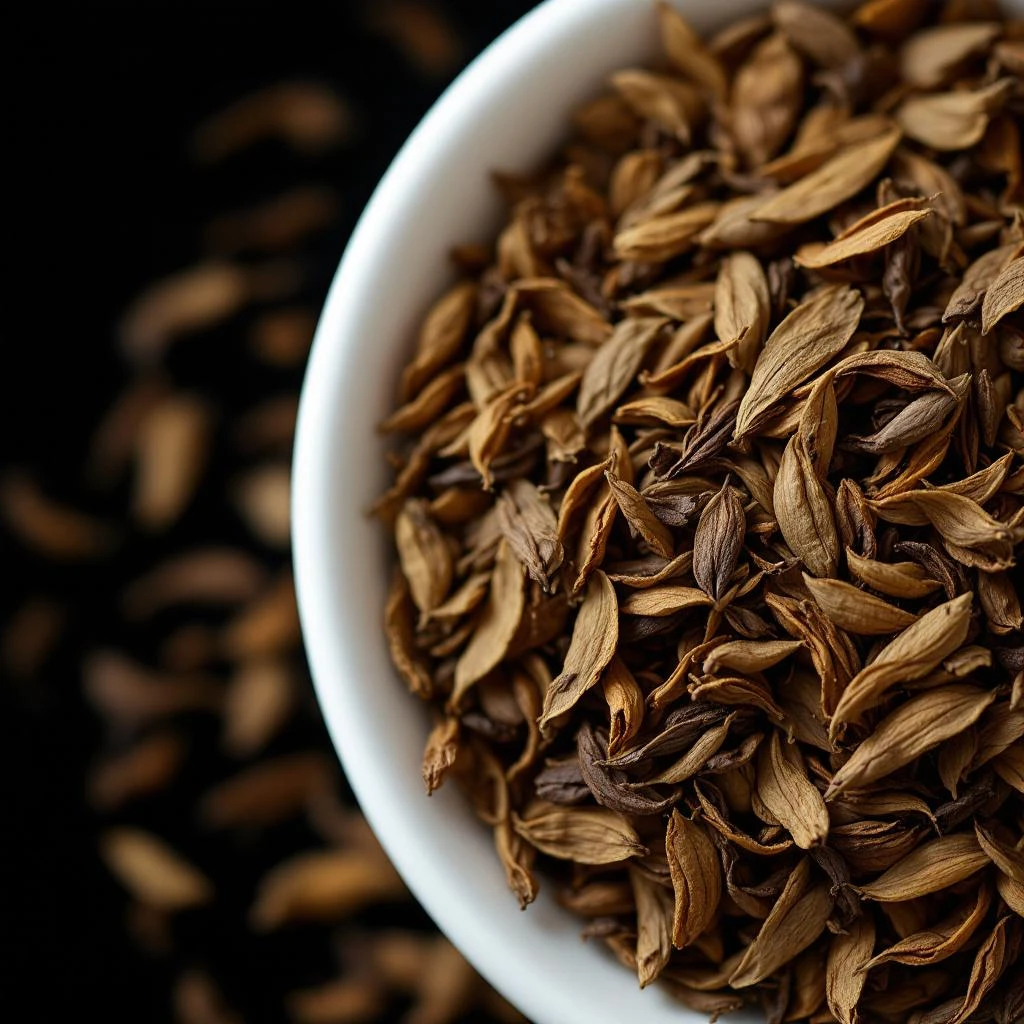
Green Anise
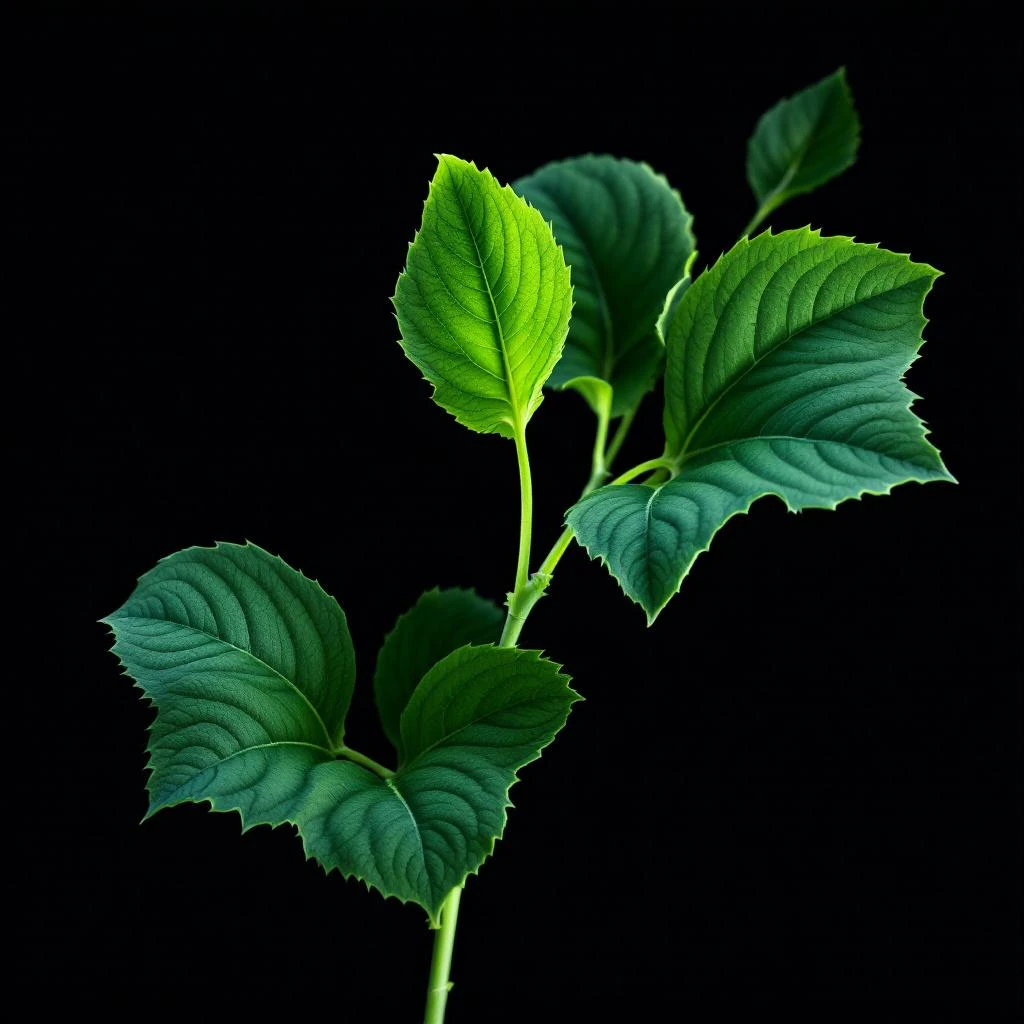
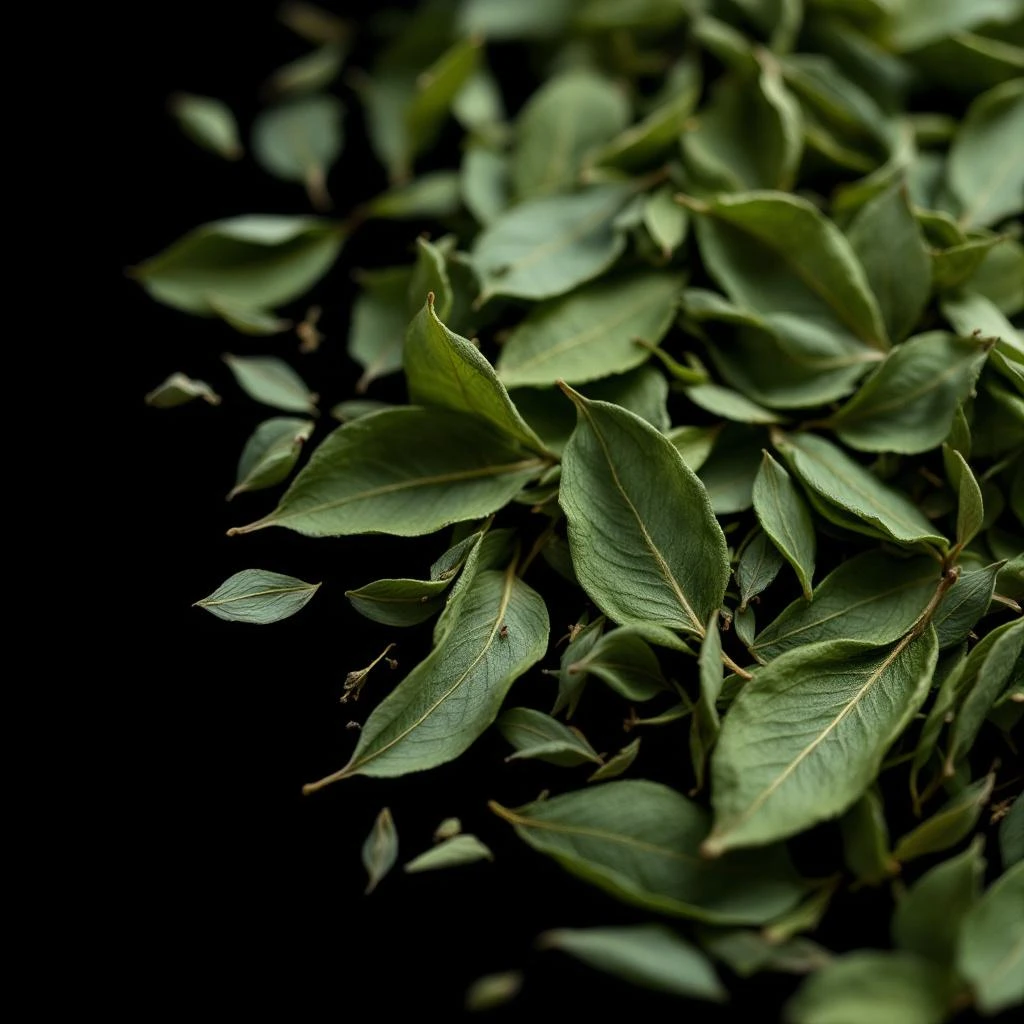
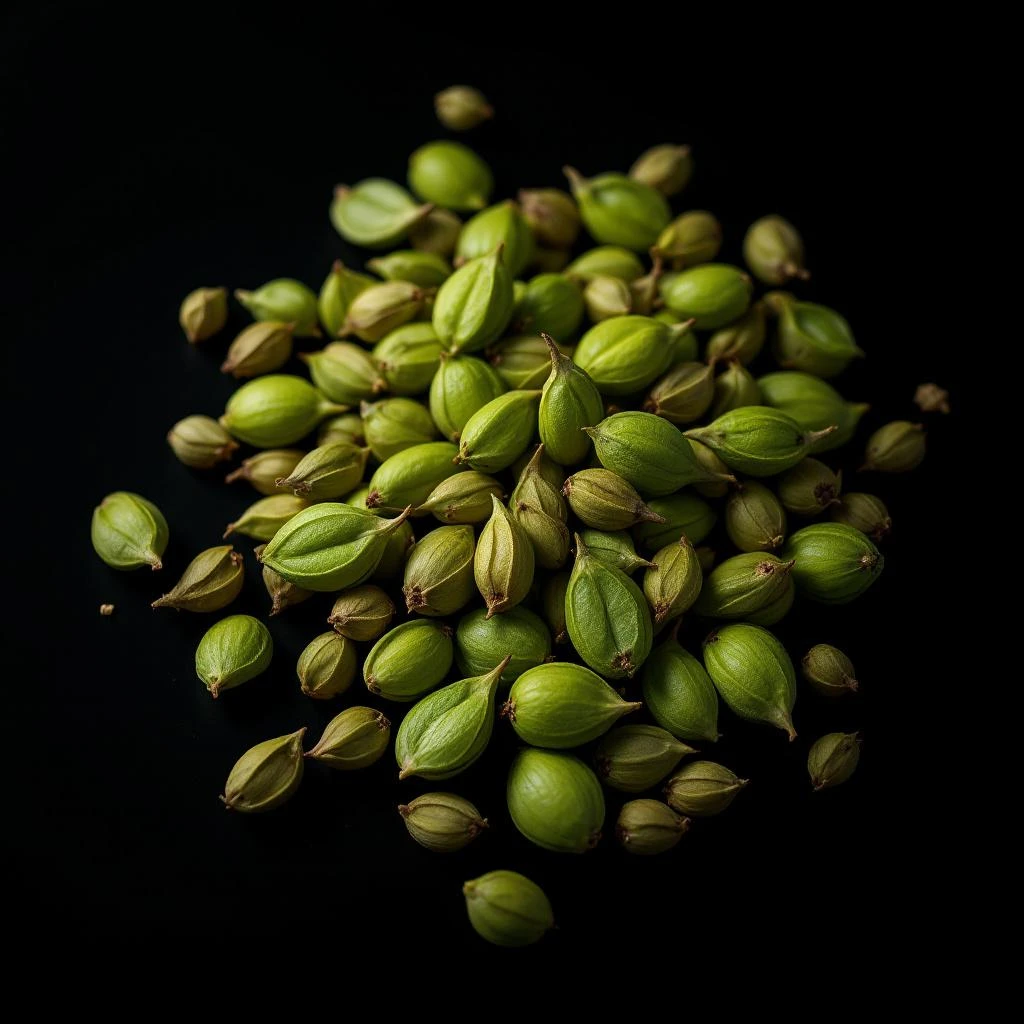
Green anise brings a signature sweet-licorice character to fragrances, defined by the compound anethole. This ancient spice note bridges culinary and perfumery traditions with a warm, aromatic intensity that captivates.
Character
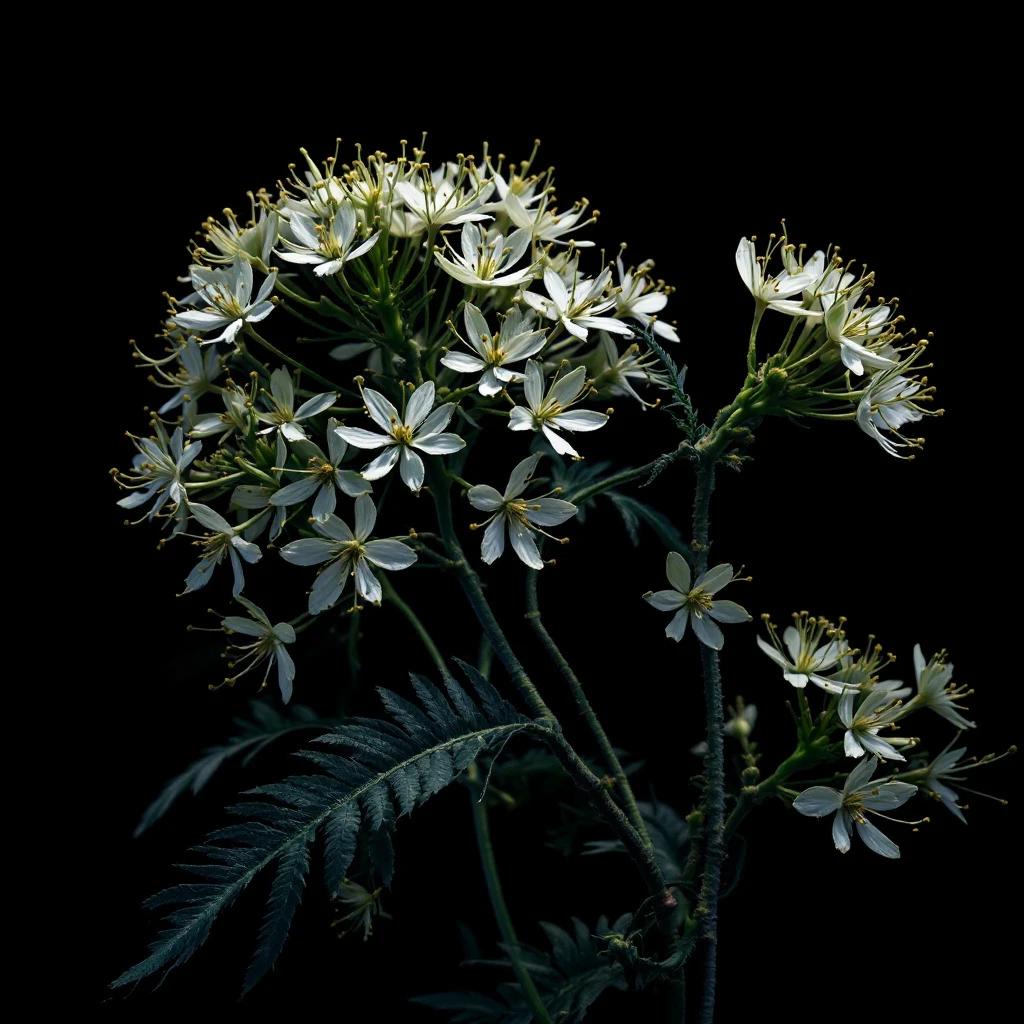
How it smells
The sweet, aromatic spice that perfumes have prized since antiquity.
Green anise shares anethole with star anise but comes from an entirely different botanical family, making them distant aromatic cousins.






Origin
Eastern Mediterranean
Green anise earned recognition in ancient Greece around the 4th century BCE, where physicians documented its digestive and aromatic properties in early medical texts. The Roman naturalist Pliny recorded its use as a breath freshener and digestive aid, noting that guests at banquets carried anise seeds to freshen breath between courses.
Roman brides traditionally carried anise-infused cakes called "mustacea" at weddings, a practice that spread throughout the empire and established the ingredient's association with celebration. Egyptian apothecaries incorporated anise into medicinal preparations for thousands of years, while Mesopotamian cultures used the seeds in sacred incense blends.
When perfumery emerged as a formalized craft in 19th-century France, anise found its place among the aromatic spice notes that gave complexity to early compositions. The absinthe movement of the late 1800s, centered on the spirit's anise-forward flavor profile, influenced perfumers to explore the ingredient's aromatic intensity in fragrances that evoked herbs, alcohol, and raw botanical energy.
Wears it best
Fragrances featuring Green Anise


Brands
Brands known for Green Anise
Good to know
Questions, answered
The essentials on Green Anise in perfumery: how it smells, where it comes from, and how it behaves on skin.
What distinguishes green anise from star anise in perfumery?
Green anise comes from the Pimpinella anisum plant native to the Eastern Mediterranean, while star anise derives from the Illicium verum tree of China and Vietnam. Both contain anethole and share a licorice-like aroma, but green anise offers a slightly sweeter, more delicate profile suitable for refined fragrance compositions.
What compound gives anise its characteristic licorice scent?
Anethole defines anise's aromatic signature. This phenylpropene compound triggers the same olfactory receptors as licorice root, creating that distinctive sweet-spicy impression that registers immediately upon application.
Is anise typically used as a top note or heart note?
Anise functions primarily as a top note in most fragrances due to its volatility, delivering immediate impact that gently evolves as the fragrance dries down. In higher concentrations, perfumers sometimes position it as a heart note for a bolder, sustained presence.
What fragrances historically showcase anise?
L'Artisan Parfumeur's Fou d'Absinthe (2006) placed anise at center stage as a green-spicy heart note, while Perfumers Workshop's Anise Anise (1978) pioneered anise as the dominant theme in a full fragrance composition.
What fragrance families pair well with anise?
Anise integrates naturally with fougère structures containing lavender and oakmoss, oriental compositions featuring vanilla and benzoin, and fresh colognes accented with citrus. It bridges the gap between aromatic herbs and sweet spices in unexpected ways.
What safety considerations affect anise use in perfumery?
IFRA guidelines restrict anethole concentrations in consumer products due to sensitization potential. Professional formulations maintain safe dilution levels, and perfumers avoid using the oil in skin-contact applications at high percentages.
Where does commercial green anise cultivation concentrate?
Turkey, Egypt, and Spain lead global production of Pimpinella anisum. The Eastern Mediterranean climate provides optimal growing conditions, and these regions supply the majority of seeds entering the fragrance supply chain.
Can anethole be created synthetically for fragrance use?
Synthetic anethole became viable through 19th-century organic chemistry advances, offering batch-to-batch consistency that natural extraction cannot guarantee. Many modern fragrances rely on synthetic anethole, though naturals retain preference among artisan houses seeking botanical complexity.