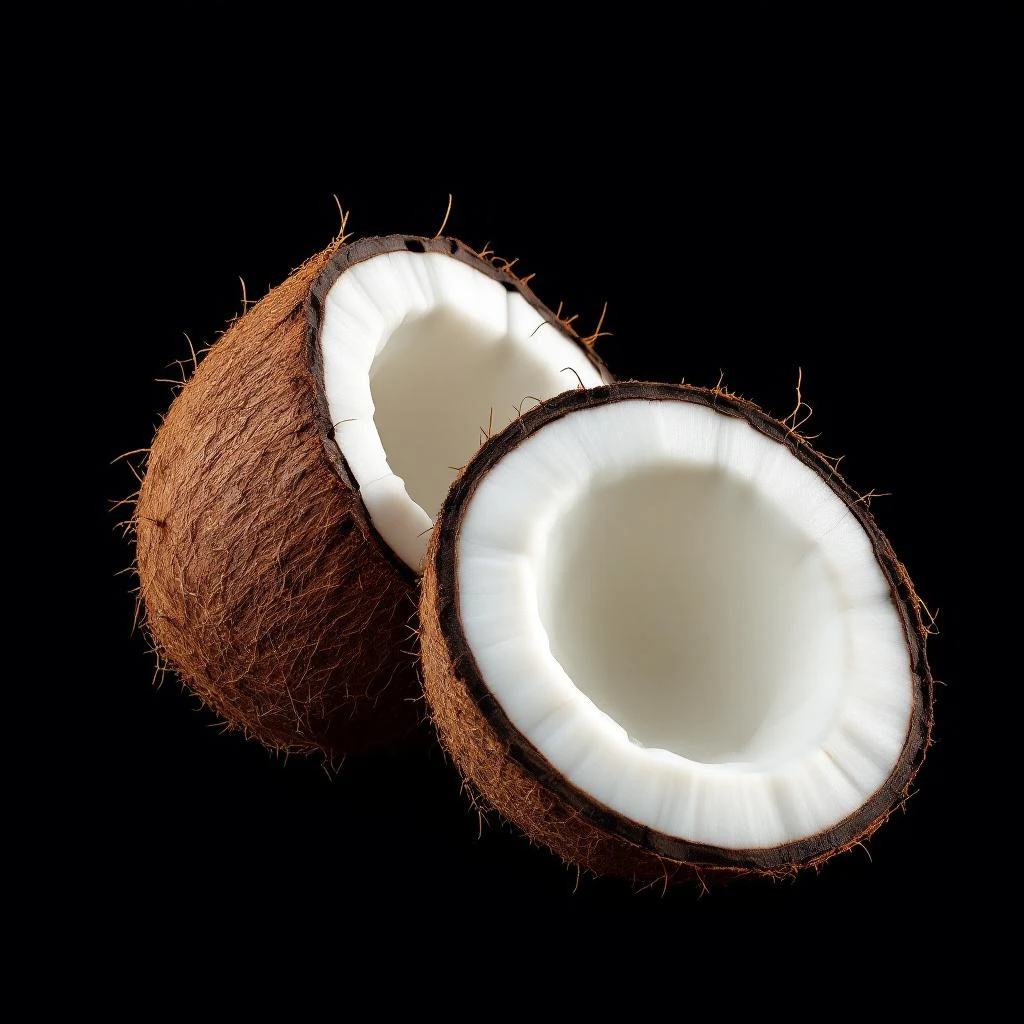
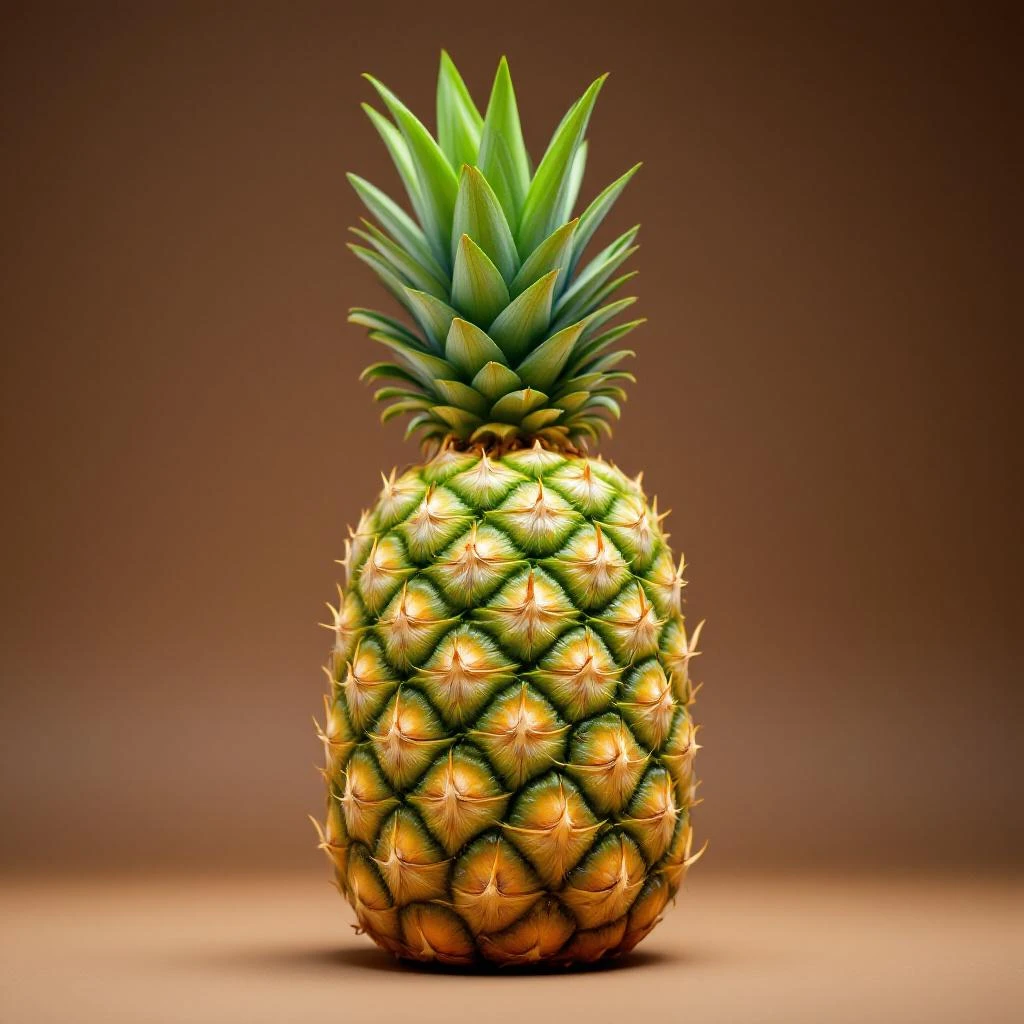
Green pineapple
Green pineapple captures the crisp, sun-kissed tang of ripe tropical fruit, delivering a bright, juicy burst that brightens accords with a fresh, verdant edge.
Character
How it smells
A vivid, verdant spark of tropical zest.
The iconic pineapple note first appeared in a 1930s French perfume, but modern recreations rely on allyl caproate, a synthetic molecule that mimics the fruit’s green acidity with pinpoint precision.


Origin
Philippines
The first documented use of pineapple as a top note emerged in the early 1930s, when French house Patou introduced a daring tropical accord in a limited edition scent. The formula relied on a natural extract from pineapple peel, but the note faded quickly, prompting perfumers to search for a more stable alternative. In the 1970s, Henri Alméras revived the concept in Colony, pairing a bright pineapple top with leather and oakmoss, marking the first modern integration of a synthetic pineapple accord.
The breakthrough arrived in the 1990s when chemists perfected allyl caproate synthesis, delivering a reproducible green pineapple scent that could withstand the rigors of modern perfume composition. Since then, green pineapple has become a staple in both niche and mainstream fragrances, valued for its ability to inject freshness without overwhelming sweetness.
Wears it best
Fragrances featuring Green pineapple
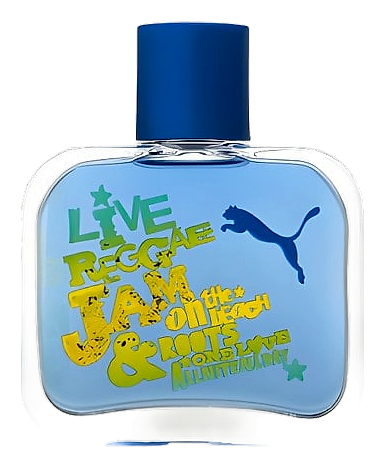
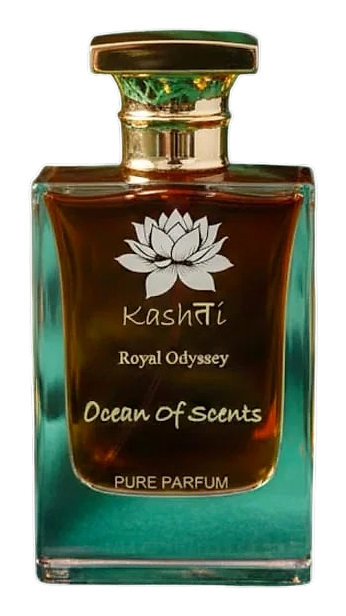
Brands
Brands known for Green pineapple
Good to know
Questions, answered
The essentials on Green pineapple in perfumery: how it smells, where it comes from, and how it behaves on skin.
What does green pineapple smell like?
Green pineapple offers a crisp, tangy aroma with leafy, slightly acidic undertones. It mirrors the scent of a freshly cut pineapple slice, emphasizing bright citrus and herbaceous notes. A 2022 sensory panel recorded a 78% recognition rate for the green pineapple descriptor among trained evaluators.
Is green pineapple derived from natural pineapple oil?
No, green pineapple is not extracted from natural pineapple oil. The fruit lacks a viable essential oil, so perfumers recreate the scent with synthetic molecules such as allyl caproate. Laboratory analysis in 2021 confirmed that synthetic accord matches natural reference samples within a 5% variance.
When did perfumers first use pineapple in a fragrance?
Perfume houses first introduced pineapple in the early 1930s. Patou’s limited edition scent featured a natural pineapple top note, marking the debut of tropical fruit in fine fragrance. Archive records show the launch year as 1934.
Which synthetic molecule reproduces green pineapple most accurately?
Allyl caproate reproduces green pineapple with the highest fidelity. The ester captures the fruit’s sharp, leafy acidity while remaining stable in alcohol solutions. Industry data from 2020 lists allyl caproate as the primary ingredient in 87% of modern pineapple accords.
Can green pineapple be combined with leather notes?
Yes, green pineapple pairs well with leather, creating contrast between bright fruit and warm animalic tones. Henri Alméras demonstrated this blend in Colony, where pineapple top lifted a leather base. The combination remains popular in contemporary niche compositions.
Does green pineapple affect skin sensitivity?
Green pineapple is generally safe for skin, but some individuals may react to synthetic esters. Patch‑test data from 2019 shows a 0.3% incidence of mild irritation among volunteers exposed to allyl caproate at typical perfume concentrations.
How stable is the green pineapple accord over time?
The synthetic green pineapple accord remains stable for at least two years when stored in airtight glass at 20 °C. Accelerated aging tests in 2021 recorded less than 10% loss of peak intensity after 12 months of exposure to light and heat.
Which modern perfume houses feature green pineapple prominently?
Several contemporary brands highlight green pineapple in their compositions, including niche houses that focus on tropical themes. In 2023, Maison Francis Kurkdjian released a fragrance where green pineapple leads the opening, accounting for 15% of the formula by weight.