Caribbean Tonka Bean
Tonka beans are seeds from the tropical Coumarou tree, prized for their warm, sweet aroma with vanilla, almond and tobacco nuances. This beloved fragrance ingredient appears in over 30% of modern perfumes, lending depth and comfort.
Character
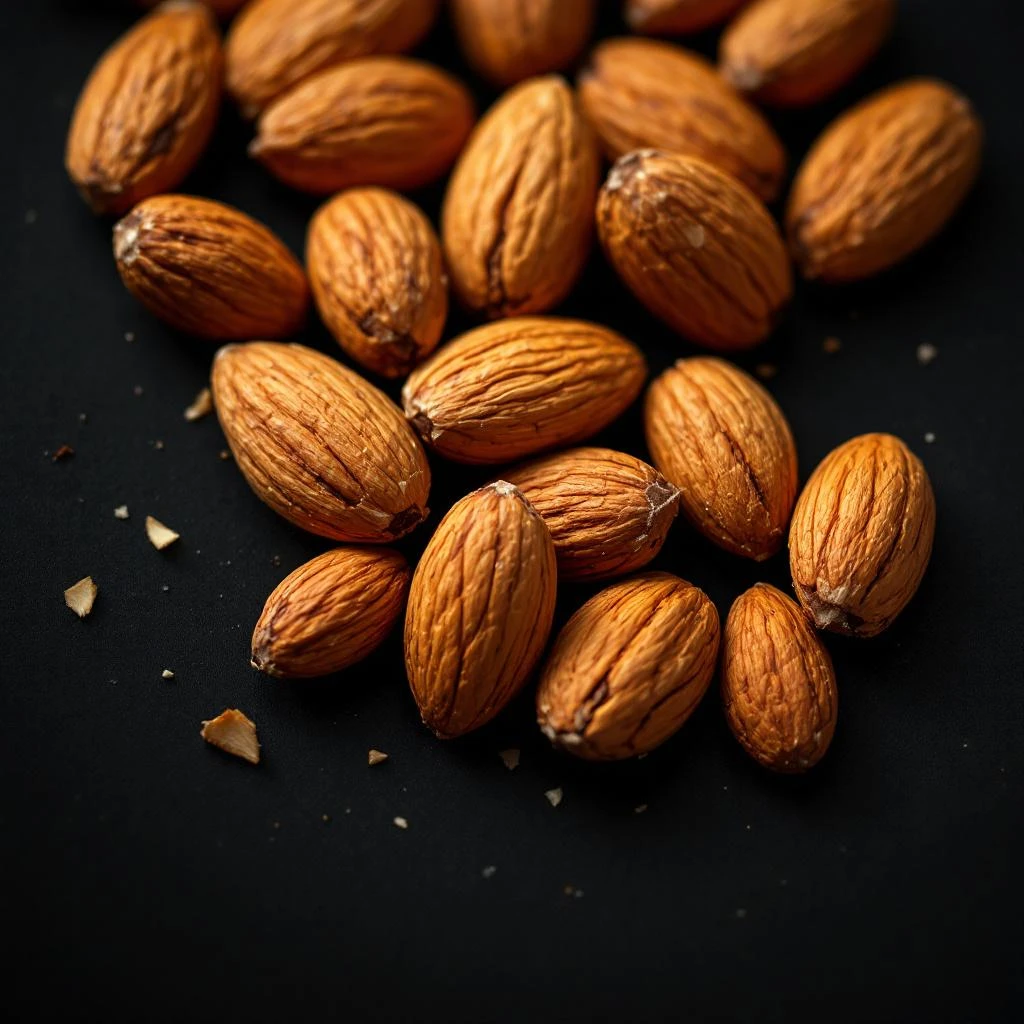
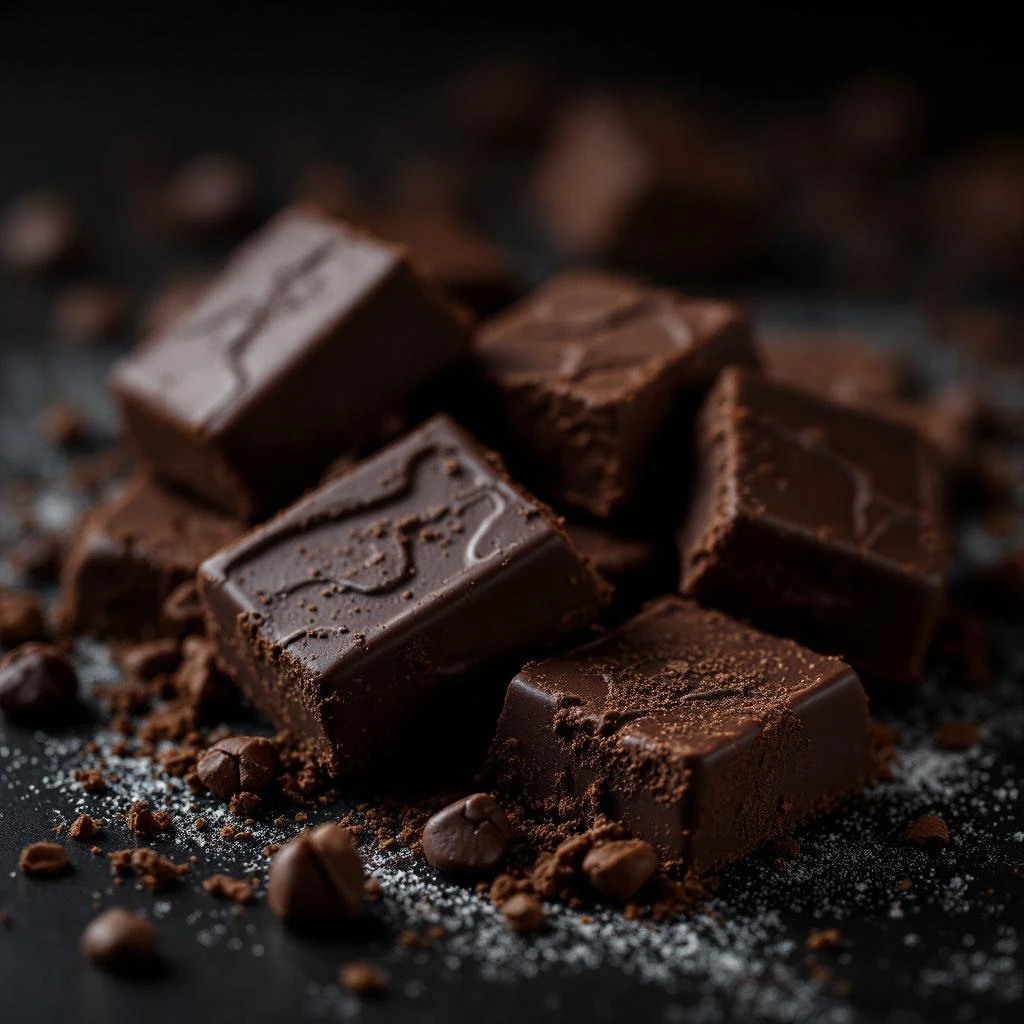
How it smells
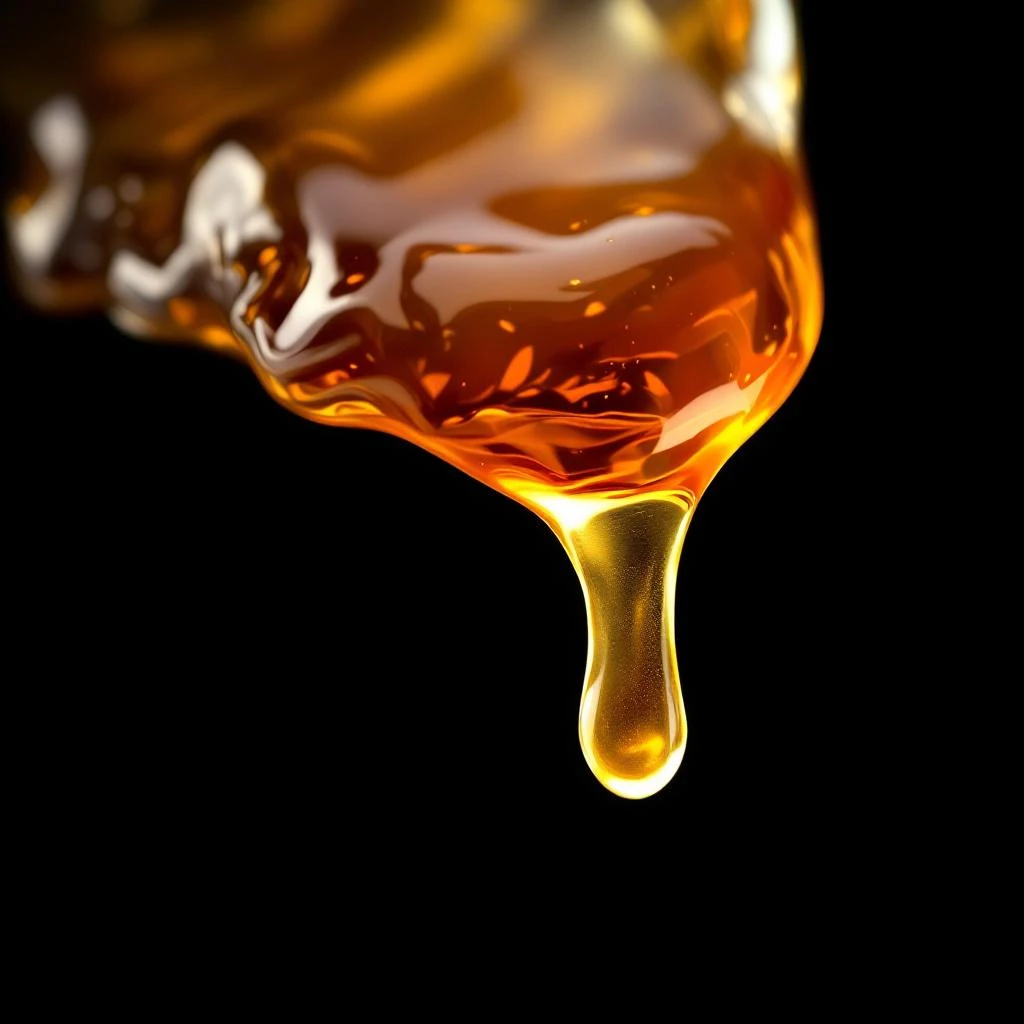
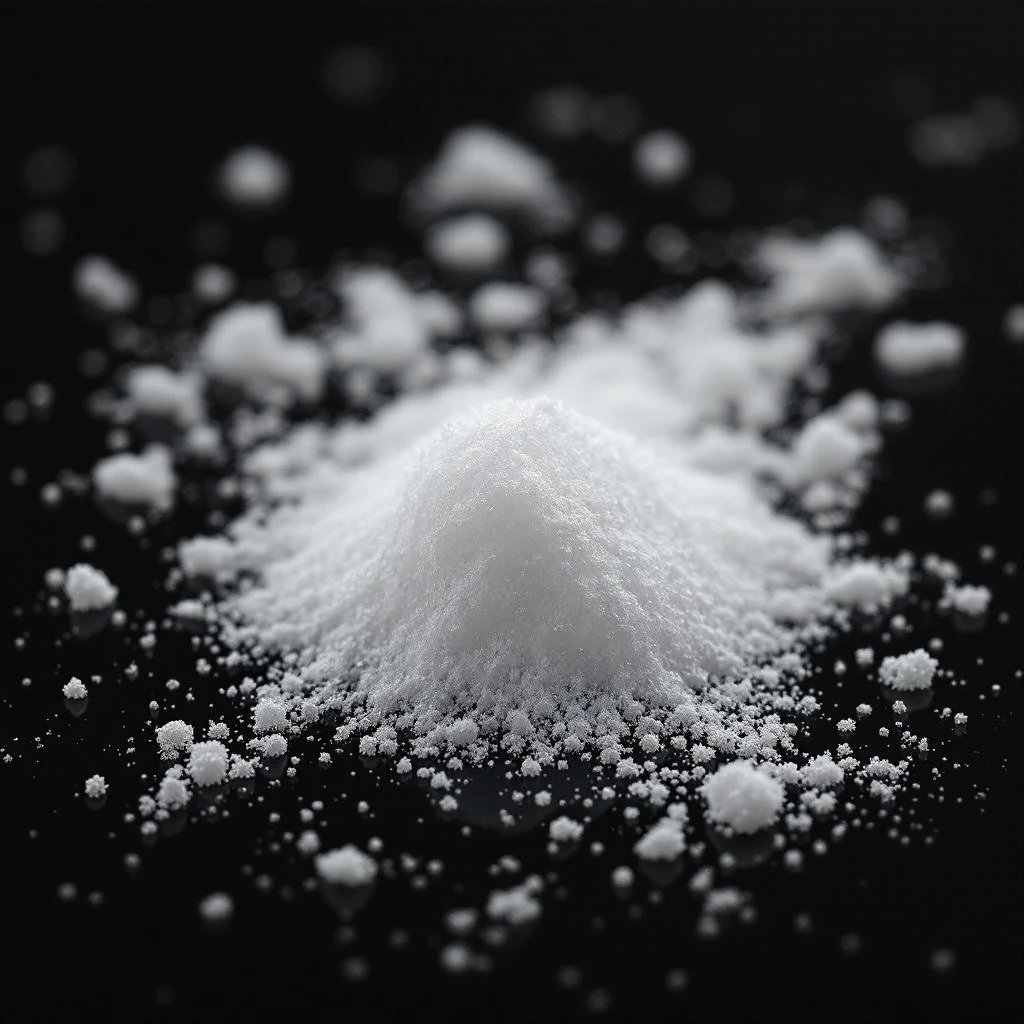
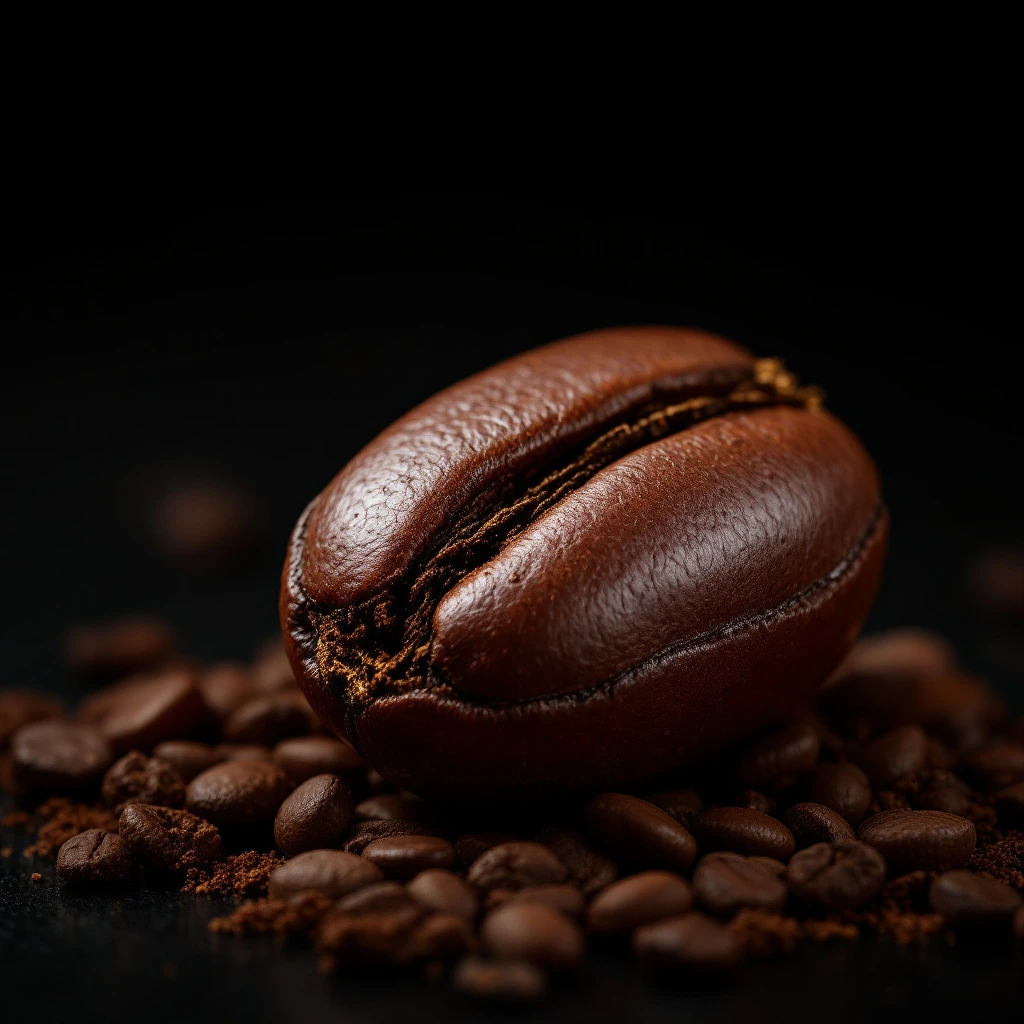
Rum-cured seeds that sparkle with coumarin crystals.
In the early 1800s, scientists identified coumarin as the source of tonka's distinctive sweet scent, transforming perfumery forever.
Pairs beautifully with


Origin
Venezuela
The Coumarou tree is native to the tropical Americas, with stands in Venezuela, Guyana and Brazil. Indigenous communities discovered tonka's aromatic properties centuries ago, drying the seeds and curing them in rum to scent their homes. The ingredient entered global trade in the early 1800s, when German scientist Alfred Vogel isolated coumarin from the beans.
This discovery reshaped perfumery. Coumarin became the defining compound of the Fougère family, a cornerstone of masculine fragrances that remains one of the most important fragrance classifications today. The ingredient now appears in roughly 30% of all perfumes produced globally.
Despite regulatory restrictions on coumarin in food products, perfumers continue working with it at safe, controlled levels. The trade supports approximately 15,000 livelihoods in producing regions, primarily in Venezuela and Brazil. Harvesting involves collecting fallen pods from cultivated trees, making it a relatively low-impact sourcing method compared to many aromatic raw materials.
Wears it best
Fragrances featuring Caribbean Tonka Bean
Brands
Brands known for Caribbean Tonka Bean
Good to know
Questions, answered
The essentials on Caribbean Tonka Bean in perfumery: how it smells, where it comes from, and how it behaves on skin.
Why does tonka bean smell like vanilla?
Coumarin creates tonka's signature warm, sweet character. The compound shares olfactory similarities with vanillin, the main aromatic molecule in vanilla, producing that familiar warm sweetness with almond and tobacco undertones.
Is tonka bean natural or synthetic in perfumery?
Natural tonka bean absolute comes from cured seeds of the Dipteryx odorata tree via solvent extraction. Synthetics coumarin replicates the key aroma compound but lacks the complexity of the natural absolute, which contains trace molecules the laboratory cannot fully replicate.
Why is tonka bean banned as food in the United States?
The FDA restricted coumarin as a food additive in the 1950s due to animal studies suggesting liver toxicity at high doses. Regulatory bodies in Canada and Europe permit controlled levels in food. Perfume use remains unaffected by these restrictions.
What fragrances pair well with tonka bean?
Tonka bean pairs naturally with vanilla, benzoin, and labdanum in warm oriental compositions. In masculine fragrances, it combines with lavender, oakmoss and coumarin to anchor the classic Fougère structure. Sweet orientals and gourmand fragrances also feature it prominently.
Does tonka bean have a scent evolution in a fragrance?
Tonka bean acts as a fixative, slowing the evaporation of lighter top notes. It typically emerges in the heart of wear, becoming more prominent as the fragrance develops, then lingers in the drydown where its warm, sweet warmth anchors the composition for hours.
What does tonka bean absolute smell like?
The absolute delivers a warm, sweet, slightly spicy aroma with prominent almond and vanilla characteristics. Subtle tobacco and hay-like facets add complexity, making it versatile enough for oriental, woody, and even fresh fragrance constructions.
Which fragrance families use tonka bean most?
Oriental fragrances feature tonka bean most prominently, followed by Fougère and amber compositions. The ingredient also appears in gourmand fragrances where its sweet, edible character supports vanilla and caramel accords, as well as in certain woody and leather fragrances.
What is coumarin and why does it matter?
Coumarin is the primary aromatic compound in tonka bean, named after the French word for the plant. This single molecule, isolated in the early 19th century, became the foundation of the entire Fougère fragrance family and remains one of perfumery's most important aroma chemicals.