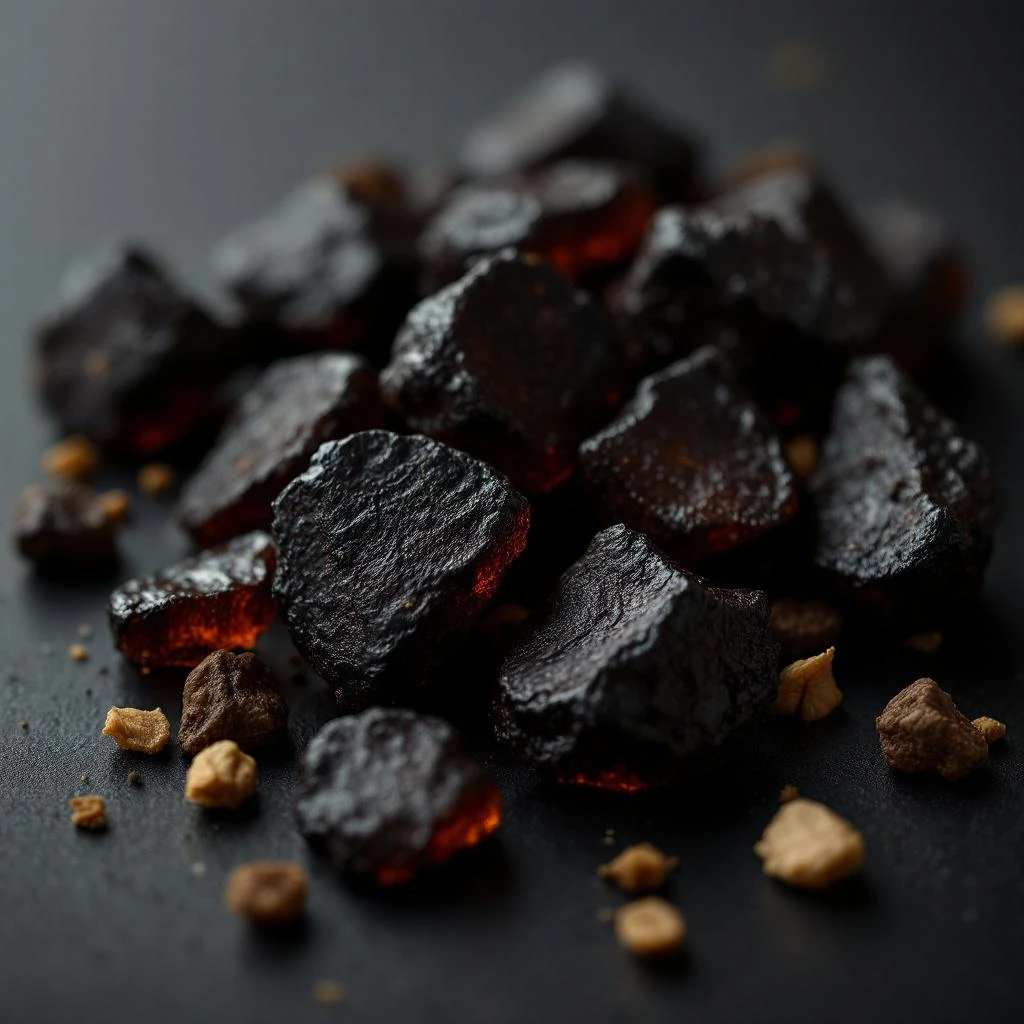
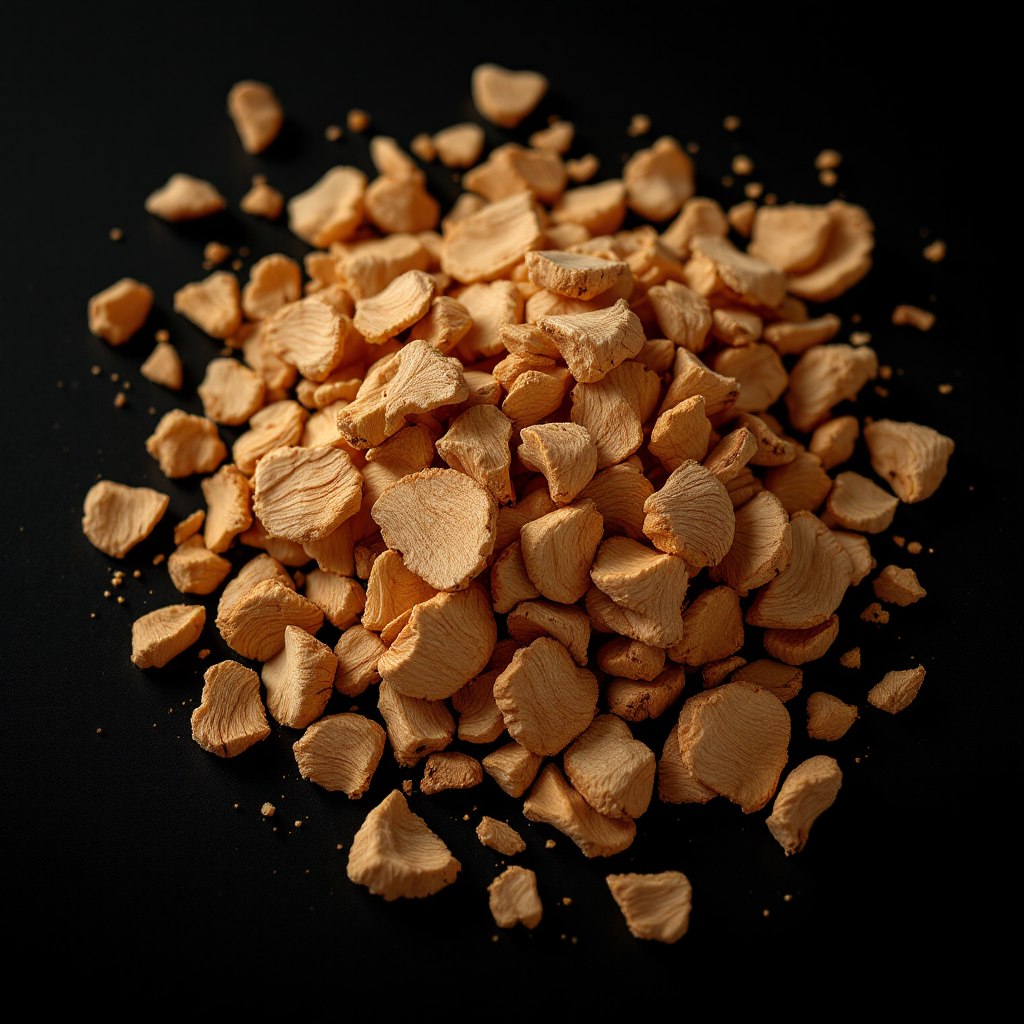
Acajou wood
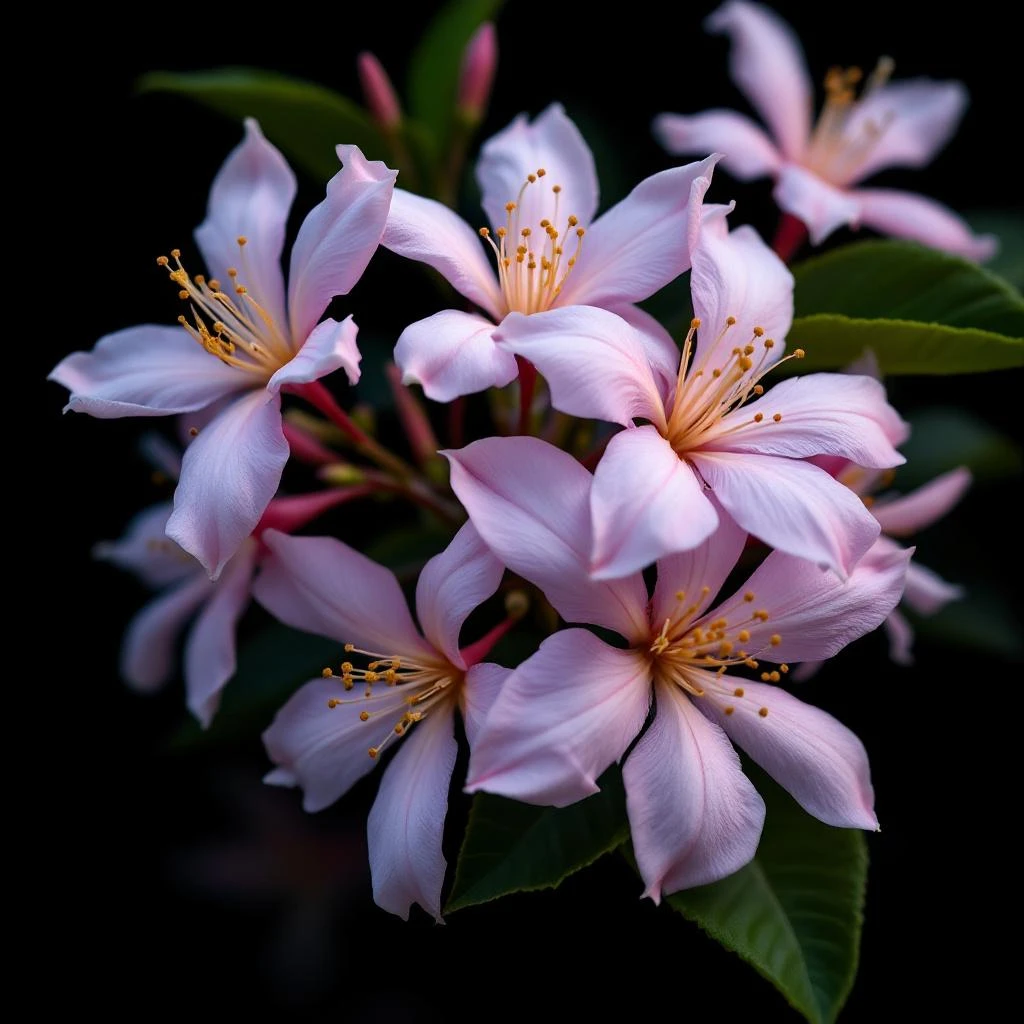
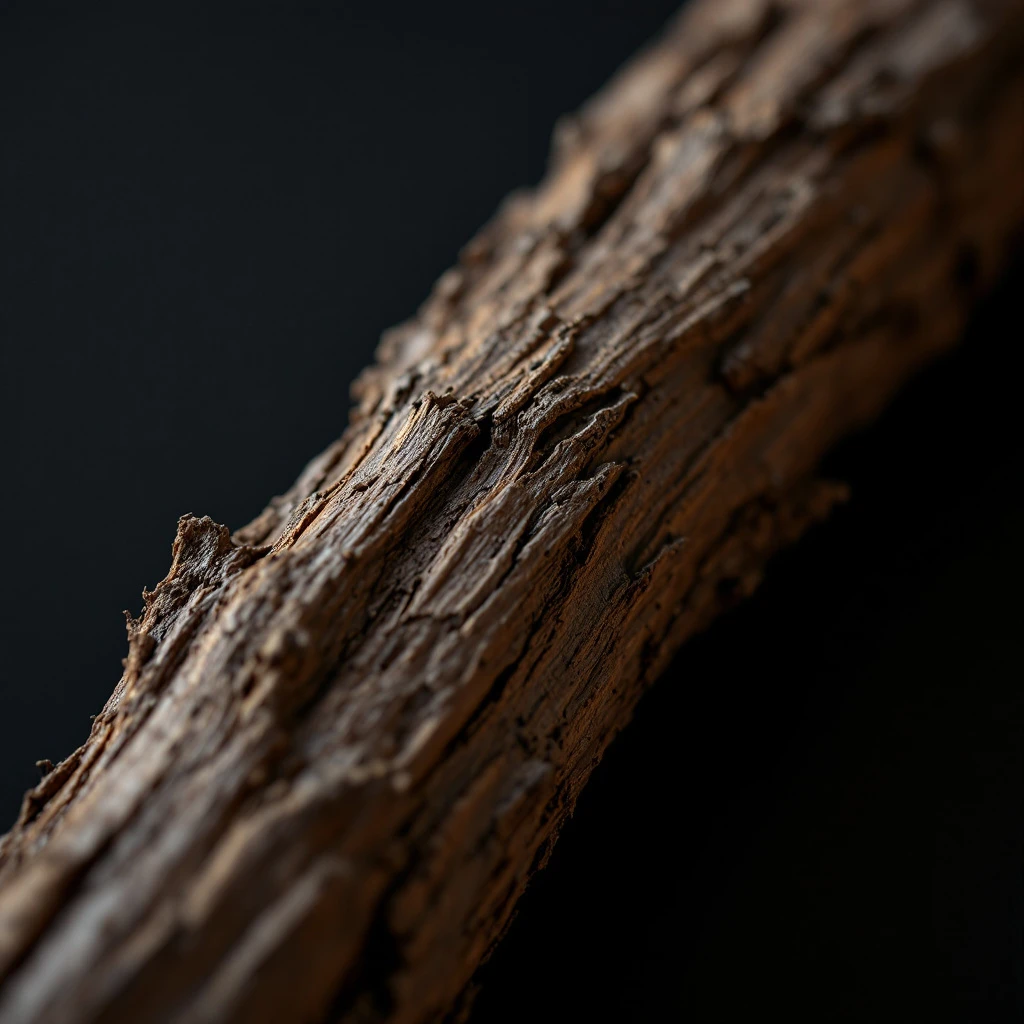
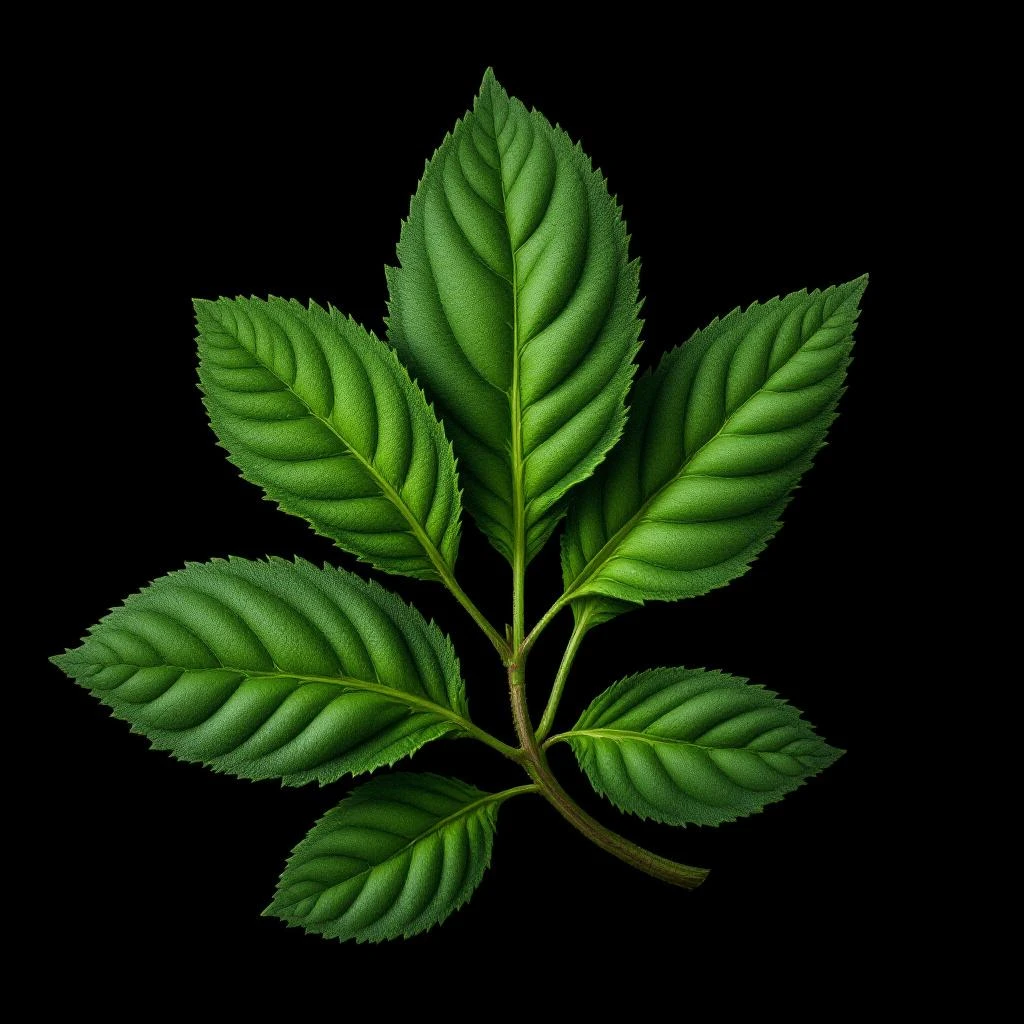
Acajou wood brings a warm, reddish depth to fragrance compositions. Sourced primarily from West African Khaya species, it lends smooth woody undertones with subtle sweetness and a quiet resinous finish.
Character
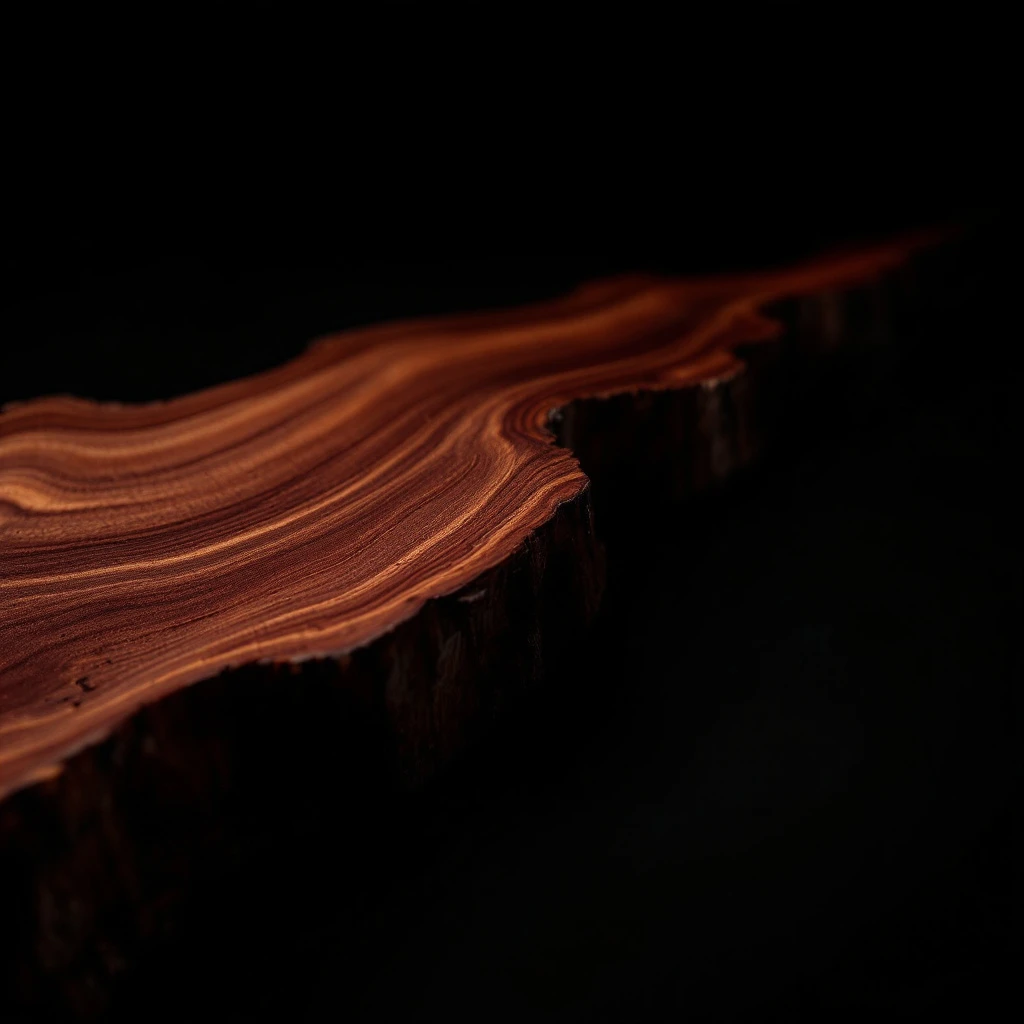
How it smells
Warm African wood with a quiet, honeyed pulse.
Acajou is the French name for mahogany, derived from the Brazilian Tupi word acajou meaning 'cashew tree,' though the perfumery material comes from African relatives, not true New World mahogany.




Origin
Senegal
Acajou wood entered European perfumery vocabulary in the early twentieth century as French houses sought alternatives to scarce Asian sandalwood and expensive guaiac. The name traveled from colonial timber trade, where acajou referred broadly to mahogany-family woods prized for furniture making since the 1700s.
African Khaya species, known locally as 'dry zone mahogany,' were logged heavily for cabinetry before perfumers recognized the softer, sweeter aromatic profile of the heartwood compared to American Swietenia mahoganies. By the 1960s, acajou oil appeared in classic masculine fougères and woody orientals, valued for its ability to round sharp amber bases without overpowering them.
The note declined through the late twentieth century as synthetic woody molecules dominated, but natural acajou has seen renewed interest from niche perfumers focused on traceable African ingredients. Today it represents both a botanical heritage and a working conversation about sustainable timber economies in West Africa.
Wears it best
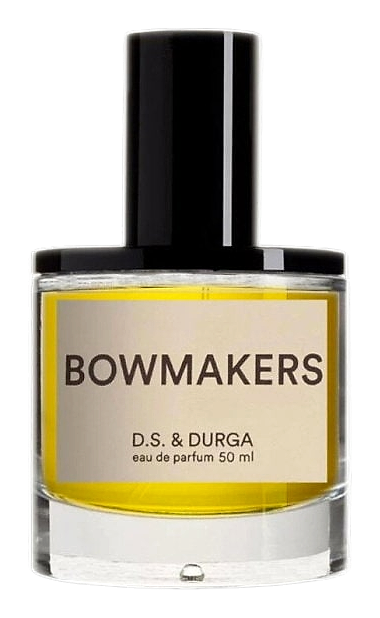
Fragrances featuring Acajou wood

Good to know
Questions, answered
The essentials on Acajou wood in perfumery: how it smells, where it comes from, and how it behaves on skin.
What does acajou wood smell like in perfume?
Acajou wood presents a warm, smooth woody scent with gentle sweetness and a faint balsamic undertone. It reads softer than cedar and less animalic than oud, making it a versatile base note in oriental and chypre compositions.
Is acajou wood the same as mahogany?
Acajou is the French word for mahogany, but perfumery acajou typically refers to African Khaya species rather than true American mahogany from Swietenia trees. Both belong to the Meliaceae family, though their aromatic profiles differ noticeably.
Where is acajou wood sourced for perfumery?
Most perfumery-grade acajou comes from West and Central Africa, particularly Senegal, Côte d'Ivoire, and Ghana. Khaya senegalensis trees supply the bulk of distilled heartwood oil used by fragrance houses today.
How is acajou wood oil extracted?
Steam distillation is the standard method, using aged heartwood chips loaded into chambers at moderate pressure for 24 to 48 hours. Some producers employ solvent extraction to capture heavier resinous fractions for base-note applications.
Is acajou wood sustainable?
Sustainability varies by supplier. Several West African sourcing programs now require forestry certification and legal harvest documentation, responding to historical concerns about over-logging of Khaya populations for timber trade.
What other notes pair well with acajou wood?
Acajou wood blends naturally with patchouli, sandalwood, labdanum, vanilla, and soft amber bases. Its rounded sweetness supports floral hearts like rose and jasmine without competing with sharper citrus or aromatic top notes.
Why is acajou wood less common than sandalwood in perfumery?
Acajou offers a subtler profile than sandalwood and never achieved the same iconic status in Western perfumery. Synthetic woody molecules also replaced many natural wood oils during the late twentieth century, reducing demand.
Does acajou wood contain allergens?
Like most natural wood oils, acajou distillate may contain trace sensitizers. Reputable suppliers publish IFRA-compliant safety data sheets, and finished fragrances formulate the oil well below regulatory threshold limits.