Cassia Bark
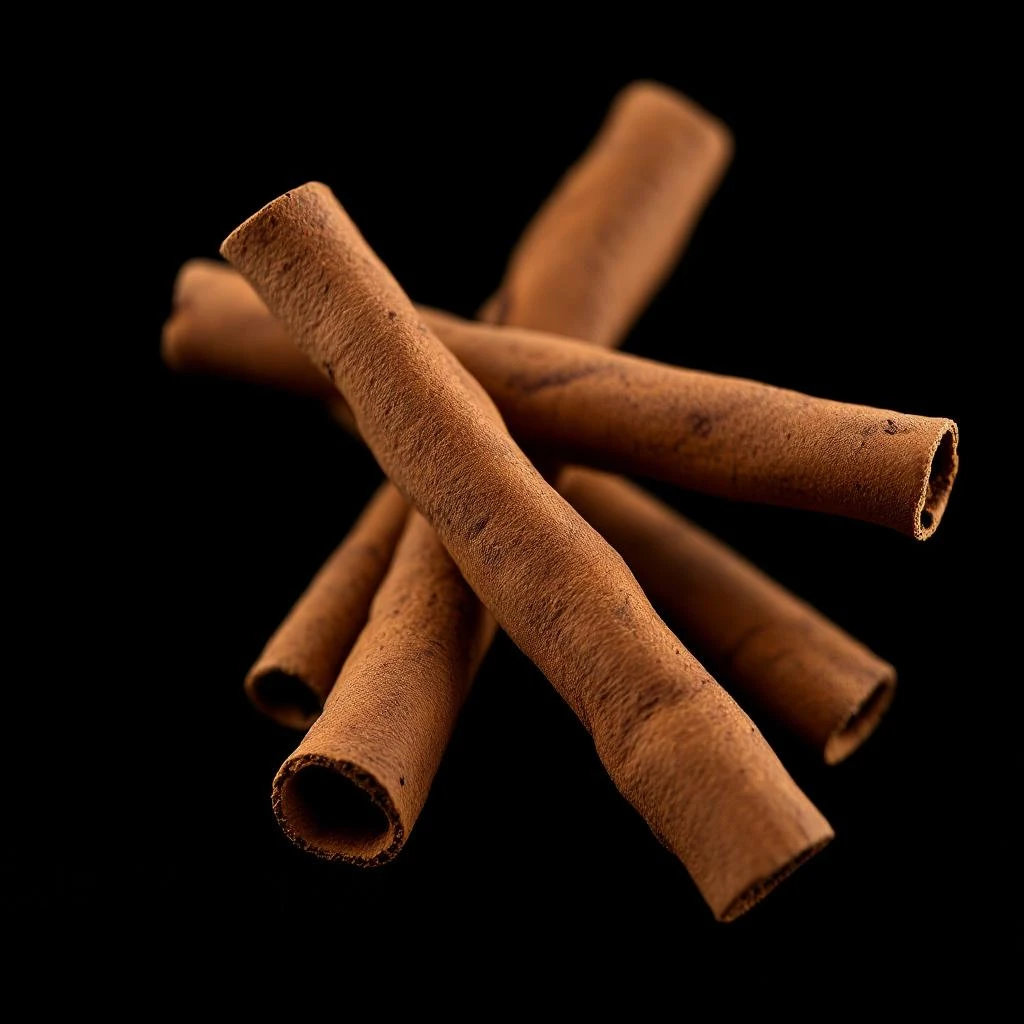
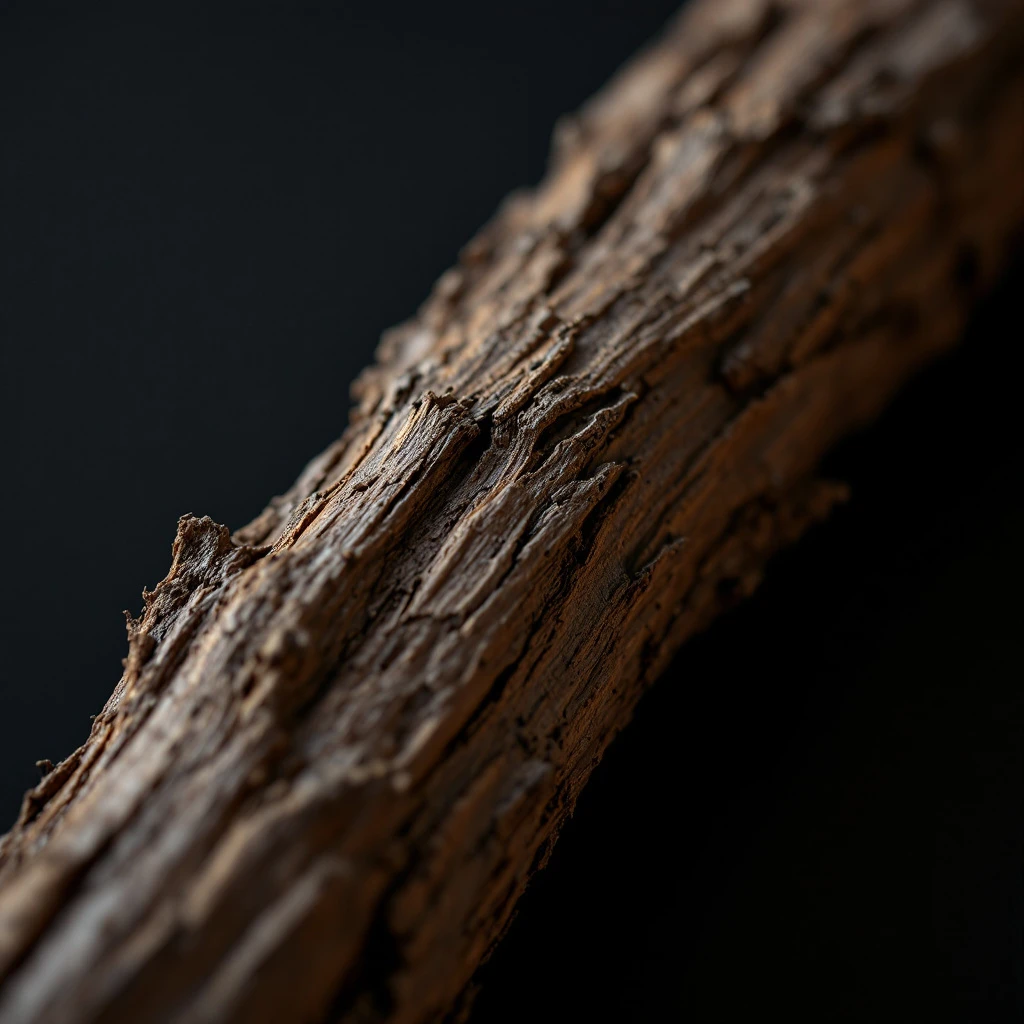
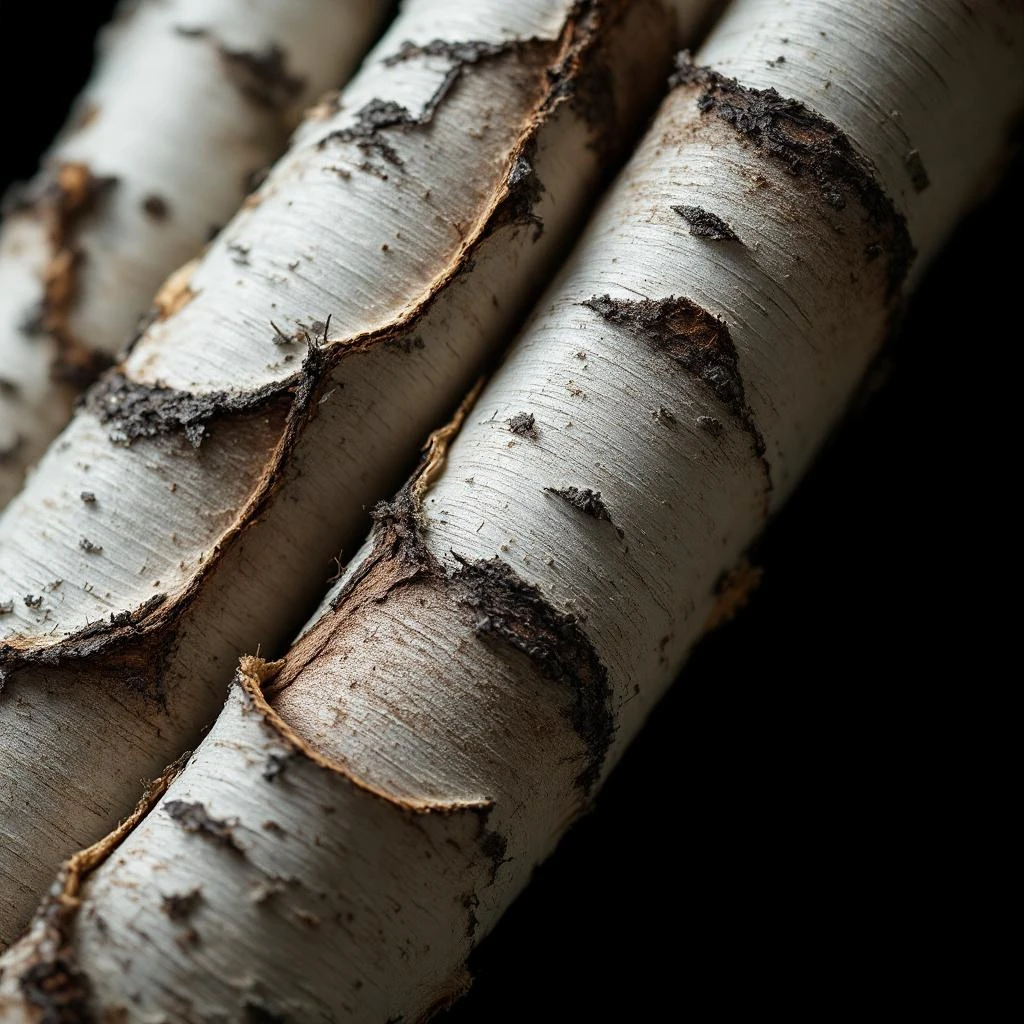
Cassia bark, derived from Cinnamomum cassia native to China and Southeast Asia, delivers a sharp, intensely spicy warmth that perfumers employ to add depth and character to oriental fragrance compositions.
Character
How it smells
Bold, fiery spice from ancient Chinese traditions.
Cassia appears in the Old Testament as a sacred incense ingredient alongside frankincense and myrrh.





Origin
China
Cassia bark carries one of the longest documented histories of any aromatic material in human civilization. Chinese pharmacopeia recorded its medicinal use as early as 2,700 BCE, establishing its role in traditional healing practices across millennia. Ancient Egyptian texts reference cassia among valued aromatics used in temple rituals and burial practices, valuing both its scent and preservation qualities.
The Bible lists cassia among the sacred spices comprising the holy anointing oil described in Exodus 30:22-25, placing it among the most prized aromatic substances of the ancient Near East. Trade routes stretching from China to the Mediterranean carried cassia alongside silk and other precious commodities, making it a commodity rivaling frankincense in value during certain historical periods. Medieval European apothecaries maintained stocks of cassia for medicinal preparations, while Arabian traders guarded distribution monopolies fiercely.
The spice became embedded in Asian culinary traditions, from Chinese five-spice blends to Indian garam masala. Its transition into Western perfumery occurred naturally as 19th-century artisans recognized that the same warming properties valued in medicine and cooking could enhance fragrance compositions. By the early 1900s, cassia oil had become a standard material for oriental-style perfumes.
Wears it best
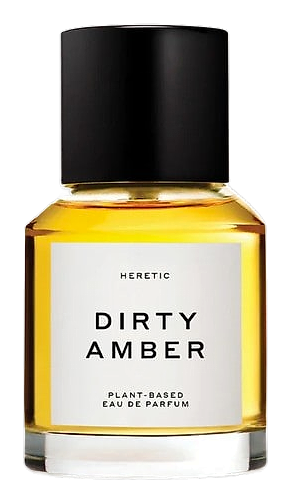
Fragrances featuring Cassia Bark
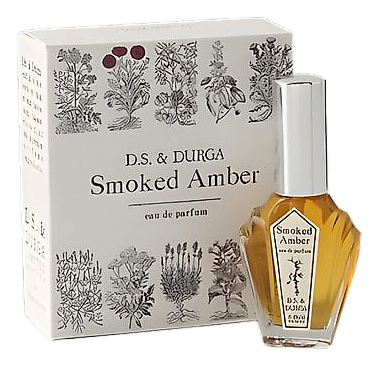
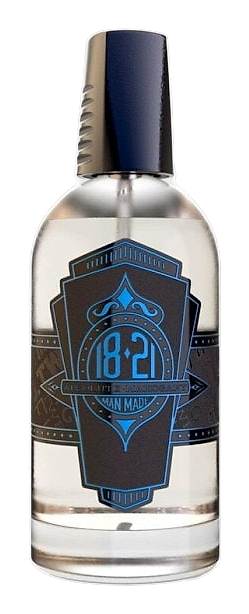
Brands
Brands known for Cassia Bark
Good to know
Questions, answered
The essentials on Cassia Bark in perfumery: how it smells, where it comes from, and how it behaves on skin.
Is cassia bark the same as cinnamon?
Cassia and cinnamon come from different but related botanical species. Ceylon cinnamon (Cinnamomum verum) from Sri Lanka offers sweeter, subtler notes, while cassia (Cinnamomum cassia) from China delivers sharper, more intense spice. Perfumery treats them as distinct materials with different olfactory profiles.
What does cassia bark smell like?
Cassia bark carries a sharp, warm, intensely spicy aroma with almost medicinal undertones. It lacks the sweet subtlety of Ceylon cinnamon, instead delivering bold warmth that perfumers use to create depth in oriental and spicy fragrance compositions.
What percentage of perfume contains cassia?
Cassia bark oil typically appears at low concentrations in fragrance formulas, usually below 1% of the total composition. Due to its high cinnamaldehyde content, IFRA guidelines restrict its maximum permitted level to ensure consumer safety.
Where does cassia bark originate?
Cassia bark comes from Cinnamomum cassia trees native to southern China, with major production also in Indonesia and Vietnam. China remains the largest global producer, with Guangxi and Guangdong provinces serving as primary cultivation areas.
How long has cassia been used in perfumery?
Cassia has been used in perfumery since antiquity. Historical records document its use in ancient Egyptian temple incense and biblical sacred oils, with continuous use in Western perfumery dating to at least the early 19th century for oriental fragrance creation.
What blends well with cassia bark?
Cassia bark pairs naturally with other warm spices like clove, nutmeg, and vanilla. In perfumery, it combines well with woody notes such as sandalwood and cedar, resinous materials like benzoin and labdanum, and amber bases for oriental fragrance structures.
Is cassia bark safe for skin application?
Cassia bark oil requires careful handling due to cinnamaldehyde content, which may cause skin sensitization. IFRA guidelines limit its use in consumer products, and perfumers typically employ it at low concentrations with proper dilution.
Why is cassia used instead of other spices?
Cassia offers exceptional intensity and warmth at low concentrations, making it cost-effective for perfumery. Its sharp, spicy character provides olfactory impact that blends well with oriental base notes, creating fragrances with lasting warmth and character.