The Story
Why it exists.
The beginning
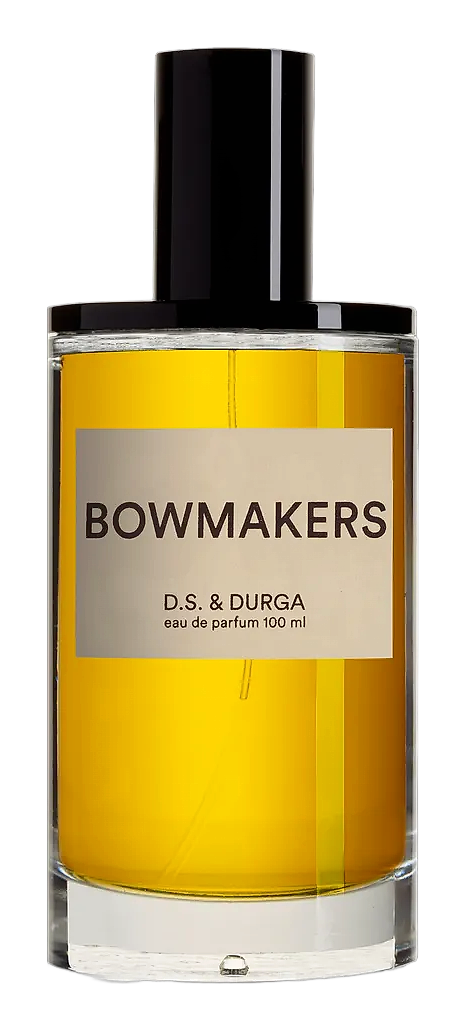
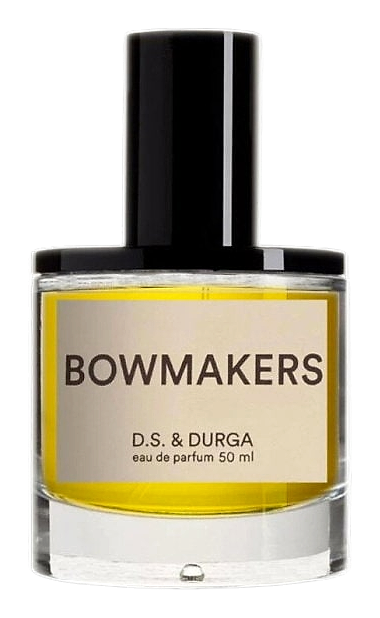
David Seth Moltz composed Bowmakers from the inside of an 1800s violin workshop. Not the finished instrument. The raw, resinous space where it was made. Mahogany, pine rosin, the ambered tang of varnish curing on wood, the kind of smell that clings to a craftsman's coat and stays there long after the workday ends. Moltz builds scents as compositions translating specific atmospheres into olfactory form, and Bowmakers is one of his most literal works: not a violin, but the room that made one. Every material is named for what it evokes, from violin varnish and air accord at the top to tree resin, cedar, and moss in the drydown. The construction feels deliberate, almost architectural.
What separates Bowmakers from a standard woody fragrance is the unusual choice to build the composition around craft materials rather than perfumery's usual lexicon. Violin varnish, colophony, pine tar. These aren't standard accord names. They're industrial references from luthiery, rendered olfactory. The result reads less like a cologne and more like a place, dense with the smell of cured wood, heated resin, and the ambient dust of a workshop where the same hands have shaped the same objects for decades. The maple and mahogany don't function as 'woody notes' here. They reference the specific tonewoods a violin maker would have on the bench.
The evolution
The first ten minutes belong to the varnish. Bright, resinous, slightly sharp, like the chemical tang of shellac meeting wood. Mahogany and that thin, almost ozonic air accord lift it, keep it from feeling too heavy too soon. Around the 30-minute mark, the heart settles in. Pine tar and colophony arrive together, sticky and warm, and the mahogany underneath goes from raw timber to something closer to furniture. The cypress adds a dry green edge that keeps the whole thing from turning syrupy. An hour in, it's all amber and resin, and the moss finally surfaces, giving the base a cool, earthen floor. On skin, the arc runs long, easily past a working day, with the composition shifting through its phases rather than simply fading. On fabric, it holds even longer. The next morning, what clings to a scarf is mostly cedar and a whisper of moss, dry and quiet. The varnish is gone.
Cultural impact
Bowmakers rewards wearers who treat fragrance as referential rather than decorative. You don't wear it to be noticed from across the room. You wear it to notice it yourself, close to the skin, the way you'd lean into a workshop doorway to catch a particular smell. The scent reads less like a fragrance and more like a location, and that shift in expectation is what defines its appeal. The composition trades broad accessibility for specificity. There's no sweetness to soften the resinous edges, no fruit to round out the varnish.