Pine Tar
Pine tar is a dense, viscous material produced through the dry distillation of pine wood. In perfumery it functions as a powerful fixative and base note, lending deep smoky, resinous, and medicinal character to masculine and woody compositions. Its ability to evoke campfire smoke, leather, and forest floors makes it distinctive among aromatic materials.
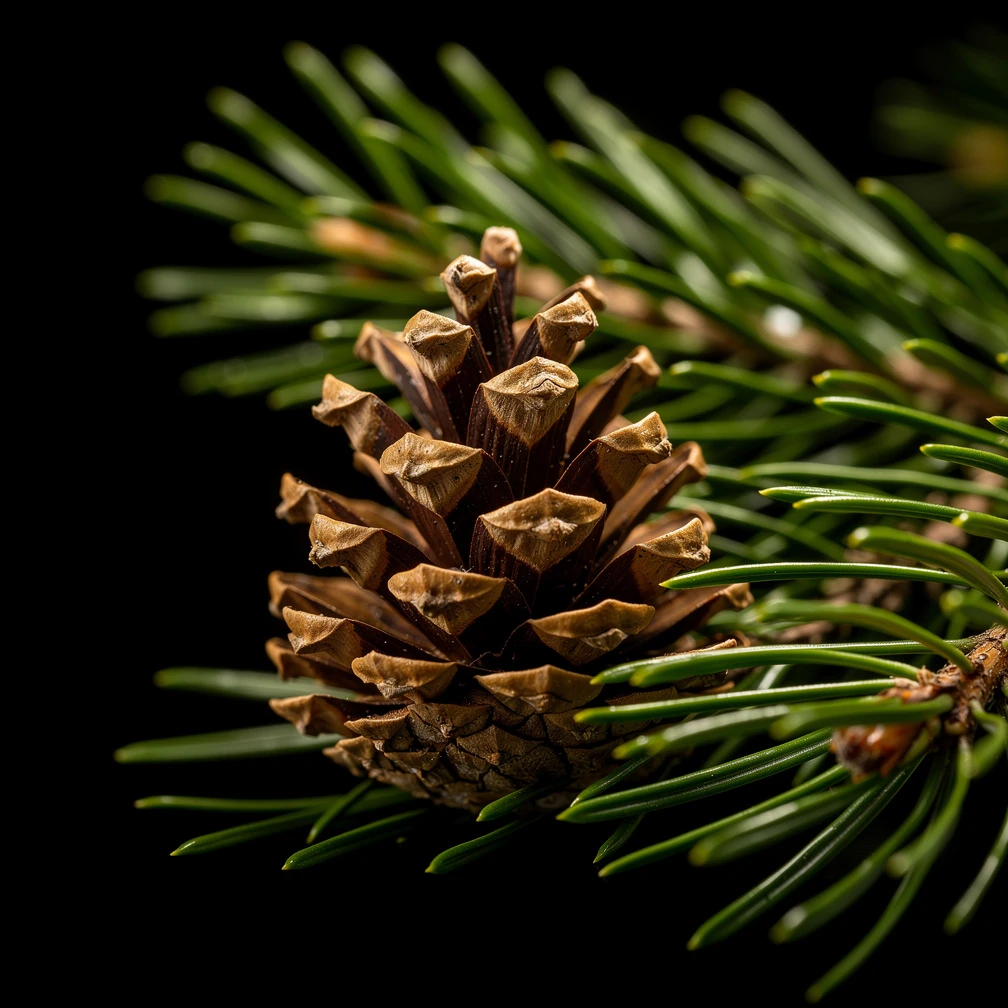
Character
How it smells
Ancient smoke and resin, capturing the soul of deep forests.
Archaeological evidence from Neanderthal sites in Italy dates birch tar production to at least 200,000 years ago, predating Homo sapiens entirely in their use of aromatic materials.







Origin
Sweden
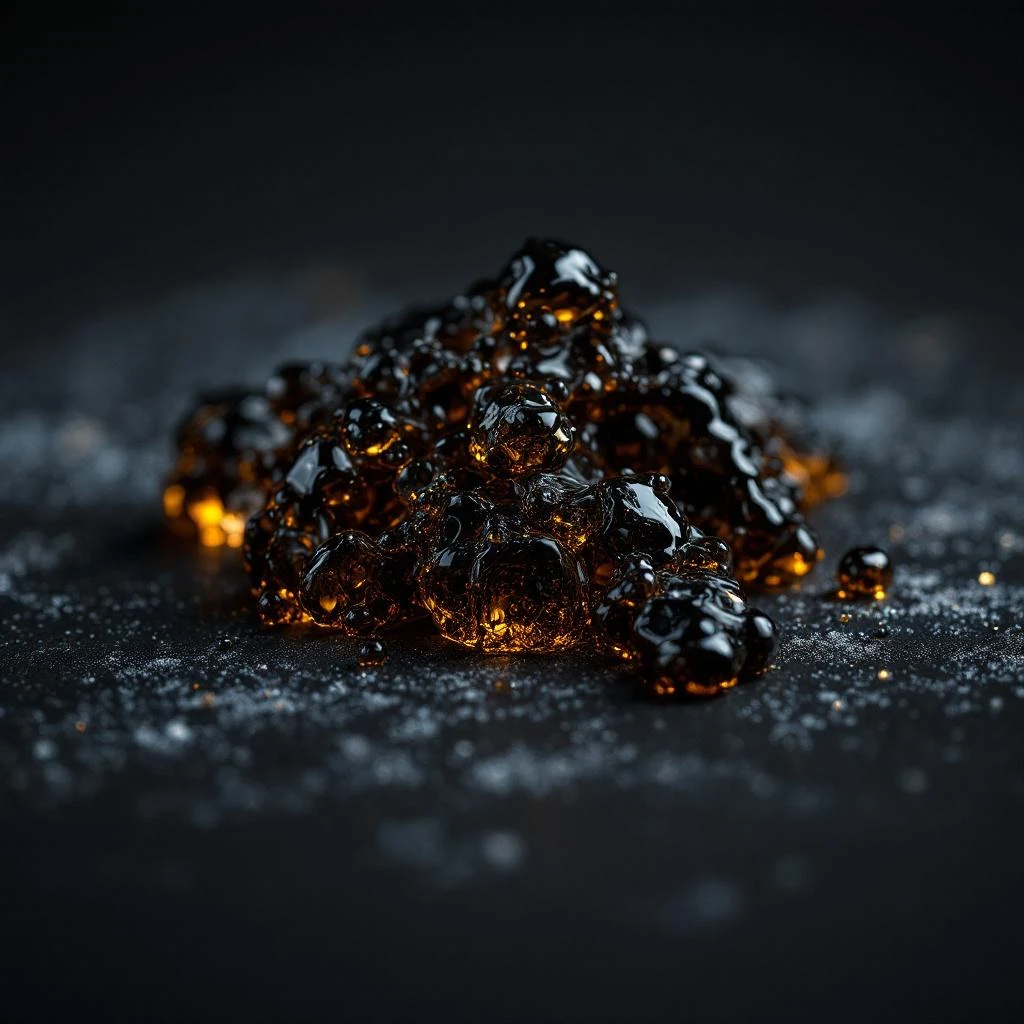
The use of pine tar stretches back further than recorded civilization. Archaeological discoveries at Neanderthal sites in Campitello, Italy, reveal birch tar production at least 200,000 years ago, suggesting our ancestors discovered aromatic materials before developing language. Scandinavian cultures later elevated pine tar to an essential industry.
Vikings used it to waterproof ships and seal wooden hulls, while sailors rubbed it into rigging to protect against rot and weather. This maritime tradition embedded pine tar into the identity of coastal communities across Sweden, Norway, and Finland. Traditional medicine practitioners valued pine tar for its antiseptic properties, incorporating it into salves and tinctures.
By the 19th century, perfumers began isolating its aromatic qualities, discovering that even trace amounts could impart remarkable depth and longevity to fragrance compositions. Today, Scandinavian pine tar remains a benchmark of quality, with producers maintaining traditional methods passed through generations.
Wears it best
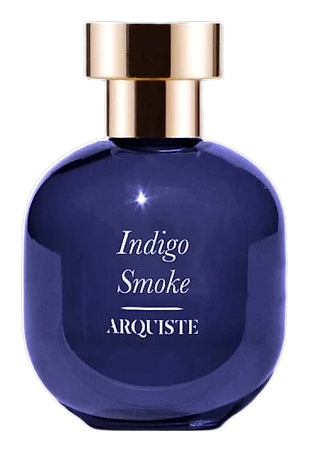
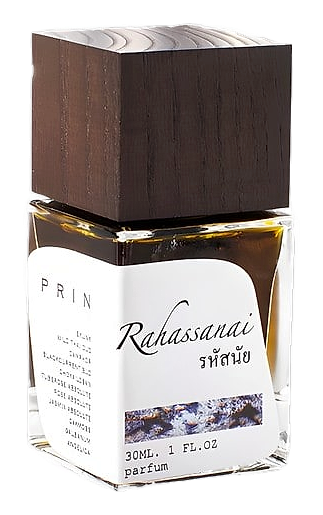
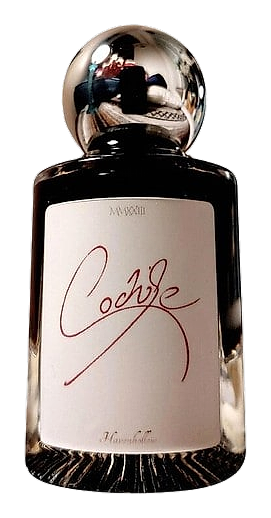
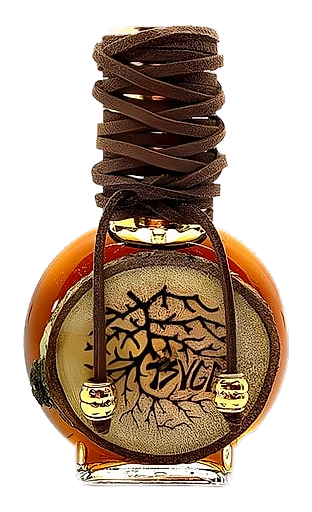
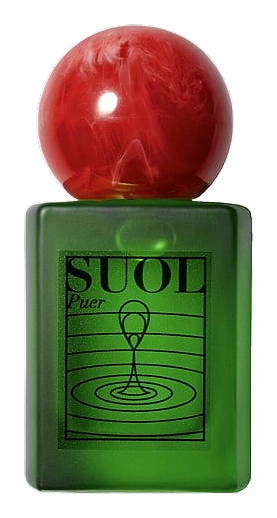
Fragrances featuring Pine Tar


Brands
Brands known for Pine Tar
Good to know
Questions, answered
The essentials on Pine Tar in perfumery: how it smells, where it comes from, and how it behaves on skin.
What does Pine Tar smell like in perfume?
Pine tar in perfume delivers an intense smoky aroma reminiscent of burning wood, combined with medicinal, leathery, and damp earth notes. The effect evokes campfires and wet forest floors. It performs as a powerful base note that lingers throughout wear, typically requiring only small amounts to achieve its characteristic effect.
Why is Pine Tar used in perfumery?
Pine tar serves as both a fixative and a distinctive aromatic material in perfumery. Its high concentration of phenolic compounds slows evaporation of more volatile components, extending fragrance longevity on skin. Fragrances using pine tar gain depth and a rugged, nature-forward character that appeals to consumers seeking masculine and woodland-inspired compositions.
Is Pine Tar in perfume natural or synthetic?
Pine tar is a natural ingredient, extracted through dry distillation of pine wood without chemical synthesis. The material contains hundreds of naturally occurring compounds including guaiacol, creosol, and various terpenes. However, synthetic replacements designed to mimic its smoky character exist in modern perfumery, so ingredient listings should be checked for natural designations.
What famous perfumes contain Pine Tar?
Pine tar appears in numerous masculine fragrances, particularly those with woody, smoky, or leather themes. Many Scandinavian-exclusive and artisan perfumes highlight pine tar as a signature ingredient. High-end niche houses often incorporate it for authenticity in forest and outdoor-inspired compositions. Exact formulas remain proprietary, but pine tar commonly appears in concentrations below 5%.
Is Pine Tar a top note, heart note, or base note?
Pine tar functions exclusively as a base note in perfumery. Its high molecular weight and low volatility mean it emerges only after lighter top notes dissipate, typically 30 minutes into wear. Once present, it persists for hours due to its excellent fixative properties. This late development adds depth and grounding to fragrance structures.
What notes pair well with Pine Tar in perfume?
Pine tar harmonizes naturally with other woody materials including cedar, birch, and vetiver. Smoky accords like oud and lapsang souchong tea complement its campfire character, while leather and tobacco amplify its rugged qualities. Fresh contrasts come from juniper berry, cypress, and maritime notes that balance its darkness.
How is Pine Tar extracted?
Pine tar extraction uses dry distillation, heating pine wood in sealed retorts at temperatures between 400 and 700 degrees Celsius without oxygen present. This carbonization releases tarry compounds from the wood structure, which condense into liquid form upon cooling. Scandinavian producers have refined this method over centuries, with traditional kilns still operating in Sweden and Finland.
Is Pine Tar used in men's or women's fragrances?
Pine tar appears predominantly in masculine fragrances, comprising roughly 80% of its perfume applications. However, certain high-end and niche houses incorporate it in gender-neutral compositions seeking raw, natural character. The ingredient's smoky, medicinal qualities align with masculine fragrance trends, though its versatility allows for unexpected use in unisex and even feminine compositions.