
The Story
Why it exists.
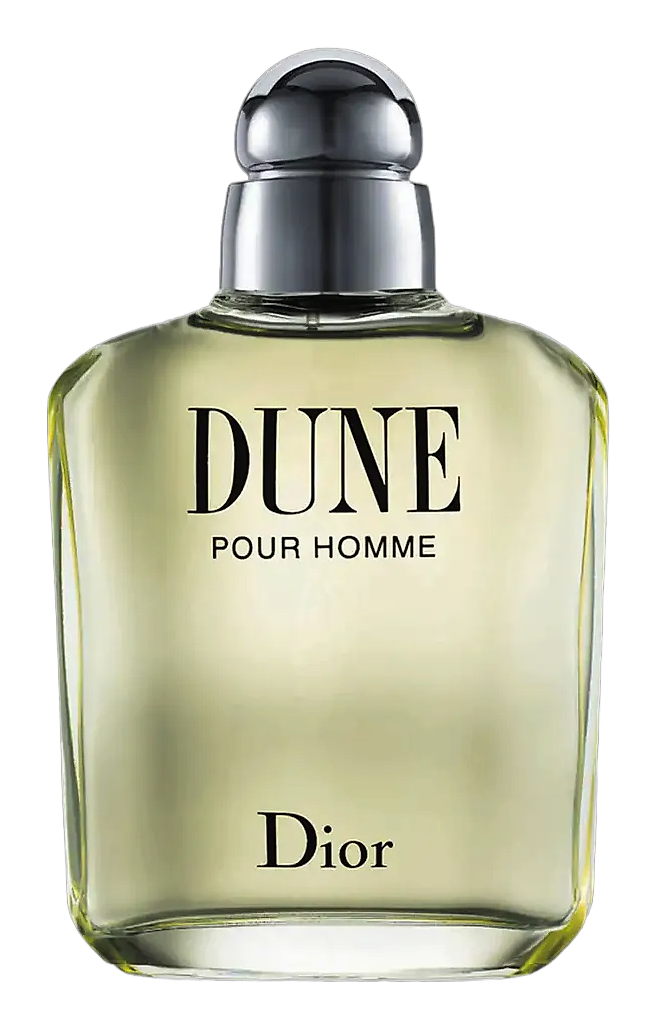
Launched in 1997 by perfumers Olivier Cresp and Jean-Pierre Bethouart, Dune Pour Homme draws on an unusual combination of materials to create its signature character. The fragrance was described as drifting between serenity and escape, a tension that Cresp and Béthouart built around: the familiar comfort of green, Mediterranean vegetation against the restlessness of open sky and shifting light. Both perfumers had extensive experience with farnesol-rich materials and green compositions, and Béthouart was particularly known for his work with rose and woody materials. The interplay between these different material families gives the fragrance its distinctive character. Fig became the anchoring note, but it is not the bright, fleeting fig of typical fresh masculine fragrances.
If this were a song
Community picks
Les day-trippers
Gorillaz
The Beginning
Launched in 1997 by perfumers Olivier Cresp and Jean-Pierre Bethouart, Dune Pour Homme draws on an unusual combination of materials to create its signature character. The fragrance was described as drifting between serenity and escape, a tension that Cresp and Béthouart built around: the familiar comfort of green, Mediterranean vegetation against the restlessness of open sky and shifting light. Both perfumers had extensive experience with farnesol-rich materials and green compositions, and Béthouart was particularly known for his work with rose and woody materials. The interplay between these different material families gives the fragrance its distinctive character. Fig became the anchoring note, but it is not the bright, fleeting fig of typical fresh masculine fragrances.
The Fig Tree Bark in the heart separates this fragrance from many green-fresh flankers in the masculine market. Rather than appearing as a brief top-note device that clears quickly, the bark arrives as a heart material, positioned closer to the wood than the fruit, carrying a resinous, slightly bitter quality that anchors the fragrance for hours. Pairing Fig Tree Bark with Rose is an unconventional choice on paper, since the bark is resinous while the rose is florist-warm.
The Evolution
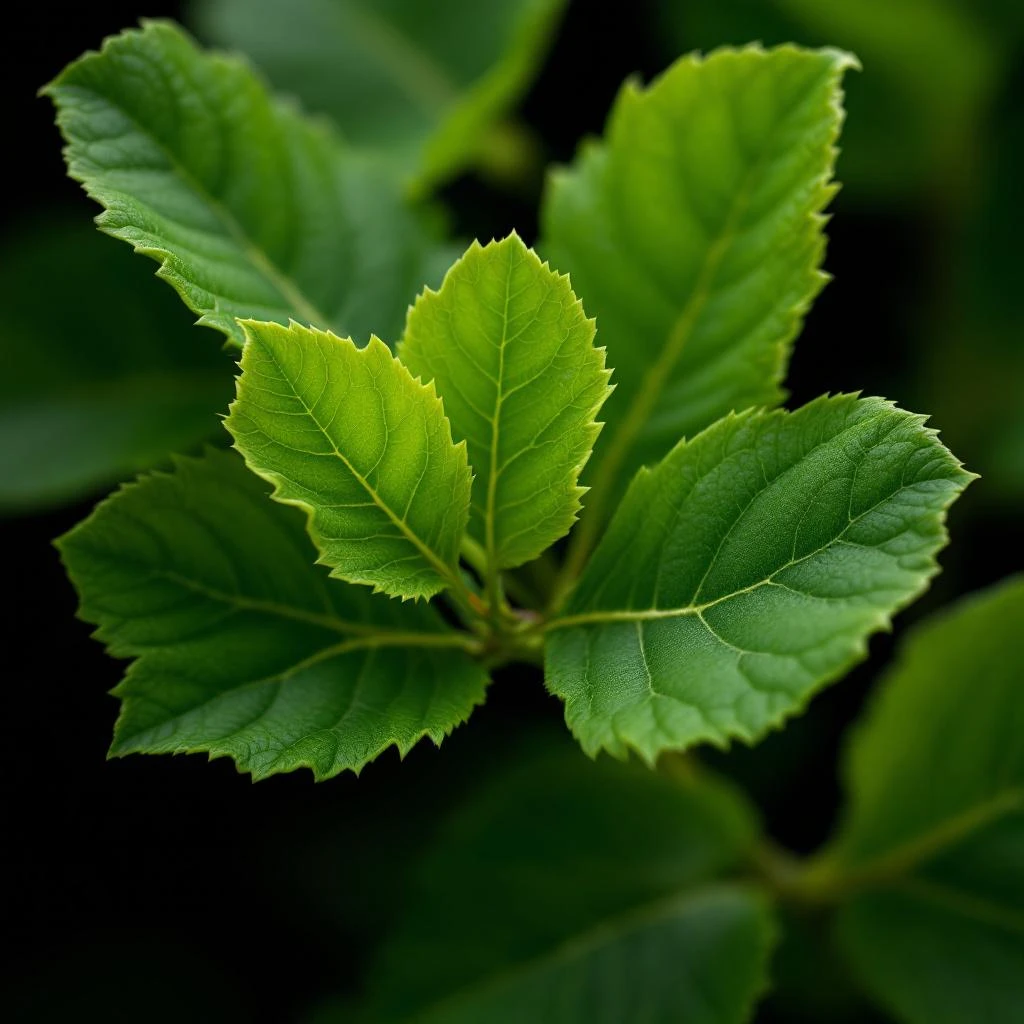
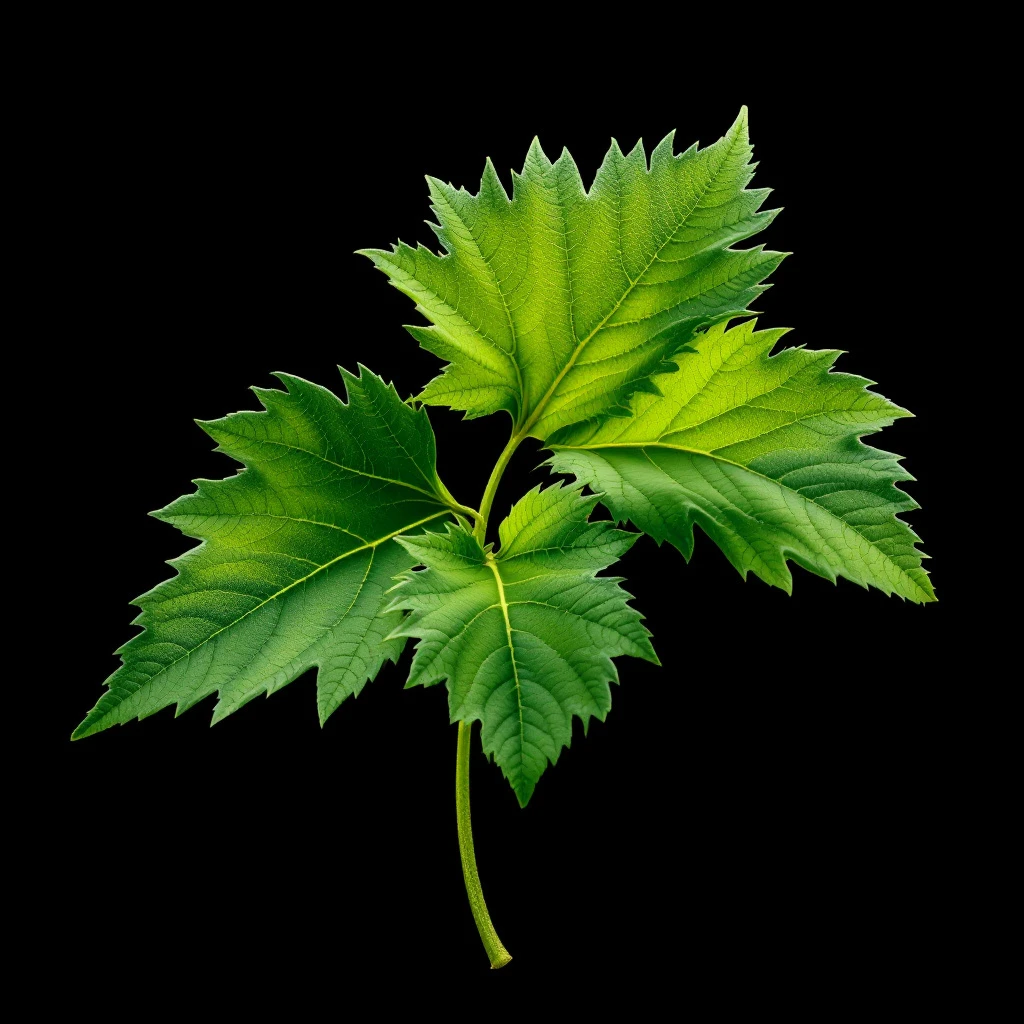
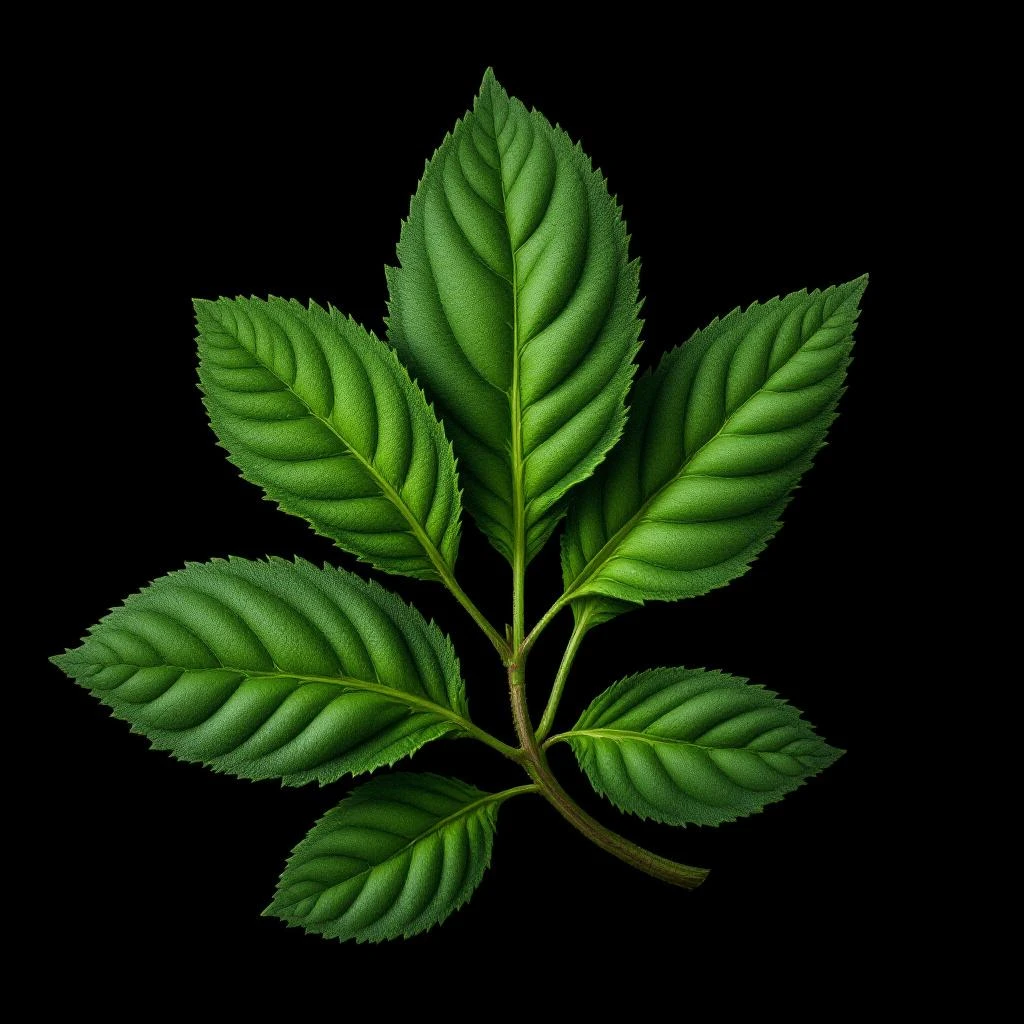
The opening arrives quickly: Fig Leaf and Currant Leaf give a cool, slightly tart green burst that announces the fragrance with immediate clarity. Within minutes, Basil and Sage arrive to push the green into aromatic territory, herbal and Mediterranean, the smell of botanical stems and leaves in a warm climate. What changes in the first hour is the texture. The fig bark emerges as the dominant character, and this phase defines the fragrance: green floral wood, like a fig branch pulled from the tree and held in warm hands. Rose arrives quietly, not as a solo voice but as a warmth within the bark. Reseda holds the middle field, its green-floral quality extending the herbal memory of the opening while softening the bark's resinous edge. The drydown takes its time. Sandalwood and Cedarwood build slowly over several hours, not replacing the fig character but deepening it.
Cultural Impact
Dune Pour Homme occupies an interesting position in masculine fragrance history. Released in 1997, it combined fig tree bark in the heart with a warm tonka-vanilla base, an unusual choice for its era. The fragrance offers an alternative to the standard masculine playbook, with a composition that reads as more botanical and less synthetic-fresh than many of its contemporaries. Its combination of green freshness and warm depth suggests that masculine fragrance does not have to choose between these qualities.
The House
France · Est. 1946
Christian Dior launched his first fragrance, Miss Dior, the same year he showed the revolutionary New Look in 1947. The house has since built one of the most comprehensive luxury fragrance portfolios in existence, from the masculine reinvention of Sauvage to the couture exclusivity of La Collection Privée. Under perfumer François Demachy, Dior balances mainstream appeal with genuine artistry.
If this were a song
Community picks
The fragrance sounds like late afternoon light, warm amber through green vegetation, close to the skin. Mediterranean botanical herbs, fig bark, and a softly warm base. The music should feel unhurried, warm, and slightly melancholic in the way summer evenings do.
Les day-trippers
Gorillaz