The Story
Why it exists.
The beginning
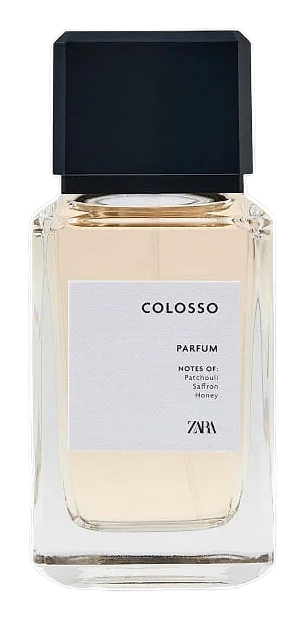
Colosso takes its name from the Colosseum, that Roman monument of stone and spectacle. Not colosseum-as-tourist-attraction. Colosseum as architecture that survived fire, earthquake, and centuries of human traffic. The composition leans into that survival, smoky leather layered against resins deep enough to feel geological. Saffron and honey supply the heat without making it sweet. Vetiver grounds it. The Colosseum didn't collapse. Neither does this.
What's unusual here is the ratio. Most leathery fragrances build the leather on a floral or powdery skeleton. Colosso skips the bones and puts the leather directly on the resin, on the wood, on the earth. That's why the saffron reads hot rather than bright, why the honey darkens instead of sweetening. There's no cushion underneath the animalic notes to soften them. The structure is closer to a Roman ruin than a Roman statue: rough stone, exposed beams, whatever the fire didn't take.
The evolution
The first ten minutes are almost rude. Saffron hits sharp and leathery, the smoke already in the room. No pretense of freshness. Within thirty minutes the honey begins to pull its weight, and the composition starts to feel less like a slap and more like a handshake from someone with rough palms. The heart is where the resin and patchouli do their slow work. Two hours in, the leather has gone from smoked to lived-in, and there's a tobacco-leaf dryness underneath that wasn't there at the start. The vetiver arrives quietly around hour three, and it stays. By hour six, what's left on skin reads as warm leather, faint honey, and that persistent vetiver root. By hour eight the projection has pulled close to the body, but the scent itself hasn't given up. Spray it on a jacket and the next morning it still whispers.
Cultural impact
Wearers reach for it when they want a leather that doesn't announce itself as a leather. It sits closer to the skin than most of its genre, which is why it works as a daily signature rather than a date-night weapon. The saffron note is divisive: some hear warmth, others hear too much. Both are honest readings.