The Story
Why it exists.
The beginning
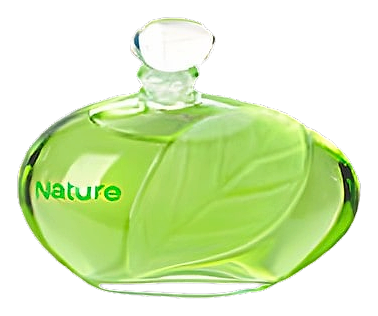
By 1993, Yves Rocher had spent decades building its identity around botanical beauty, plant-based skincare, ingredients traced to their own gardens in La Gacilly, Brittany. The brand's fragrance line had grown from Ispahan Parfum and its rose-forward heritage into something more varied. When it came time to create Nature, the brief wasn't about a single flower. It was about the garden itself, the whole ecosystem, not one bloom. IFF's perfumers worked with the brand's botanical network to source materials that could translate that living, green feeling into a bottle. The result wasn't a rose or a violet. It was the garden in morning light, dewy and breathing.
What makes Nature distinctive is the oakmoss. In a decade that was beginning to chase brightness and longevity above all else, this fragrance held onto the mossy, earthy base that grounds florals in something real. Lily of the valley and freesia provide the soft white floral character, but they're not floating, they're rooted. The mint in the opening isn't the mint of today (bright, linear, citrus-adjacent). It's cooler, greener, almost herbal. Tincture of rose adds a quiet complexity that keeps the florals from reading as naive. The composition has the structure of a classic green floral, but something in the moss and cedar makes it feel like the garden floor, not just the garden.
The evolution
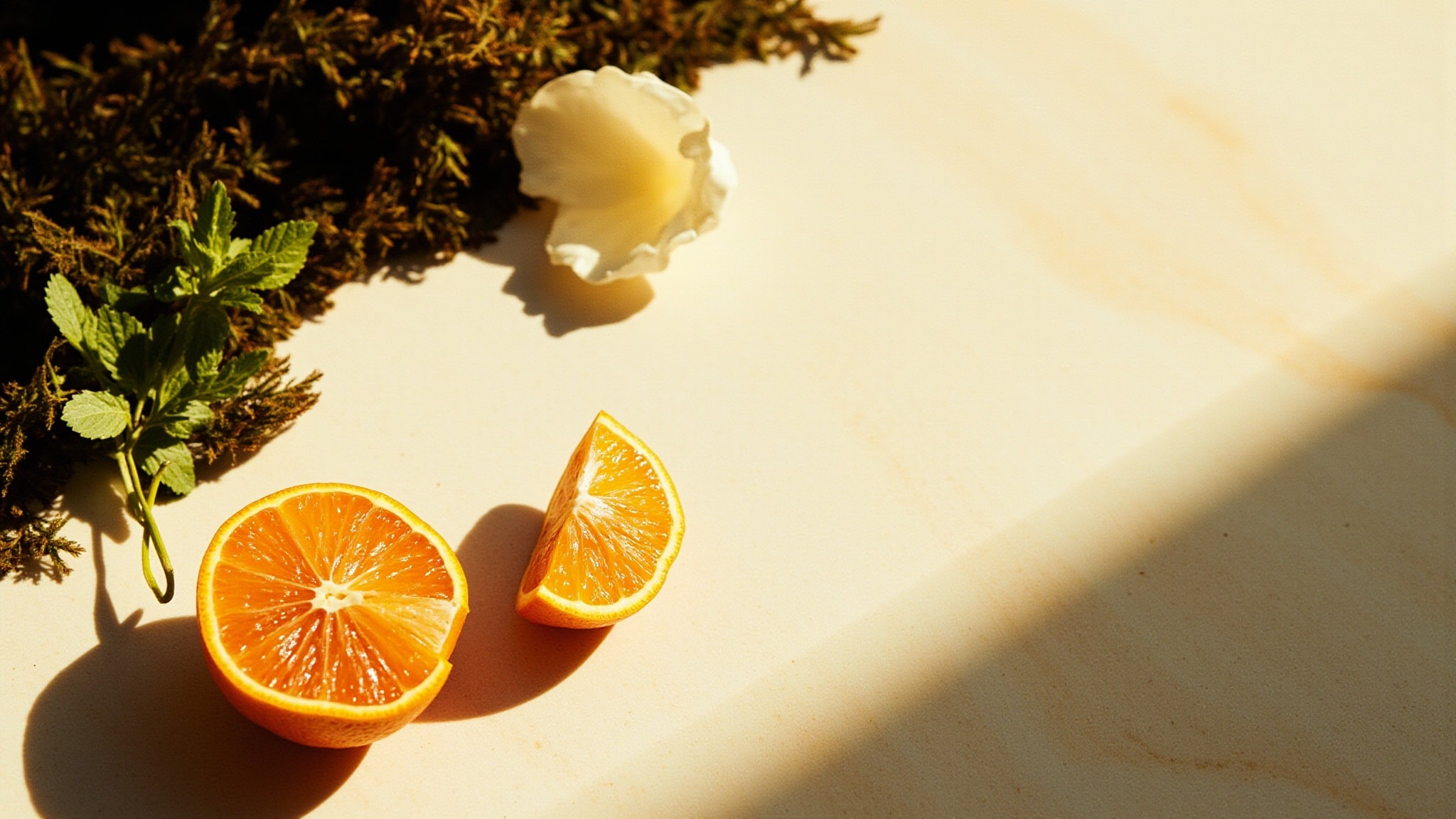
The opening is mint and mandarin, cool, crisp, like biting into a fresh leaf. The mint sparks first, green and almost sparkling, before the mandarin brightens it further. Fifteen minutes in, the white florals arrive. Lily of the valley and jasmine layer into something soft and intimate. The freesia adds a quiet sweetness that keeps it from reading as sharp. By the second hour, the oakmoss announces itself. This is the tell. It doesn't disappear. It deepens, settling into the composition like a secret, giving the florals a mossy, earthy undertone that lasts. The drydown is cedar and oakmoss, woody, close, intimate. On skin, it holds for 4-6 hours. On fabric, it fades faster, but the moss lingers longest.
Cultural impact
Nature by Yves Rocher arrived in 1993 as part of the brand's botanical fragrance collection rooted in the La Gacilly garden in Bretagne. During a decade when perfumery increasingly favored bold, sweet compositions, this fragrance offered a quieter path: green-floral sincerity without excess. Its oakmoss-forward character and garden-accurate mint gave it a distinctive voice that stood apart from both mainstream commercial releases and niche designer work. For consumers drawn to botanical authenticity over spectacle, Nature became a quiet reference point.
The House
Yves RocherYves Rocher offers a line of fragrances that sits alongside its skin‑care and cosmetics range. The perfume portfolio draws on the brand’s long‑standing commitment to botanical ingredients, presenting scents that echo the gardens of its Breton origin. From the rose‑centric Ispahan Parfum (1977) to the citrus‑bright Telethon 96 Mandarine de Calabre, each fragrance reflects a plant‑focused sensibility while remaining accessible in a global retail network.
The Creator
IFF (International Flavors & Fragrances)