The Story
Why it exists.
The beginning
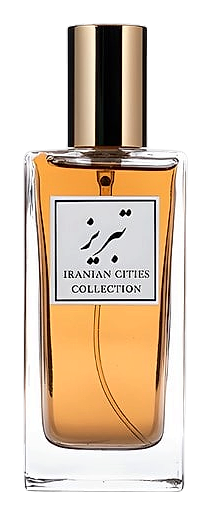
Tabriz wears its geography on its sleeve, a phrase that captures something essential about how the fragrance presents to the wearer. The scent has long been associated with leatherwork traditions, and YANI's 2024 release leans into that lineage without ever tipping into costume. The perfumer behind it is Kantal Roussel, whose work here keeps the leather from feeling costume-like. On skin, the opening cuts clean: a dry, almost papery leather that reads as cracked suitcase lining rather than polished saddle. It arrives with a flicker of smoke, the kind that clings to wool, before the saffron blooms underneath. That saffron doesn't shout; it smolders, weaving through the leather's grain like thread through canvas.
What's interesting is how the formula refuses to load up on the obvious heavy-handed leather notes. The opening runs citrus and ginger, almost sharp enough to read clean, before saffron pulls the temperature up. Then the leather arrives not as a slab but as an undertow, woven through cedar and musk. That choice keeps the composition from tipping into diesel-and-cigar territory and lands it somewhere closer to soft suede catching afternoon light.
The evolution
The first 30 minutes belong to ginger and grapefruit, bright enough to surprise given what follows. Raspberry doesn't announce itself so much as sweeten the edges of that citrus, a quiet hum beneath the sparkle. Then saffron enters with its particular warmth, almost metallic, and the citrus steps back. Leather doesn't crash in. It arrives gradually, more suede than hide, woven through dry wood. By the second hour the composition has settled into something noticeably warmer and closer to skin. The cedar grounds it, musk softens every edge. On fabric the next morning there's a trace of that leather and cedar combo, faint but still legible, the kind of ghost that makes you check your own collar.
Cultural impact
Tabriz sits within YANI's catalogue alongside other place-named releases like Tehran, Shiraz, and Kashan, each one offering its own geographic mood. The leather is the obvious draw, but the saffron-and-cedar architecture surrounding it is what gives the fragrance its staying power. On first spray, the leather reads as raw and architectural, almost like the interior of an old leather workshop. As the hours pass, the saffron warms and softens, settling into something closer to amber than spice.