Kantal Roussel
Kantal Roussel remains one of the more quietly influential figures in contemporary French perfumery. Trained in Grasse during the final flowering of the old-school composition houses, Roussel came of age at a moment when the industry was pivoting from classical floral structures toward something sharper and more editorial. He cut his teeth in the labs of several major Parisian firms before relocating to work with independent brands, where his restrained aesthetic found a more natural home. His reputation rests on precision rather than volume: a small but meticulously composed body of work that has earned the devotion of fragrance writers and collectors who prize structure over spectacle.
The hits
Notable creations
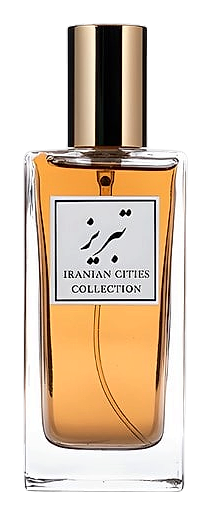
The signature
How Kantal composes
His signature lies in clean, architectural compositions that lean on transparent musks, mineral chypres, and carefully calibrated citrus openings. He has a particular fondness for iris, orris butter, and the cooler metallic facets of aldehydes, ingredients he handles with the discretion of someone who knows exactly how much weight a formula can bear. His drydowns tend toward skin-close warmth rather than projection, a choice that rewards the wearer who leans in rather than the passerby who catches a trail.
Philosophy
What drives Kantal
Roussel approaches composition as an exercise in controlled tension. He gravitates toward formulas where brightness and shadow hold each other in check, building scents that read clearly on first wear yet reveal new facets over hours on skin. He has spoken about respecting raw materials rather than imposing a concept upon them, allowing an ingredient's natural character to dictate its role within the larger accord. For Roussel, a finished perfume should feel inevitable, as though no other arrangement would have produced quite the same effect.
The houses