The Story
Why it exists.
The beginning
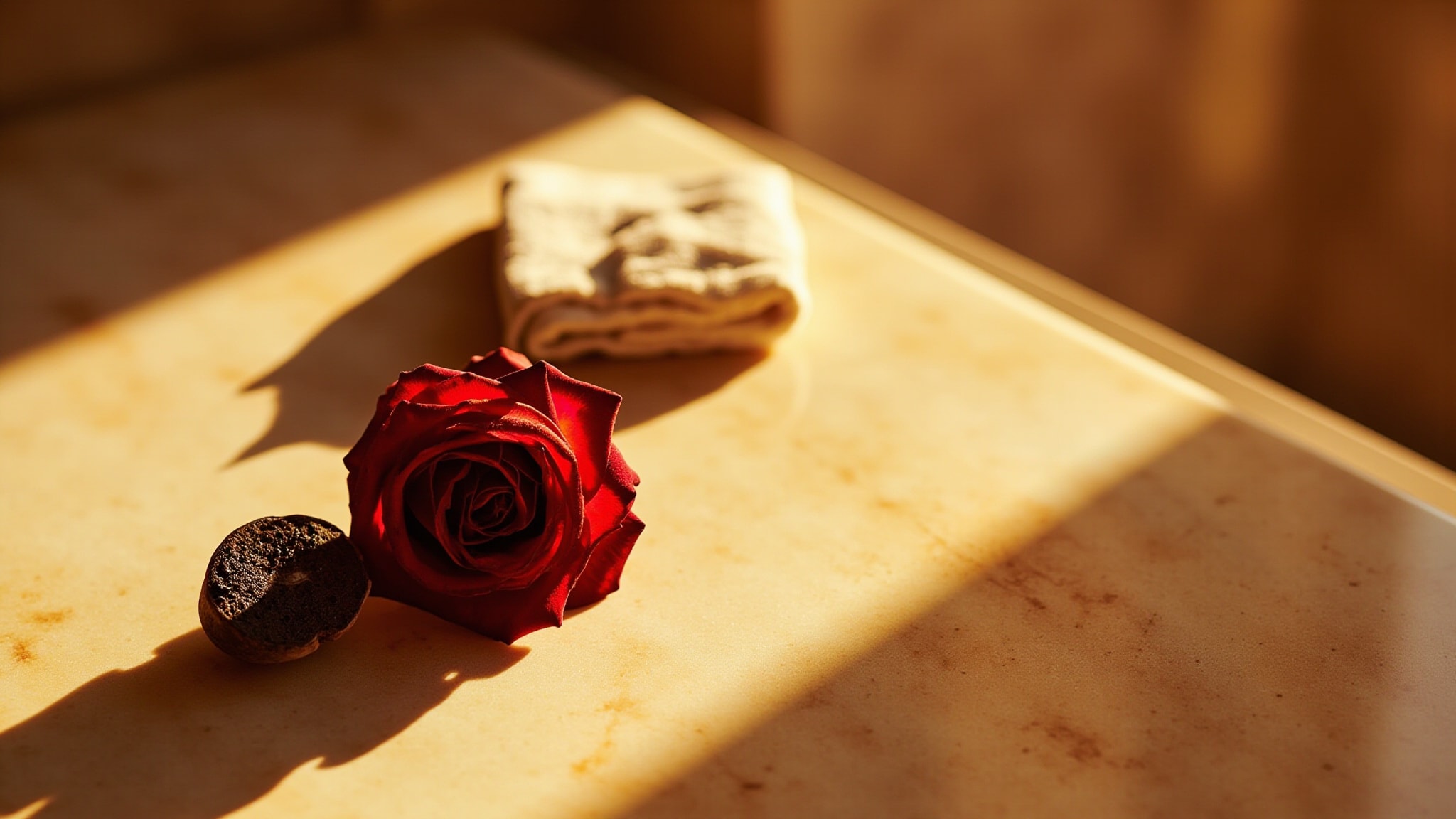
Chris Maurice designed Warda Al Oud as a study in contrast. The name itself is the brief: warda (rose in Arabic) and al oud (the oud, the agarwood). Two materials that rarely share a stage, forced into the same composition. The question was whether they could coexist without one overwhelming the other, and the answer lives in the XJ Oud collection, where the pairing of these two distinct materials creates an interesting tension. Jasmine and osmanthus add sweetness to the middle ground, layering complexity before the resinous base arrives.
What makes this structure interesting is the sequencing. Bergamot opens bright and clean, almost citrus-sharp. The florals, Bulgarian rose, Damask rose, jasmine, osmanthus, arrive in layers, with osmanthus bringing an apricot-like sweetness that separates this from a standard rose scent. Then the base materials arrive and don't leave. Oud, vanilla, amber, frankincense, tobacco, they form a substantial foundation that dominates the later stages of the fragrance. The vanilla and amber create warmth while the frankincense contributes its own distinct quality.
The evolution
Bergamot sparks the opening, clean and bright. Within minutes the florals arrive: osmanthus first, apricot-sweet, then the Bulgarian rose and jasmine in full bloom. The oud begins to emerge as the florals settle, with vanilla and amber warming on the skin. By the second hour, the rose is still present but the oud becomes more prominent, taking on a darker, smokier character. The drydown is where this fragrance takes its final form. Vanilla, tobacco, and frankincense create a warm, resinous base that stays close to the skin.
Cultural impact
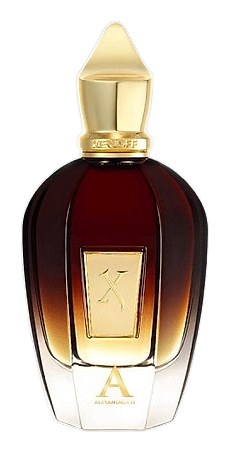
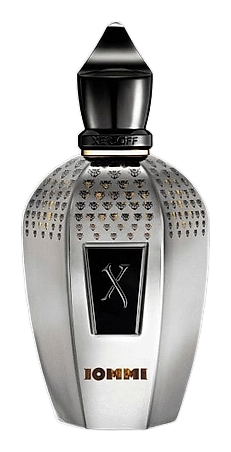
Warda Al Oud sits in the XJ Oud collection, Xerjoff's line built around rose and oud pairings. The Mukhallat series includes Oud Luban, Sukar Aswad, Java Blossom, and Sweet Assam, each exploring a different facet of this combination.