
The Story
Why it exists.
The beginning
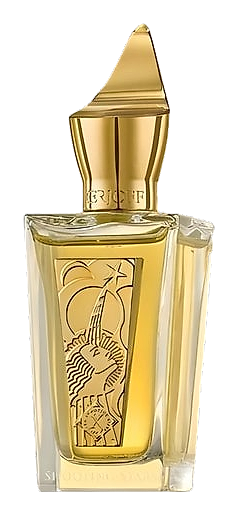
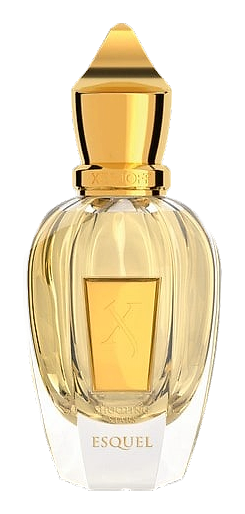
Jacques Flori received the 2009 brief and went to work building a bridge, between the aromatic fougère tradition and the warm embrace of oriental perfumery. The result is Esquel: a fragrance that refuses to pick a side. Flori layered a citrus-soaked lavender opening against a base of vanilla and opoponax, then threaded everything together with a spice accord that could have gone theatrical. It didn't. Instead, the composition keeps its balance, present without projecting, warm without collapsing into sweetness. That's harder to do than it sounds.
What makes Esquel work is the tension between its opening and its close. Lavender and myrtle give it a herbal, almost medicinal coolness, a nod to the fougère lineage. But underneath, the oriental structure builds. Patchouli and cinnamon create warmth. Vanilla and opoponax add richness without tipping into gourmand territory. The vetiver and musk in the base ground everything, giving the fragrance somewhere to land. This is a pyramid that earns its layers, each phase has a reason to exist, and each one pulls the scent in a slightly different direction before the next takes over. Opoponax is the underused star here.
The evolution
The first spray hits cool and herbal, lavender and myrtle up front, sharpened by pink pepper and a burst of bergamot and lemon. It smells like something with intention. Two hours in, the heart takes over: patchouli and cinnamon warm the composition, while rose and ylang-ylang bloom underneath. Orange blossom adds a floral sweetness that could go cloying in lesser hands, but here it stays measured. Then comes the base, vanilla and tonka bean softened by opoponax, with vetiver and musk holding it close to the skin. Eight to ten hours on most. The sillage is strongest in the first hour or two, then settles into something intimate that lingers for another six to eight hours after.
Cultural impact
Esquel sits within the Shooting Stars collection, a series of artistic, world-building fragrances that operate as narrative objects rather than trend-driven releases. Rather than chasing category conventions, it occupies a distinctive space, bridging Mediterranean aromatic traditions with oriental warmth in a way that appeals to wearers who want something with character over comfort. The 2009 launch positioned it early in Xerjoff's history, when the brand was establishing its identity as an Italian house unafraid to blend heritage techniques with unexpected material choices.