The Story
Why it exists.
The beginning
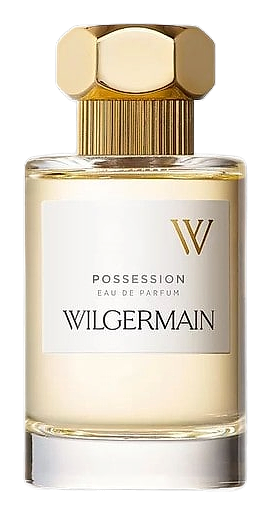
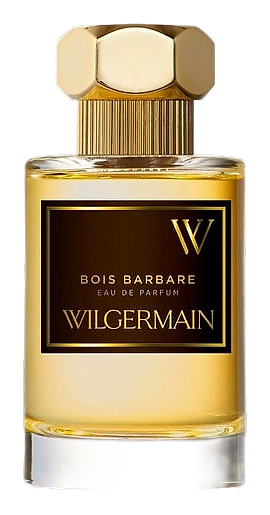
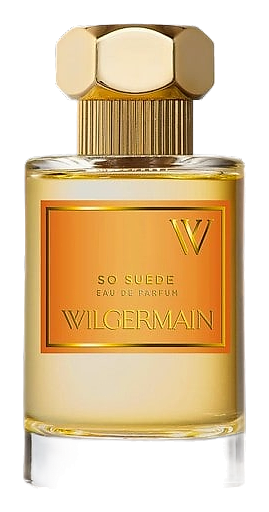
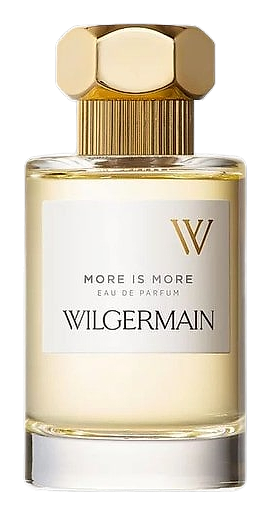
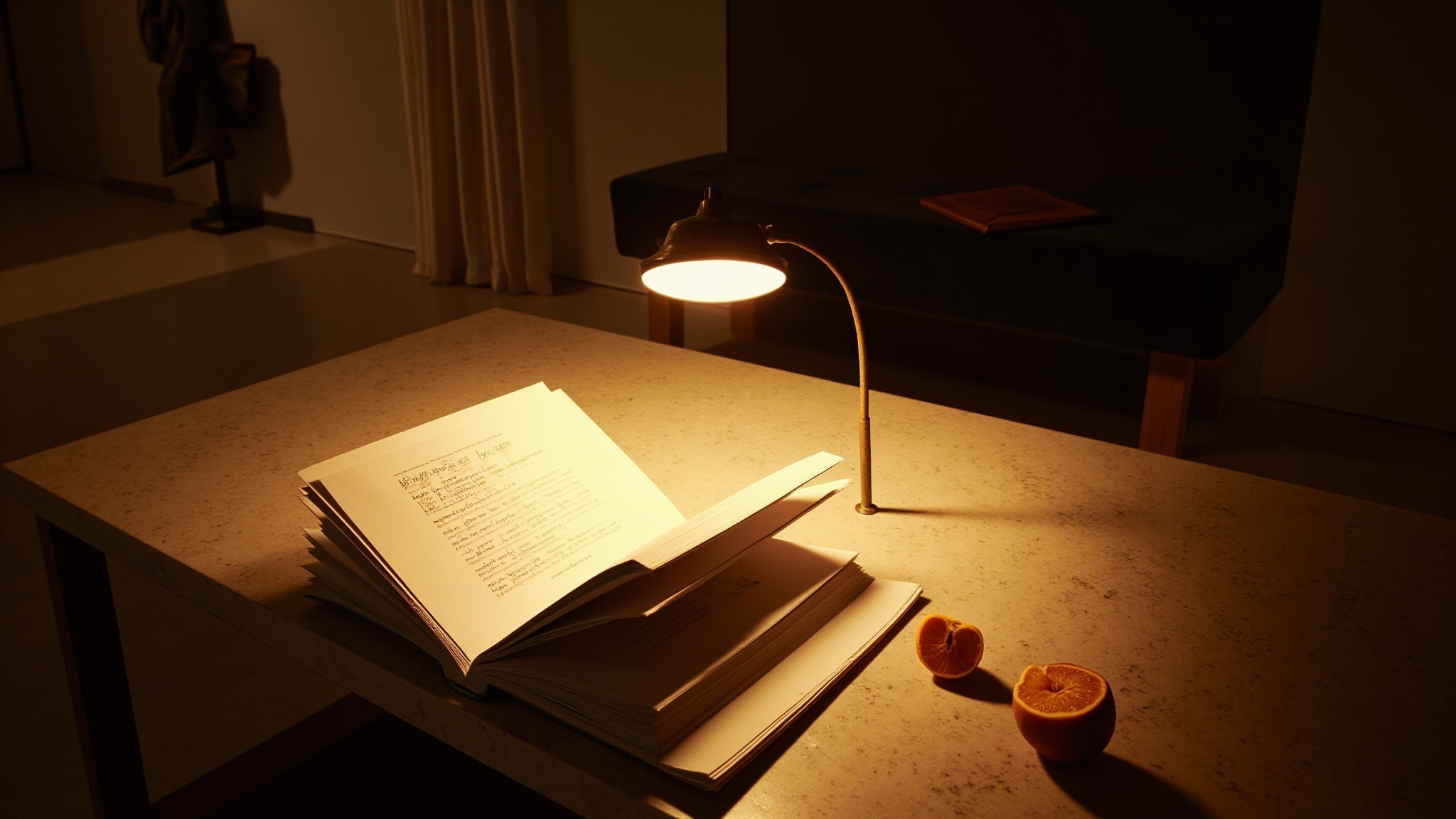
More is More began with a painting. Specifically, a Caravaggio. Rodrigo Flores-Roux has spoken openly about his fascination with the Italian master's chiaroscuro, the way darkness and light collide on canvas with theatrical intent. What would a Caravaggio smell like? That question became the brief. The result, released in 2020 as part of Wilgermain's debut collection, tries to answer it through contrast: feminine florals pushed against masculine leather, sweetness tempered by smoke, the shimmer of a gemstone set against black paint. It's not a literal translation. It's a scented portrait of standing in front of that painting and letting your imagination do the rest. Flores-Roux called it a tour de force. Whether you agree depends on how much drama you want at your collar.
What makes this composition unusual is the structural tension between osmanthus and leather. Osmanthus absolute is a notoriously complex material, fruity, leathery, apricot-like, almost wine-stained. Pairing it with a black leather accord creates a conversation rather than a contrast, two materials arguing about who gets to smell more like skin. The Bulgarian rose water adds transparency where rose oil would feel heavy. Italian broom absolute brings a green, hay-like quality that prevents the florals from going soft. It's a composition designed to stay sharp, to refuse the easy prettiness that rose and leather combinations can fall into.
The evolution
The opening arrives almost aggressively. Davana and clary sage hit first, herbaceous and slightly sharp, like the moment before a room full of strangers starts talking. Then the osmanthus unfurls, bringing that apricot-skin warmth, and the leather accord slides in underneath like a bass note. The florals organize themselves around the rose water, and the whole thing reads warmer, more intimate as the initial sharpness gives way to something denser and rounder. Broom absolute adds a hay-like dryness in the mid-phase that keeps the composition from going syrupy, a brittle counterweight to the osmanthus sweetness and the cushioned floral heart. Ambrette seed absolute begins doing its work shortly after, creating a second-skin sensation that's clean but warm, a soft musk that sits against the skin rather than projecting outward.
Cultural impact
More is More earns its place through sheer density of idea, layering a Caravaggio reference into a floral-leather framework that gives it conceptual weight. The Caravaggio reference provides an anchor that distinguishes it from straightforward floral-leather hybrids, framing the composition as a deliberate artistic exercise rather than a casual skin scent. Reviewers and wearers engage with it on that level, reading the osmanthus and leather accord as gestures toward chiaroscuro, the broom absolute as a kind of dried-blood austerity, the rose water as devotional warmth. The fragrance invites that kind of reading.
The House
WilgermainWilgermain emerged from a meeting between industry veteran Francisco Gratacós and master perfumer Rodrigo Flores-Roux. Their shared vision: a luxury niche house that speaks to contemporary sensibility without chasing trends. Every fragrance in the collection carries Flores-Roux's distinctive hand, creating a cohesive world where craftsmanship and character intertwine. The house operates entirely from Mexico, where each scent takes shape under their watchful direction.
The Creator
Rodrigo Flores-RouxFlores-Roux gravitates toward bold, characterful compositions with strong sillage and distinct personalities. He excels at balancing opulent florals against warm woods and resins, and has a particular gift for citrus and neroli interpretations that feel neither precious nor fl…