The Story
Why it exists.
The beginning
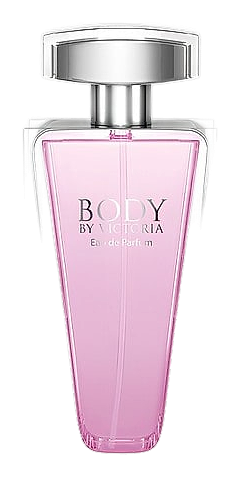
In 2002, Harry Frémont set out to bottle a specific feeling: the moment you step out of the shower, skin cool and damp, towel wrapped tight. Not a fantasy version of cleanliness. The real thing. The perfumer reached for ingredients that would capture a sense of aquatic freshness, building from the green, watery cut of cucumber and the translucent brightness of freesia. These notes were layered against something warmer underneath, creating a contrast between cool and gentle warmth. The result was a fragrance that wore close to the skin, adapting to body chemistry rather than projecting loudly. It felt appropriate for everyday moments, a Tuesday morning routine as easily as a Saturday afternoon errand.
The cucumber note in Body by Victoria 2002 reads as a cool, almost vegetable green that lifts the florals rather than drowning them. Combined with the hyacinth, which brings its own green, slightly aqueous character, the composition achieves a crisp, garden-fresh quality. These green notes serve as a bridge between the brighter top notes and the warmer elements underneath. White musk does what white musk does best: it holds the skin without projecting loudly, settling into a skin-like warmth that reads as the wearer's own scent amplified.
The evolution
The opening lands bright. Mandarin orange and freesia announce first, sharp and clean, followed quickly by mimosa's yellow warmth. The cucumber arrives to soften everything around it, not as a dominant note so much as a temperature, a coolness that tempers the brightness. Peony and hyacinth move in next, adding green-watery depth that feels almost garden-adjacent. The lily holds the longest of the heart florals, giving the mid-section a soapy-clean quality without tipping into barbershop territory. White musk and sandalwood arrive quietly and take over the base. From here, the fragrance becomes skin-close. It doesn't project loudly, it lingers. The scent fades to something close and personal, the kind of smell that someone standing beside you notices before you do.
Cultural impact
Body by Victoria 2002 sits comfortably in the category of well-loved everyday fragrances, the kind people repurchase for years, then mourn when it's gone. The discontinued status has only strengthened its reputation: scarcity has a way of clarifying what a fragrance was actually worth. Wearers describe it as the scent of someone who doesn't need to announce themselves, who walks into a room clean and confident and leaves a soft trace behind.
The House
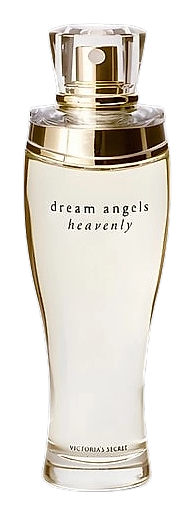
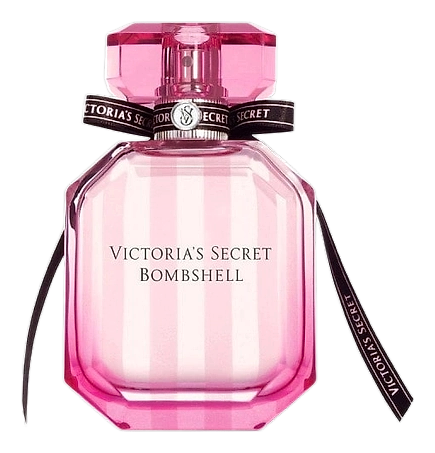
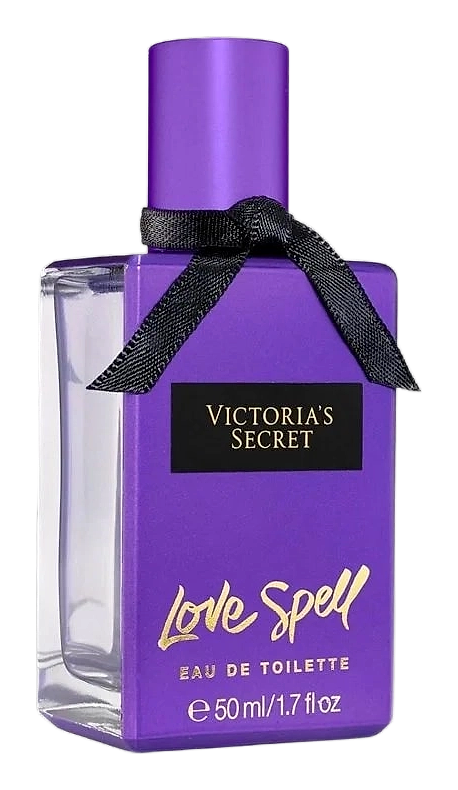
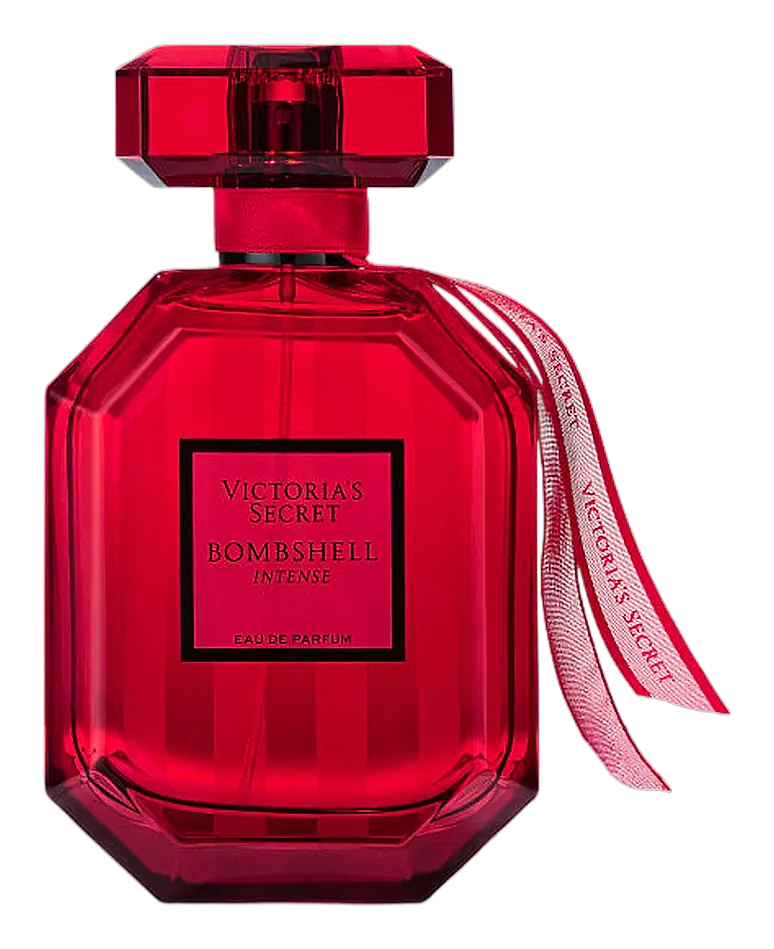
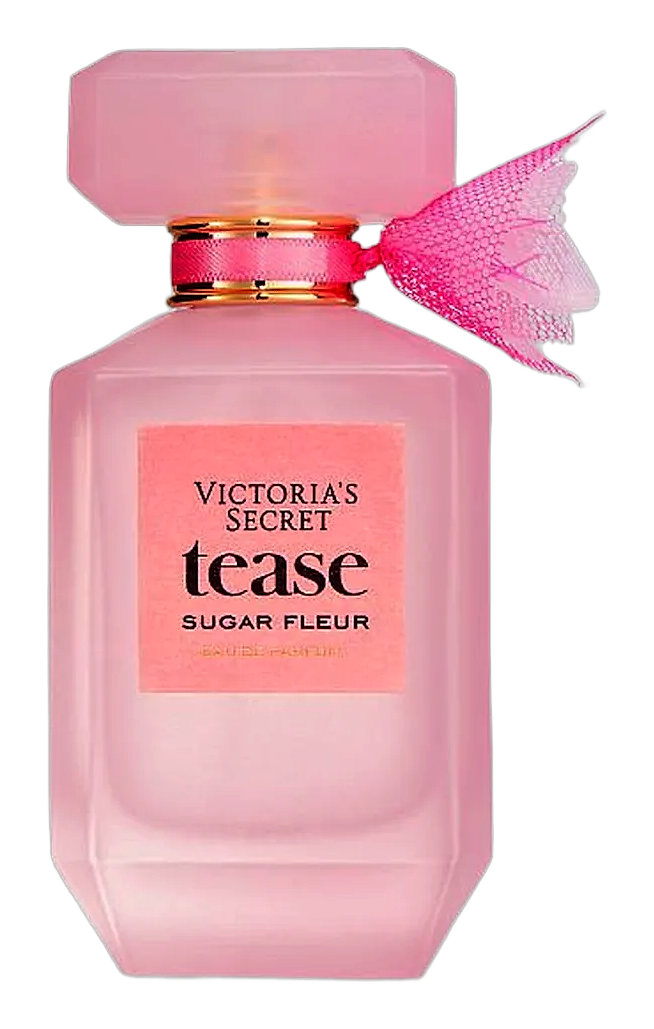
Victoria's SecretVictoria's Secret began as a San Francisco lingerie company founded in 1977 by Stanford graduate student Roy Raymond and his wife Gaye. The brand entered fragrance in 1989, launching its first perfume Victoria as part of a national magazine campaign. By the early 1990s, the company had grown to 350 stores nationwide with estimated sales of $1 billion. The beauty division grew substantially enough to generate nearly $1 billion in sales by 2006. Victoria's Secret fragrances are developed through Givaudan's Paris laboratory, the same fragrance house behind perfumes for Tom Ford, Prada, and Louis Vuitton. The brand works with a rotating roster of over 30 perfumers rather than a single in-house nose, creating scents for its Dream Angels, Very Sexy, Body, and Pink collections. Popular fragrances include Bombshell, Love Spell, Tease, and Heavenly, which ranked as the top-selling fragrance in the United States by both revenue and volume from 2005 to 2010. Victoria's Secret has won 20 Fragrance Foundation awards since 2001. The company offers fragrances alongside perfumed body care products including body mists, body lotions, and eau de parfum in various formats.
The Creator
Harry FrémontFrémont's style resists easy categorization. He works fluently across woody, floral, amber, and leather territories, with an especially strong command of vetiver and musks that has become something of a signature.