
The Story
Why it exists.
The beginning
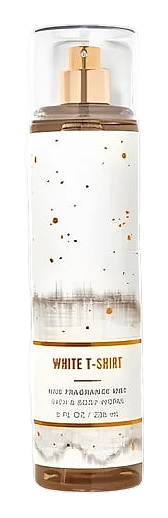
White T-Shirt takes its name from the most democratic garment in any closet. The brief was simple: capture the feeling of slipping into something freshly laundered, the small ritual of self-care that Bath & Body Works has built its identity around since 1990. The perfumer worked with five materials only, pear, lavender, fabric, musk, sandalwood, because restraint is harder than abundance. Every note had to earn its place. The result is a fragrance that smells like the most put-together version of an ordinary day.
What makes this composition work is the pear-lavender pairing. Lavender alone can tip into soap. Pear alone can feel generic. Together they create something specific: the dewy, slightly sweet smell of fabric softener mixed with morning air. The fabric note isn't literal in a synthetic way, it reads as the memory of clean textile, the absence of anything wrong. Sandalwood at the base prevents the whole thing from evaporating into nothing. It's the quiet anchor that makes longevity possible.
The evolution
The opening hits crisp, pear and lavender arriving together, immediately fresh and slightly sweet. There's no teasing or withholding; this is a fragrance that shows you what it is in the first spray. Within twenty minutes, the top notes soften and the fabric-musk heart emerges. This is where White T-Shirt becomes itself, intimate, skin-close, the scent of wearing something clean against bare skin. Sandalwood arrives around the two-hour mark, adding creamy depth without heaviness. By hour four, you're approaching skin. By hour six, there's a whisper of warm cotton still clinging to pulse points. On fabric, pillowcases, the collar of a jacket, it lingers even longer.
Cultural impact
White T-Shirt arrived during the peak of 'clean girl' aesthetic and the broader cultural embrace of quiet luxury, the idea that effortlessness reads as expensive. In a landscape of oud bombs and projecting ambers, this fragrance offered something different: the confidence to smell like you have nothing to prove. It found its audience among people who wanted scent as mood management, not performance.