Fabric
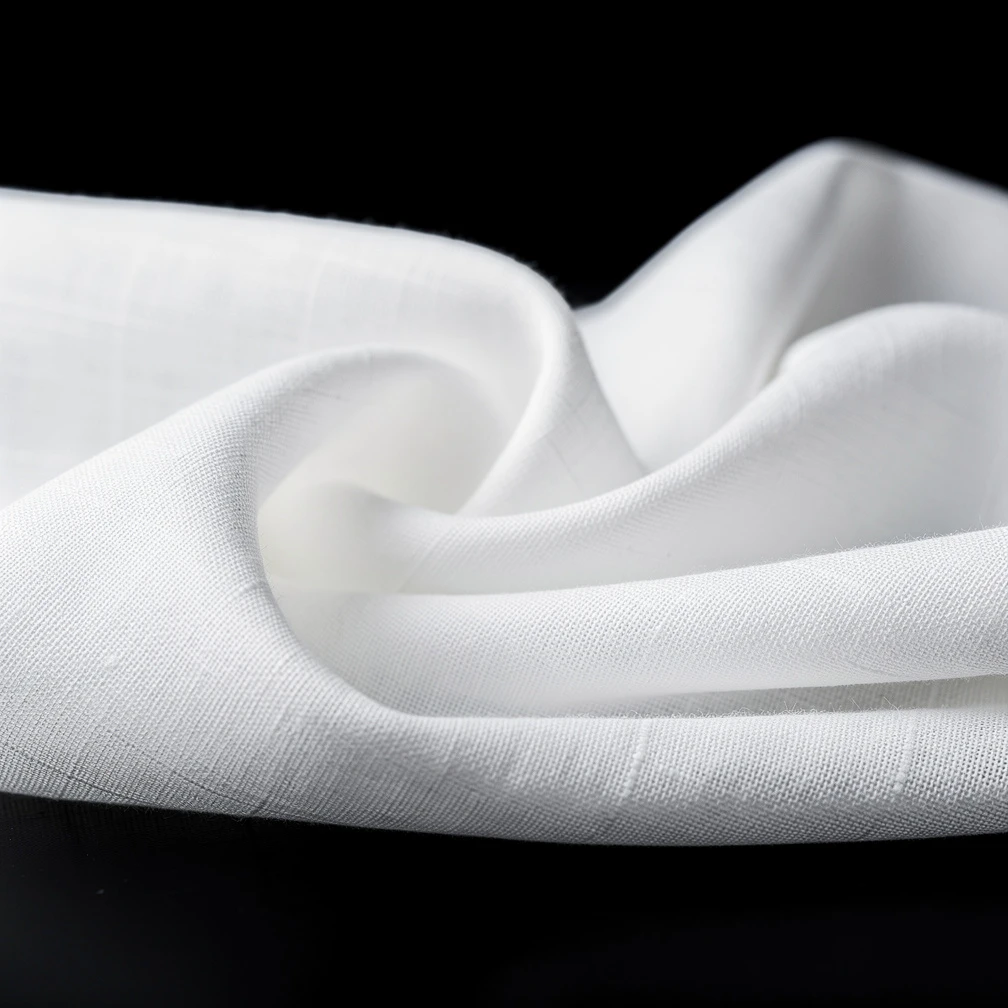
Fabric in perfumery is not a single ingredient but an olfactory concept that evokes the sensation of freshly laundered textiles. It combines white musks, aldehydes, ozonic notes, and fresh aromatics to create the impression of clean linen, cotton, or silk. These accords appear across many modern fragrances as a bridge between crisp freshness and intimate warmth.
Character
How it smells
The scent memory of freshly washed cloth, held close to the skin.
The "clean laundry" note gained widespread cultural recognition in the 1970s when the fabric softener industry began heavily marketing scented dryer sheets, directly influencing how perfumers built modern fresh fragrance accords.







Origin
France
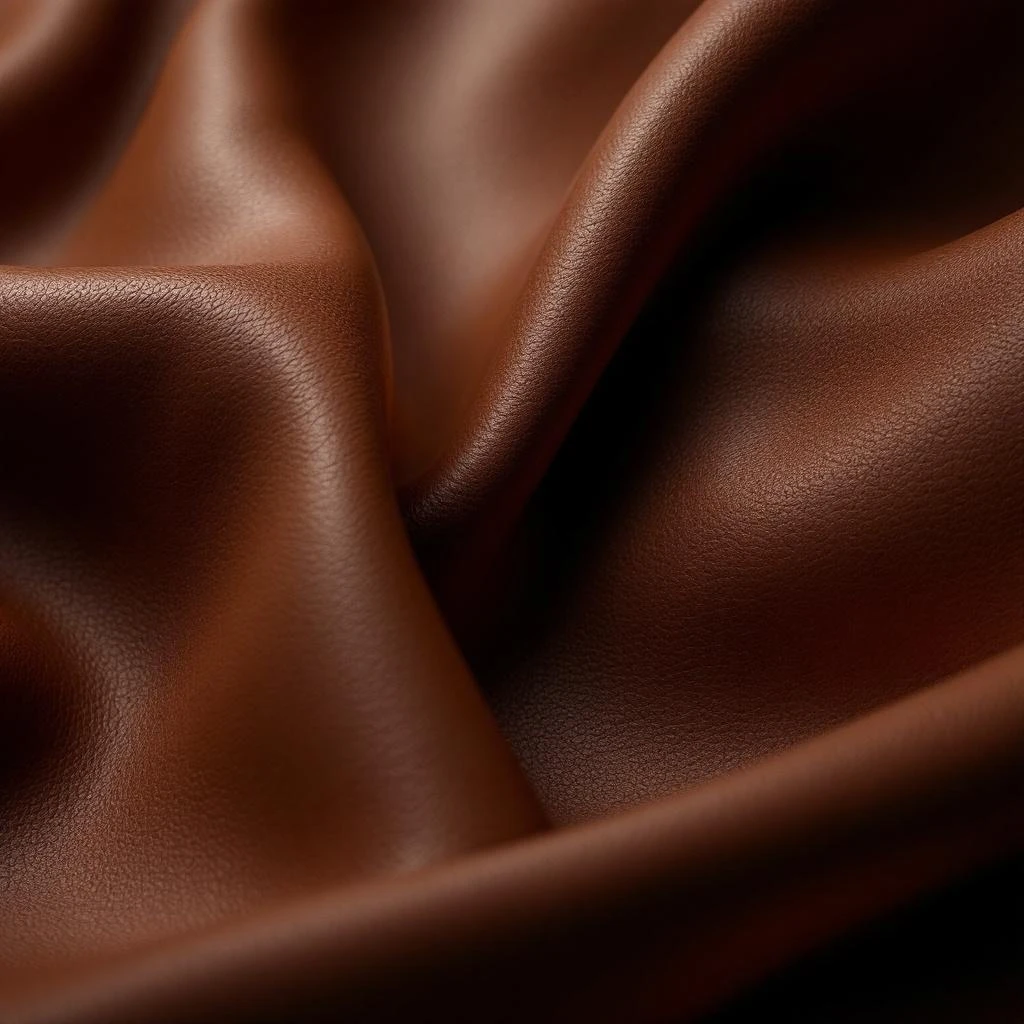
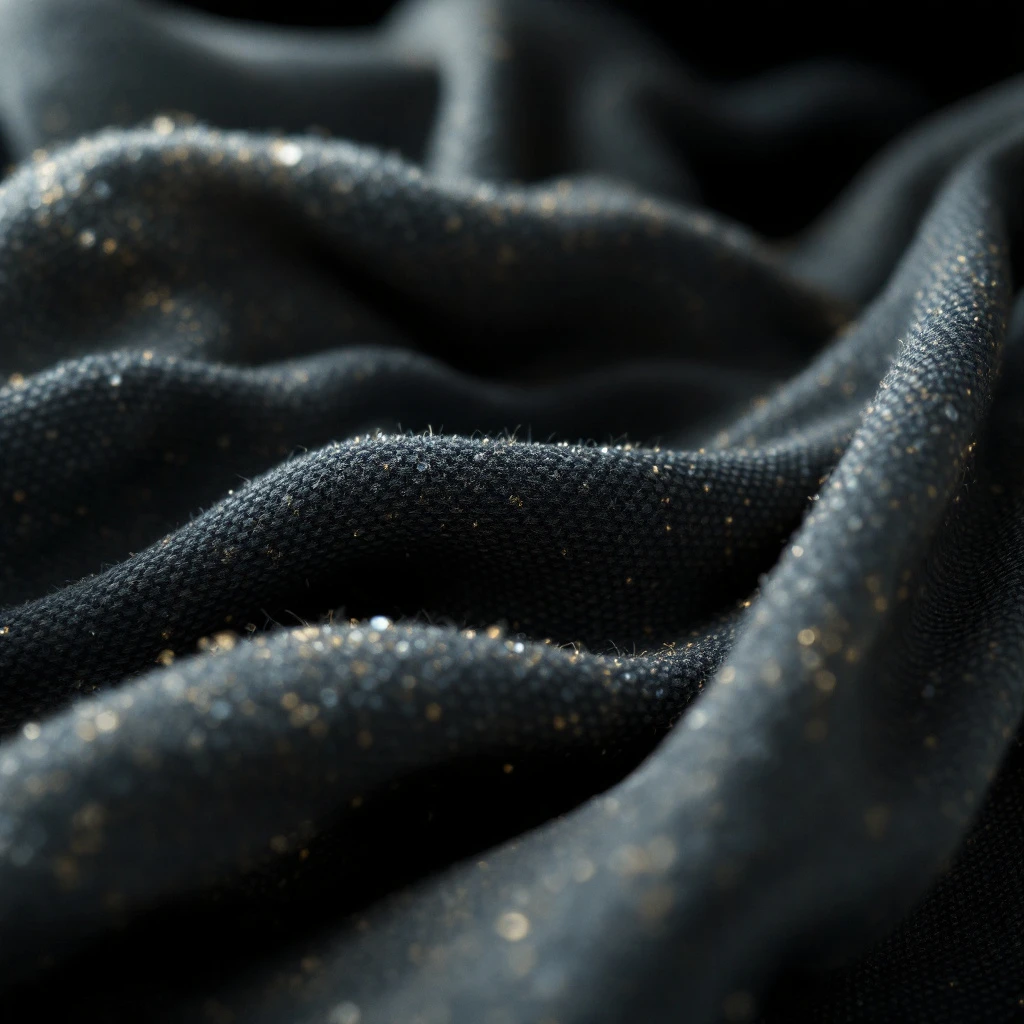
The practice of perfuming textiles predates modern perfumery by thousands of years. In ancient Egypt, priests burned aromatic resins and barks to fragrance ceremonial linen garments before important rituals, recognizing that scent carried symbolic weight. Wealthy Romans similarly employed scented oils to treat their togas, transforming daily dress into a sensory experience.
The practice continued through the medieval period with perfumed sachets tucked into aristocratic wardrobes and the famous pomanders carried through plague-era streets. However, the modern concept of a distinct fabric note emerged in the twentieth century alongside the rise of synthetic aromatic chemistry. When fabric softeners and scented laundry products entered mass markets in the 1950s and 1960s, perfumers began deliberately targeting that clean-cloth impression as a fragrance goal in its own right.
Today, fabric notes function as a cultural shorthand for hygiene, comfort, and intimacy across global fragrance families.
Wears it best
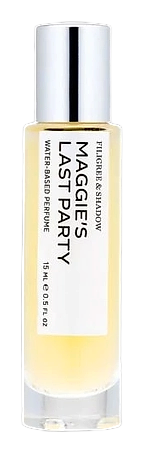
Fragrances featuring Fabric
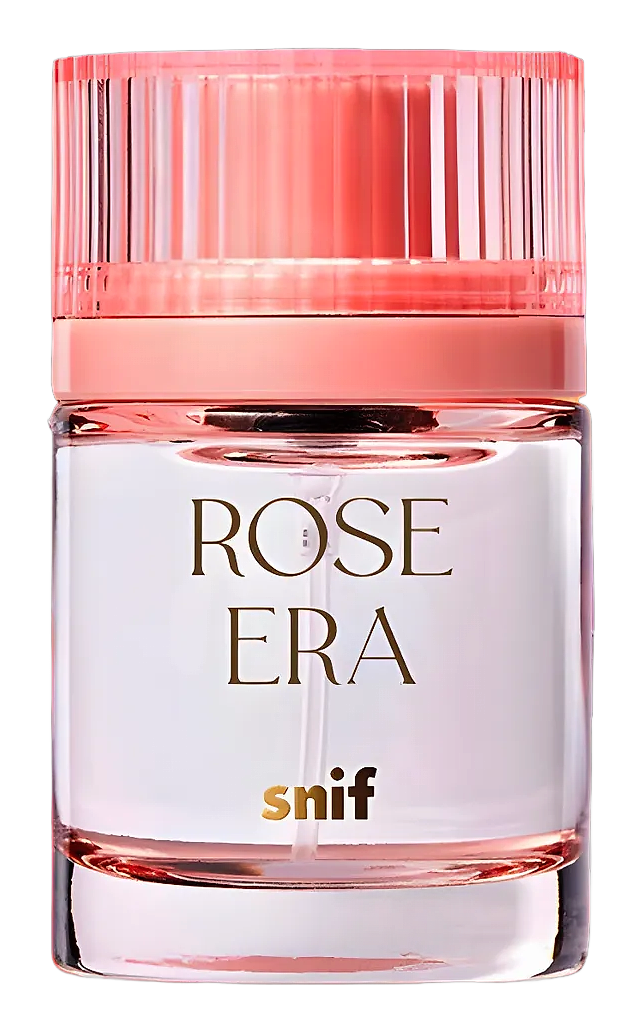
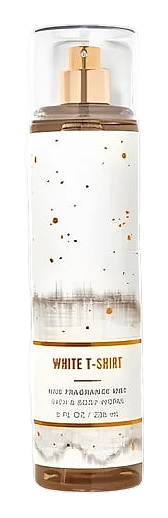
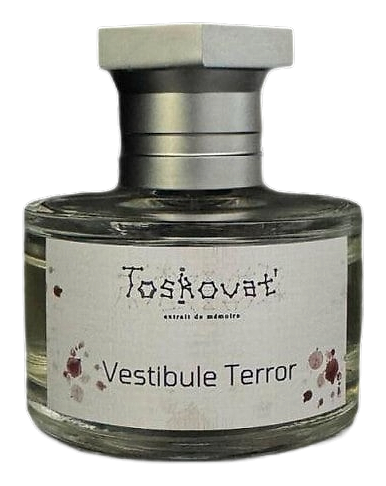
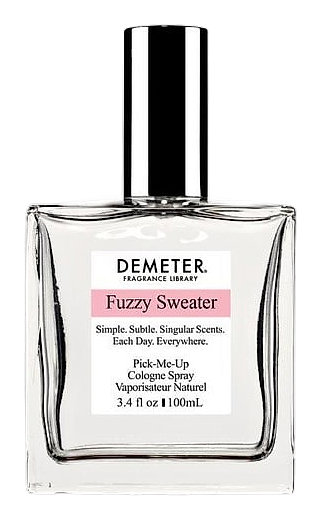




Brands
Brands known for Fabric
Good to know
Questions, answered
The essentials on Fabric in perfumery: how it smells, where it comes from, and how it behaves on skin.
What does Fabric smell like in perfume?
Fabric notes smell like freshly laundered textiles, combining clean white musks with a light, soapy aldehydic brightness and an airy ozonic quality. The impression evokes clean linen or cotton worn close to the skin, without the heavy warmth of resinous materials.
Why is Fabric used in perfumery?
Perfumers use fabric accords because they evoke universally understood sensations of cleanliness and comfort. These notes create an intimate, familiar quality that enhances the wearer's emotional connection to a fragrance, making them feel wrapped in a subtle, pleasant freshness.
Is Fabric in perfume natural or synthetic?
Fabric accords are predominantly synthetic. While natural materials like citrus and certain aromatics contribute freshness, the core clean-textile impression relies on synthesized musks and aldehydes developed through modern aromatic chemistry in the twentieth century.
What famous perfumes contain Fabric?
Many modern fragrances feature fabric accords, including Dolce and Gabbana Light Blue, which uses ozonic and citrus elements to evoke sun-dried linen, and Clean Skin, a 2001 fragrance built almost entirely around the concept of freshly washed fabric.
Is Fabric a top note, heart note, or base note?
Fabric notes typically function as a heart-to-base element in a fragrance pyramid. The white musks providing the accord's backbone often last 4 to 8 hours, while ozonic freshness may appear in the opening phase as a brief top note impression.
What notes pair well with Fabric in perfume?
Fabric accords pair naturally with ozonic and marine notes for airy freshness, with light florals like jasmine and lily of the valley for softness, and with citrus elements like bergamot for added brightness and clean character in the opening.
How is Fabric extracted?
Fabric is not extracted from a raw material; it is composed. Perfumers build fabric accords by combining synthesized musks like Galaxolide (first commercially produced in the 1950s) with aldehydes and ozonic compounds into a blended aromatic composition.
Is Fabric used in men's or women's fragrances?
Fabric accords appear across both men's and women's fragrances. They are especially prominent in fresh feminine scents and sport fragrances marketed to men, with the underlying clean-cloth impression appealing broadly across gender preferences.