The Story
Why it exists.
The beginning
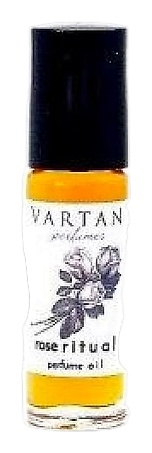
In 2017 perfumer Kristen Vartan set out to capture the Intimate moment of a personal rose ceremony for Vartan Perfumes, the New York house founded in 2015 to transform fleeting memories into scent chapters. Rose Ritual emerged from this quiet narrative ethos, bottling the sensory memory of a ritual built around the flower. The composition begins with fresh red rose to establish the ceremonial centerpiece, adds earthy notes for grounding, and incorporates vanilla for warmth that makes the ritual feel personal rather than formal.
Rose Ritual treats red rose as both subject and material, working with the flower rather than simply featuring it. Earthy notes provide contrast that makes the rose feel grounded rather than abstract. The woods in the heart offer structural support that keeps the floral from becoming ephemeral. Vanila and caramel extend warmth through the drydown, ensuring the ceremony concludes with lingering comfort. The result is a scent that feels ceremonial without formality, personal without being precious.
The evolution
Rose Ritual begins with red rose, bright and immediate, grounded by earthy notes that give the opening a sense of place and weight. Vanilla softens the scene as the composition moves toward its heart. Rose continues but finds counterpoint in woods, creating a middle phase that feels both floral and architectural. The drydown introduces caramel sweetness while floral notes remain present, finishing with warmth and quiet endurance rather than dramatic flourish. This arc moves from fresh celebration through structured depth into sweet reflection.
Cultural impact
Rose Ritual taps into a long tradition of rose symbolism in art and ceremony, echoing the way roses have been used to convey love, reverence, and spiritual devotion across cultures. In Mediterranean festivals, rose petals are scattered to mark transitions, while in Persian poetry the rose represents the beloved’s soul. By framing the scent as a ritual, Vartan Perfumes connects modern consumers to these historic practices, inviting them to partake in a sensory ceremony that honors both personal intimacy and collective heritage, reinforcing the perfume’s role as a cultural bridge between past and present.