The Story
Why it exists.
The beginning
Basic Instinct arrived in 2004, crafted by perfumer Harry Frémont. It was a deliberate departure from the bright, juicy fragrances that dominated the Victoria's Secret lineup at the time. Where most VS scents leaned into accessibility and immediate appeal, Basic Instinct chose complexity. The name itself, borrowed from the 1992 film, signaled something instinctual, confident, and slightly dangerous. Frémont built this around white florals and dark fruit, then grounded everything in patchouli and powder. It was the scent for someone who already knew what she wanted.
What makes Basic Instinct unusual is how the florals behave. Gardenia and tuberose are both heady, almost narcotic in their sweetness, together they could easily become overwhelming. The plum and apricot keep them tethered to something fruity and alive. The patchouli doesn't shout; it whispers. And the powder? The powder is what separates this from every other VS fragrance. It transforms the sweetness into something that wears close to the skin, something that feels intimate rather than projected. It's the difference between wearing a scent and being one.
The evolution
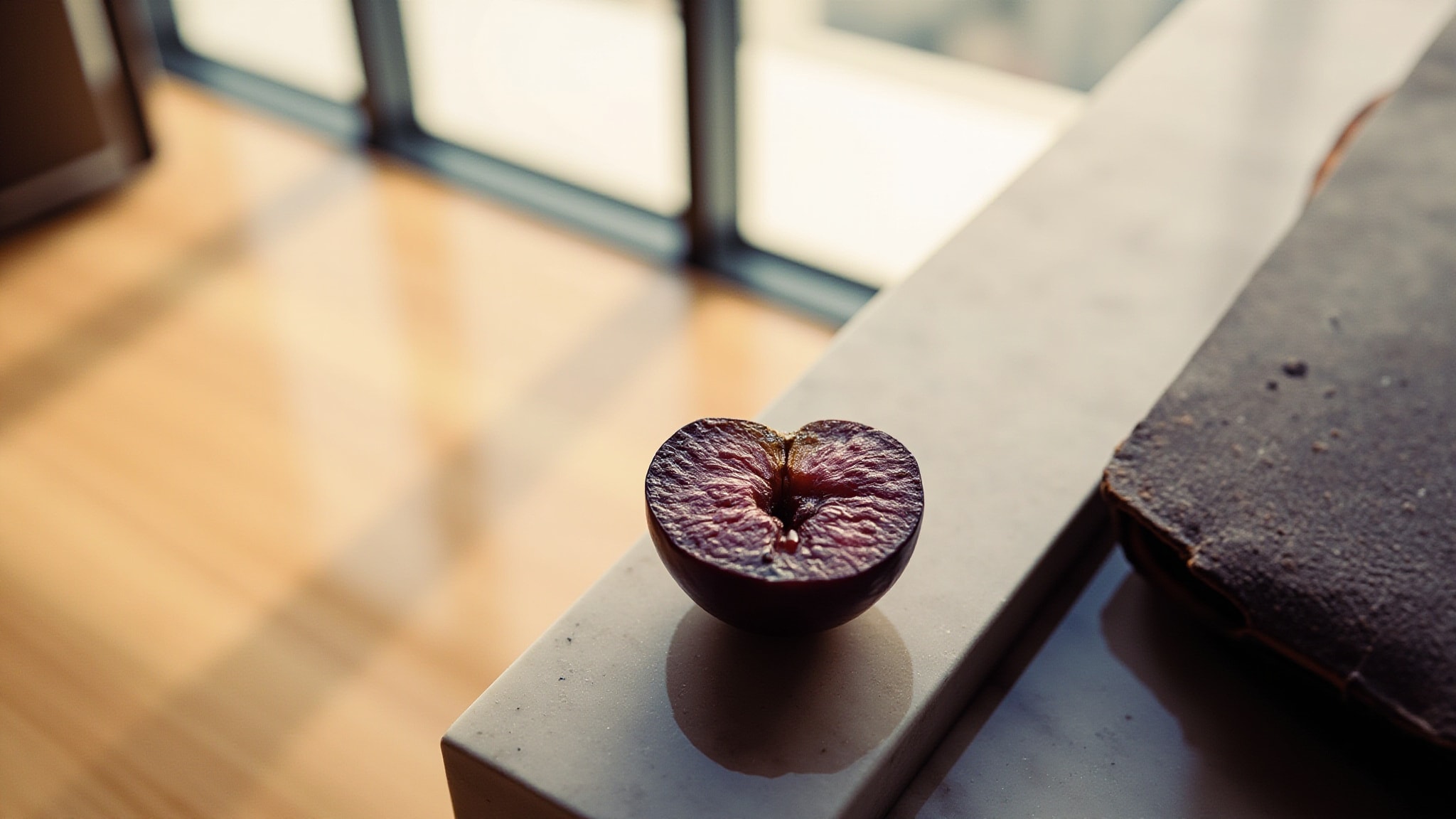
The opening hits plum first, dark, slightly syrupy, with a whisper of warm spice from the apricot. Within minutes, gardenia and tuberose arrive, not as a wall of florals but as a bloom that happens close to the skin. The patchouli appears as the top notes fade, keeping everything grounded, preventing the sweetness from floating away. The drydown is where Basic Instinct earns its reputation. The powder becomes the dominant character, softened by vanilla, with just enough animalic warmth to make skin smell like skin but better. On fabric, it lasts through multiple wears. On skin, expect 6-8 hours of that warm, powdery, slightly sweet finish, intimate sillage that doesn't announce itself but definitely gets noticed.
Cultural impact
Basic Instinct occupies an unusual position in the Victoria's Secret catalog, a fragrance that attracted wearers who typically avoided the brand. The powder-forward drydown and dark florals made it a favorite among those seeking something more sophisticated, and its discontinuation only deepened the cult following. It carved out a space between mass-market florals and niche complexity, proving that accessible didn't have to mean simple.