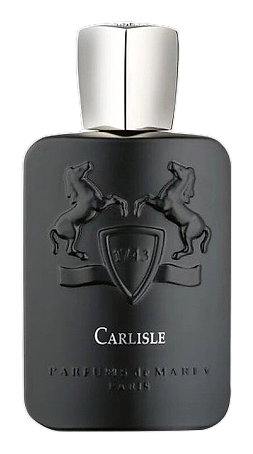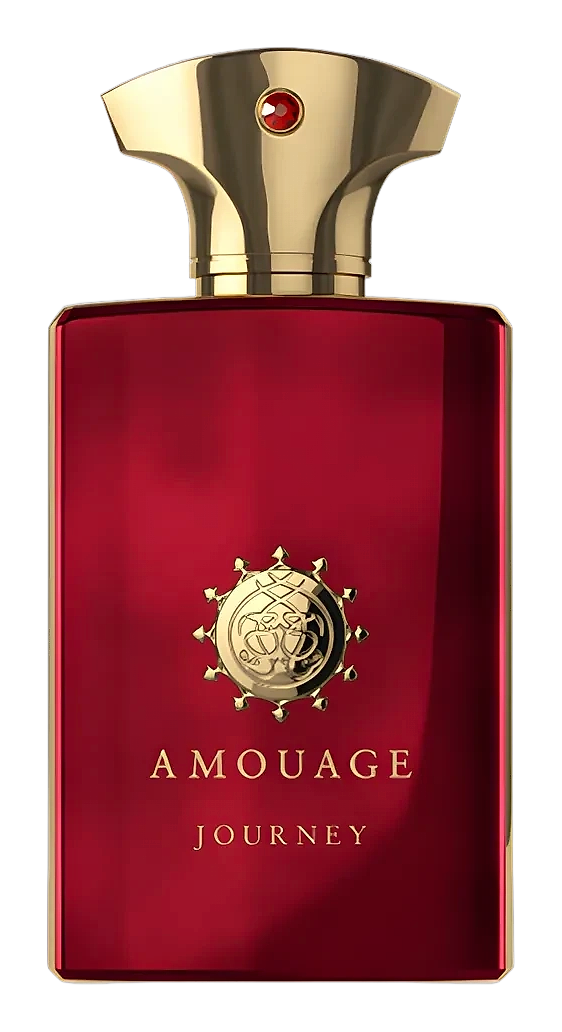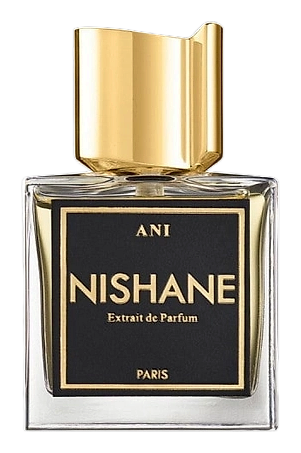
The Story
Why it exists.
The beginning
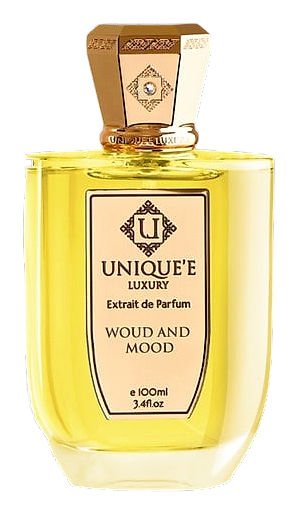
Woud and Mood arrived in 2018 from perfumers Jorge Lee and Sylvain Cara, a composition built around tension rather than harmony alone. Where many niche houses lead with oud as a statement, this one treats it as a structural element, threading it through florals and spices until the fragrance becomes something harder to pin down than its individual parts. The result is a fragrance that doesn't perform its complexity, it simply contains it. The name itself suggests duality. A woud, dense forest, meets the more personal register of mood. Not mood as in emotion, exactly. The interplay between these two registers creates a tension that rewards attention, with the oud serving not as a proclamation but as a subtle undercurrent that shifts and breathes as the other elements rise and fall.
What makes Woud and Mood distinctive is the oud treatment. In many Middle Eastern compositions, oud announces itself, resinous, animalic, commanding attention on entry. Here, the oud arrives mid-development and functions as a binder rather than a headline. It connects the florals to the woody base without demanding center stage. The tea note is the quiet anchor. Tea is uncommon as a top-note foundation, and it does something particular here: it keeps the citrus and saffron from floating upward and dissipating. Instead of a fragrance that opens bright and fades, the tea creates a platform from which everything else develops at a measured pace.
The evolution
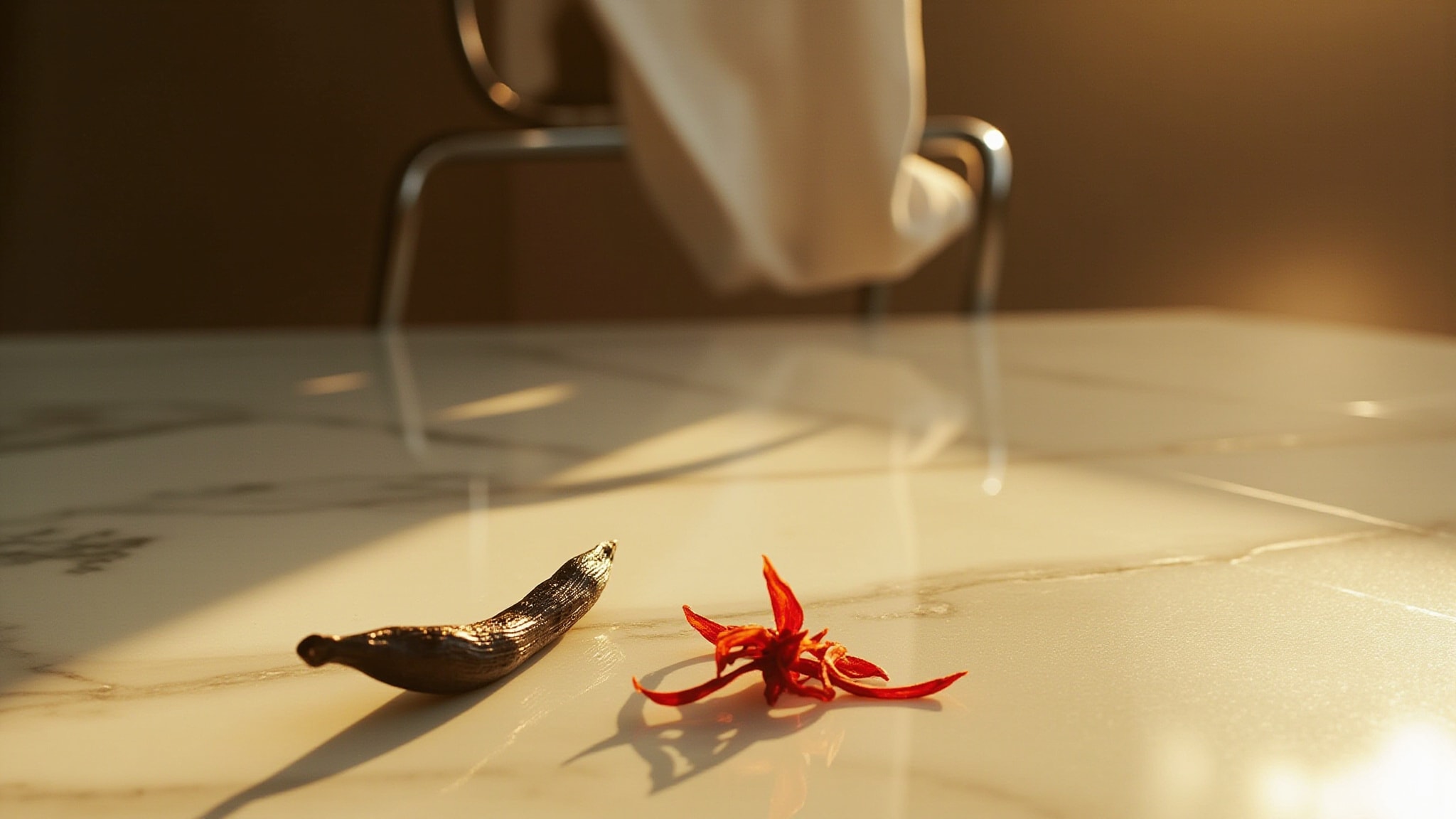
The opening is bright and clean. Lemon, orange, tea, a combination that reads almost as an edible sharpness before the clove and saffron arrive to deepen it. That first hour is the fragrance showing its architecture: the citrus opens flat, and the spices rise from underneath. Within ninety minutes, the oud surfaces in the base notes. Not the harsh, barnyard oud of more aggressive compositions, this one arrives warm and resinous, already domesticated by the florals still settling into the heart. The rose hasn't fully bloomed yet. The lilac and lily of the valley are mid-transition, creating a powdery, slightly green floral layer that keeps the composition from becoming heavy. The drydown is where this fragrance earns its reputation. Over ten hours on most skin, the oud doesn't disappear, it settles into the composition like something you carry rather than wear. Vanilla and amber take over the foreground, with sandalwood and ambergris doing quiet structural work underneath.
Cultural impact
Woud and Mood occupies a specific position in the niche landscape, a bridge between Eastern and Western fragrance sensibilities that appeals to collectors seeking something outside the typical luxury house canon. The 2018 launch found an audience for whom oud had become cliché and florals felt too soft. It became a quiet reference point within the brand's collection, the kind of fragrance people seek out once they hear about it.