The Story
Why it exists.
The beginning
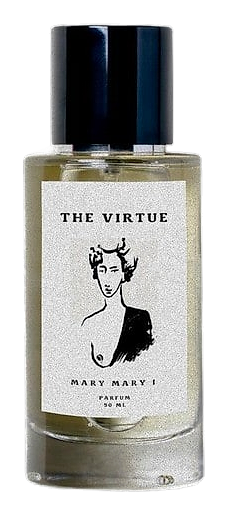
Mary Mary arrived in 2025, carrying a name that feels less like branding and more like something overheard in a half-remembered conversation. A prayer, a nickname, the kind of thing someone might whisper to another person across a quiet room. The title itself does no work to introduce itself, no translation, no context, no clue. You encounter it and it simply sits there, waiting to mean whatever you bring to it. That restraint is part of the appeal. The fragrance opens with a soft, soapy brightness, ylang-ylang and lily of the valley in clean agreement, before tipping downward into smoke and soil. It moves from altar to earth without announcing the transition. The whole composition reads as an invitation rather than an explanation, a small, private object that rewards close attention.
What makes this composition worth attention is the collision between its halves. The top notes, ylang-ylang and lily of the valley, belong to the world of white florals and clean soap. Then the base pulls hard in the other direction: frankincense smoke, damp vetiver, and a patchouli that reads more like forest floor than 1970s after-shave. That tension between altar and earth, between something pure and something scorched, is where Mary Mary earns its keep.
The evolution
The opening is a polite handshake. Ylang-ylang brings a waxy, almost tropical sweetness, and lily of the valley adds its cool, green-soap sheen, the kind of start that could belong to a dozen clean florals. Then the white sandalwood arrives, and everything shifts. The heart is creamy and warm but slightly off, a powderiness that reads more like skin than like wood. Heliotrope does something almond-like underneath, a marzipan ghost that keeps the florals from feeling too virginal. Over the next stretch, the florals recede and the warmer materials take their place, the sandalwood thickening into something almost lactonic, the heliotrope softening into a skin-like warmth. The incense emerges gradually, resinous and slightly sweet, settling on top of vetiver that smells like wet grass after rain.
Cultural impact
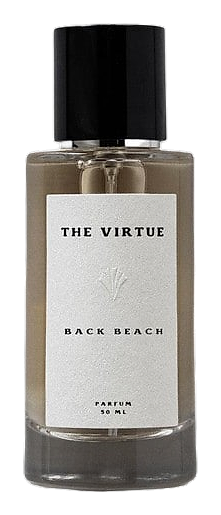
Mary Mary arrived in 2025 at a moment when independent fragrance houses have carved meaningful territory alongside the larger commercial players. Its launch placed it within a growing ecosystem of small-batch perfumery, where buyers increasingly seek out work that resists the logic of department-store flankers and blockbuster ad campaigns. The naming convention (Mary Mary, Back Beach, Seakeeper, Zambesi 1979) suggests a project more interested in personal reference points than in market positioning. These titles don't translate themselves.