




Heritage
A house, in its own words
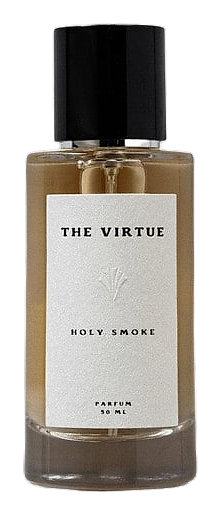
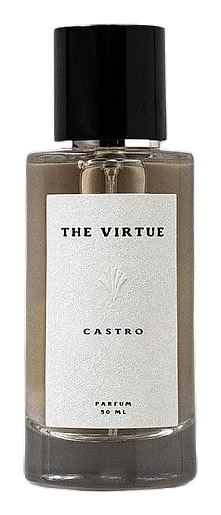
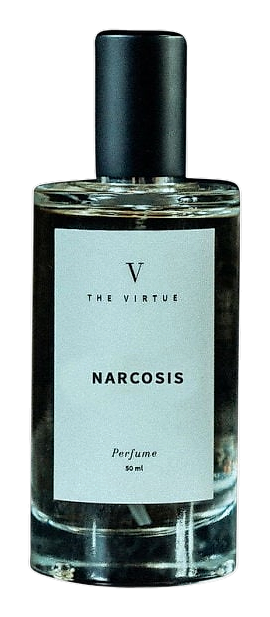
The Virtue emerged from Lean photography work that eventually intersected with fragrance creation. Rather than emerging from the perfume industry, Lean brought an outsider's eye to scent, treating fragrance as a medium for storytelling about New Zealand's landscapes and local culture. The house launched with a deliberately intimate scale, releasing fragrances that reference specific locations and moments: Castro (2025), Holy Smoke (2025), Mary Mary (2025), Zambesi 1979 (2025), Iris (2025), Back Beach (2025), 1987 (2025), and Seakeeper (2025). The naming convention suggests an ongoing project of cataloguing personal and geographic memory through olfactory form. New Plymouth itself has become central to the brand's identity, a small coastal city that shapes the house's aesthetic sensibility. The house operates as a small independent rather than within a larger fragrance group, allowing Lean to maintain complete creative control over formulation and direction. While the brand does not appear to have disclosed formal year of establishment in accessible sources, fragrance releases date from 2025, indicating recent emergence in the niche fragrance landscape. The Virtue operates from the premise that fragrance should connect wearers to place and identity. Lean describes the brand ethos simply: be human, smell divine. This phrasing suggests an intentional rejection of perfumery pretension in favor of accessibility and emotional resonance. The house treats its fragrance titles as memory markers rather than marketing copy, drawing from specific locations (Back Beach, Seakeeper), years (1987, Zambesi 1979), and personal references (Mary Mary, Castro). The gender-neutral positioning reflects a broader philosophy that scent operates independent of demographic categories. Rather than positioning fragrance as luxury object, The Virtue frames scent as a medium for human connection to geography and personal history. The New Zealand base informs this approach, with coastal environments and local cultural references appearing as recurring material. The house appears to resist the traditional fragrance industry structure of seasonal collections or trend-driven releases, instead releasing individual fragrances as discrete artistic statements.