
The Story
Why it exists.
The beginning
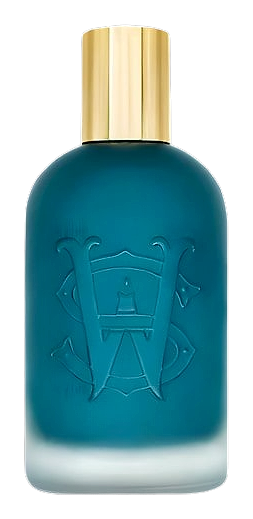
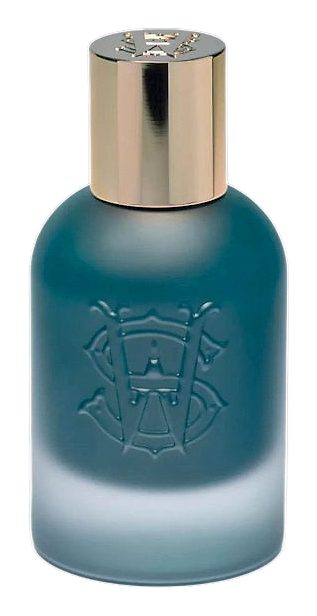
Rose Boheme landed in 2013, the same year The Saltworks Company opened its doors in the United Kingdom. Kenneth Orbeck composed Rose Boheme as one of the house's earliest compositions, and the fragrance signals his interest in treating rose as a structural element rather than a decorative one. The opening is sharp and almost green, bergamot lifting the top with a clean citrus brightness that reads more like the peel of a freshly cut fruit than anything candied or syrupy. As the first minutes pass, ginger warms the accord from beneath, adding a heat that you feel before you fully smell it, a kind of radiant spice that seems to glow against the cool citrus. The rose arrives at the centre and stays there, dewy rather than jammy, and it's never wrapped in the usual gourmand cushioning.
What's interesting here is the structural gamble. The rose isn't cushioned in vanilla or wrapped in powder. It sits between bergamot above and oud below, with patchouli adding an earthy density in the middle and ginger pushing warmth into the base. Each layer does real work. The bergamot does more than decorate the opening; it provides a crisp, almost bracing brightness that keeps the rose from ever feeling syrupy or old-fashioned. Ginger operates as a kind of thermal bridge between the fresh top and the heavy base, radiating a dry warmth that you sense on the skin as much as through the nose.
The evolution
The first thirty minutes are almost deceptive, a clean burst of bergamot and lemon that suggests something light, almost summery. Then the rose arrives, but it doesn't float. It drags the patchouli up with it, and the whole composition darkens and tightens. By hour two, the ginger starts radiating from beneath, warm and slightly sharp, and the oud settles into something close and persistent. What's left at hour five isn't the rose anymore, it's a dry, woody warmth with a ghost of spice that clings to skin and scarves the next morning.
Cultural impact
Rose Boheme has earned a quiet following among wearers who want a rose that doesn't behave like the powdery, vanillic versions that dominate much of the broader market. Within The Saltworks Company's own catalogue, the fragrance marks an early statement of how the house approaches the single-floral format: not by sweetening or cushioning the rose, but by placing it against materials that change how it's perceived. The bergamot keeps things lifted and modern at the top, the ginger brings a warm heat through the middle, and the oud and patchouli together give the base a smoky, resinous gravity that makes the rose feel weighted and serious.