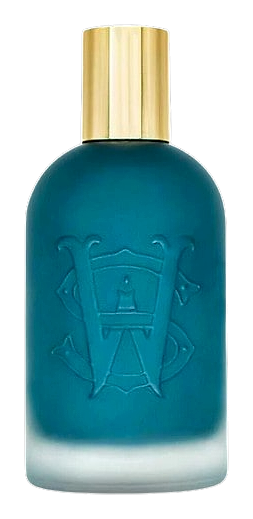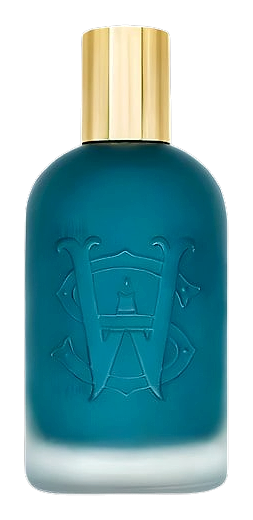
The Story
Why it exists.
The beginning
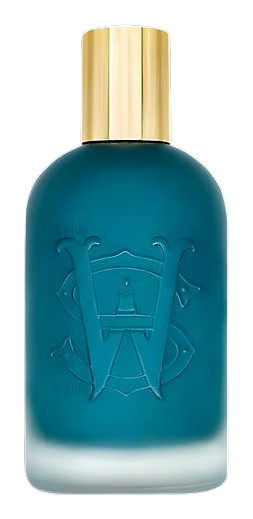
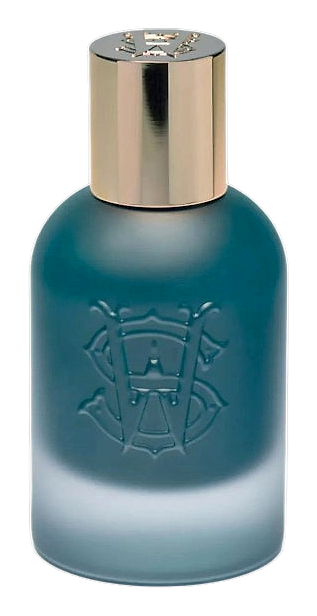
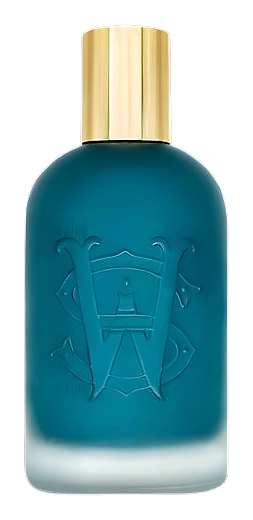
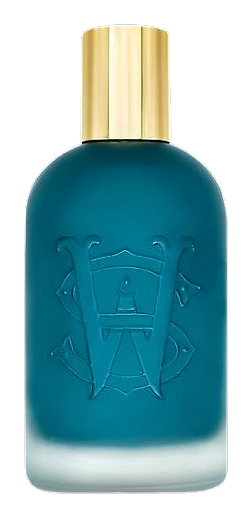
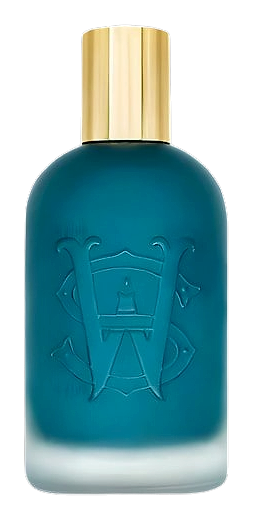
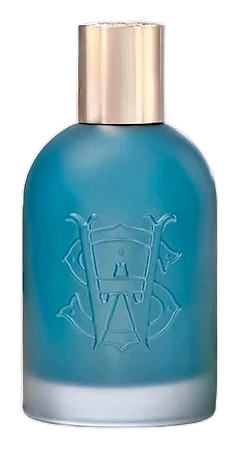
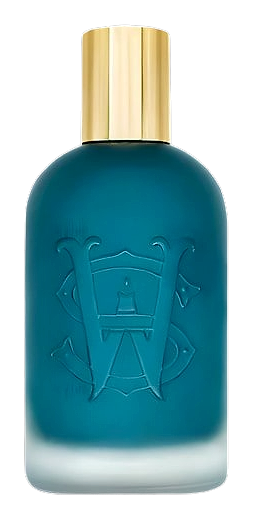
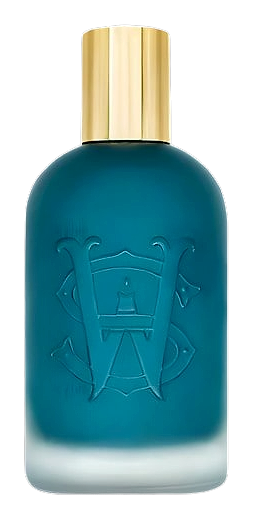
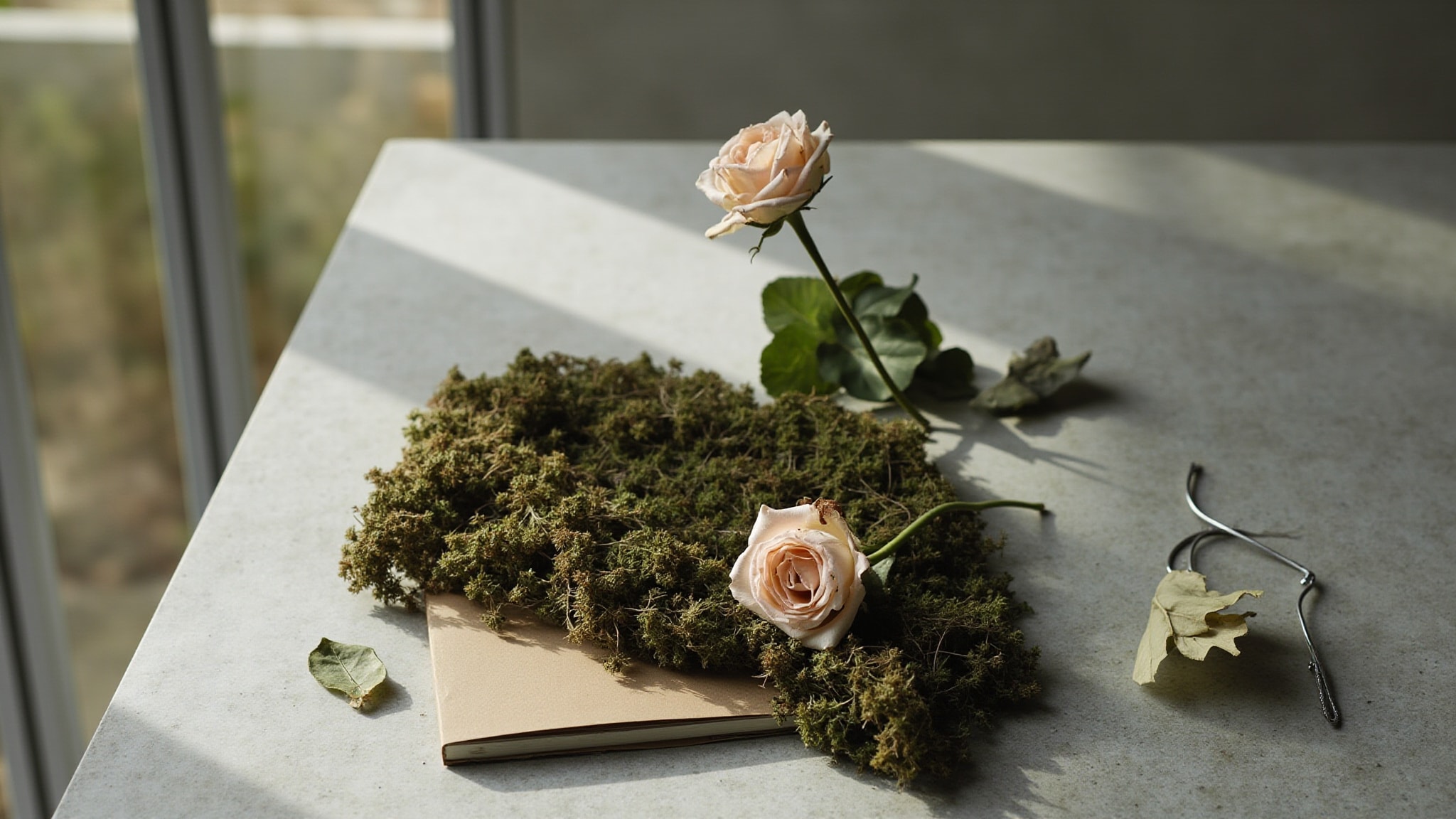
Gypsy Rose is built around three materials that do real work. Bay leaf, oakmoss, tea rose. No filler, no decorative top accord meant to evaporate and impress. The whole composition is a conversation between the green, the earthy, and the floral, and it never really leaves that triangle. The name reads like it might belong to something heavier, smokier, more dramatic. The fragrance itself is the opposite. A quiet, mossy rose that smells less like a flower arranged in a vase and more like one growing in a hedgerow after rain. Orbeck's choice to build the structure around oakmoss rather than patchouli or vetiver is the move that defines it. There's a discipline in the way the three notes share space, each one allowed to register fully without stepping on the others.
Bay leaf as a top note carries a camphoraceous, slightly herbal snap that primes the nose for something grounded rather than sweet. Bay leads with a green clarity that announces the whole philosophy before the rose arrives: this is a rose with structure, not a rose with sugar. Oakmoss enters the composition and sits where a floral usually lives, which means the moss and the rose grow together from the start, not as separate acts.
The evolution
The opening registers as a clean, herbal snap, like cracking a dried leaf between your fingers, with a faint camphor coolness that makes the first impression feel almost medicinal. There's nothing sweet here, and nothing floral yet. Just the leaf, doing its work, and doing it with an authority that sets the terms for everything that follows. The oakmoss begins to rise from underneath, and it doesn't arrive as a separate event. It seeps up through the bay leaf like groundwater through soil, damp and earthy, carrying weight that makes you think of forest floor rather than perfume counter. The camphor quality of the bay and the dampness of the oakmoss together create something that smells less like a fragrance and more like a place, a specific location with weather and shade and a particular kind of quiet.
Cultural impact
Gypsy Rose sits in an unusual corner of the rose category, and that corner is one that doesn't get a lot of new construction. Most rose fragrances lean on sweetness or jammy fruit or powdery sophistication, and the ones that don't tend to be either very old or very niche. This one arrives with a green, earthy perspective that treats the rose as a plant first and a perfumery ingredient second, and that framing gives it a place to stand that isn't crowded.
The House
The Saltworks CompanyThe Saltworks Company is an independent fragrance house based in the United Kingdom. Since its launch in 2013 the brand has built a catalogue of more than fifty scents, each created from original formulas developed in‑house. The line includes stand‑alone releases such as Calypso, Pomegranate Amber and Sun Garden, as well as seasonal offerings like Rainstorm and Cherry Oakee. Saltworks emphasizes long‑lasting wear and offers a Discovery Set that lets collectors sample a curated selection before committing to a full bottle. The brand’s approach blends a laboratory‑like focus on composition with a boutique‑scale production model, positioning it as a quiet alternative to mass‑market perfume houses.
The Creator
Kenneth OrbeckOrbeck favors ingredients that echo the body’s chemistry. He reaches for soft woods such as sandalwood and cedar, grounding herbs like sage, and light florals that mirror estrogenic cues, including neroli and clary sage.