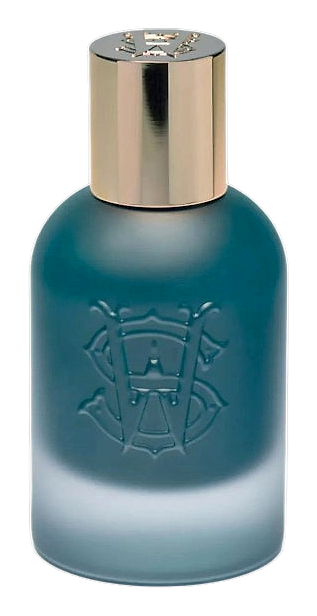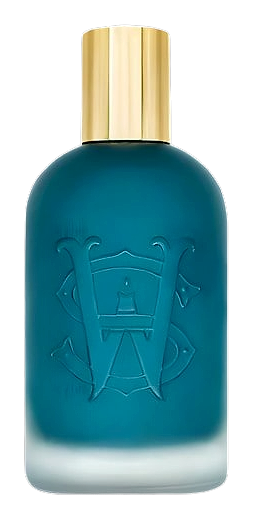
The Story
Why it exists.
The beginning
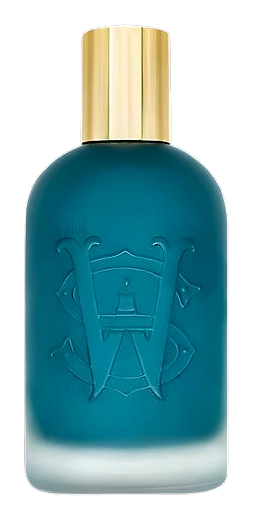
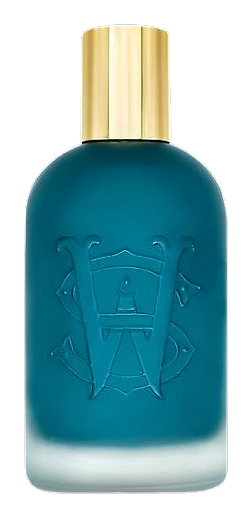
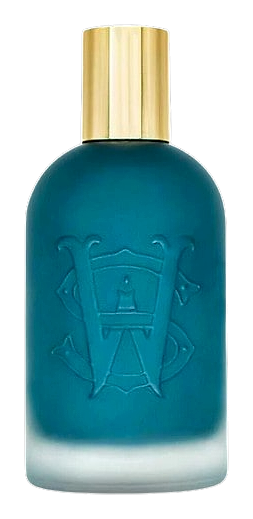
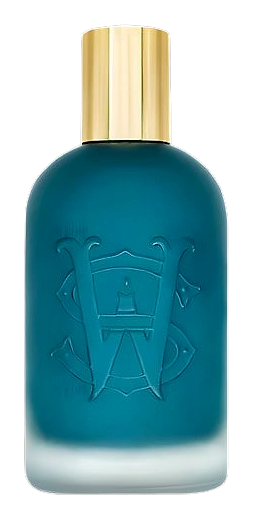
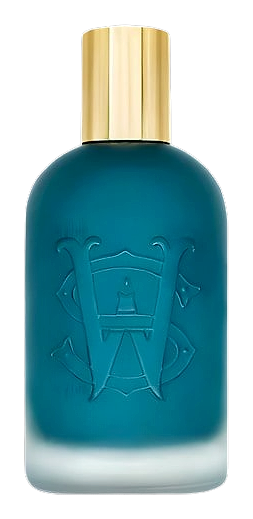
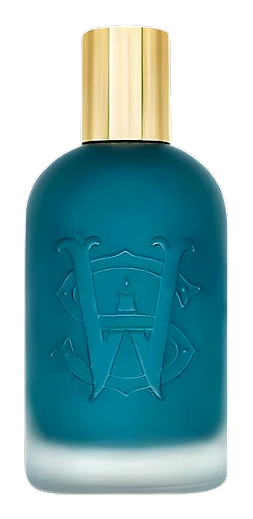
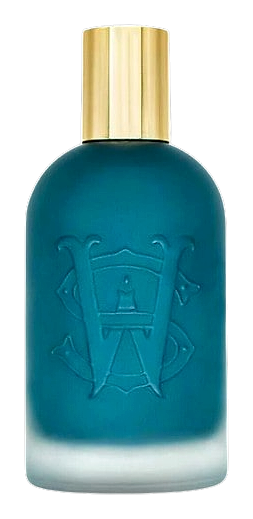
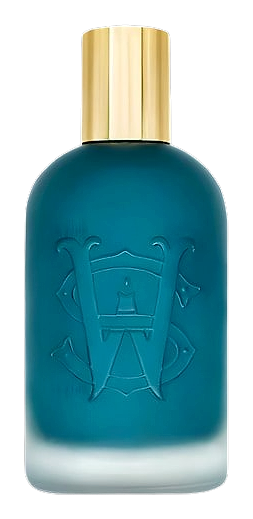
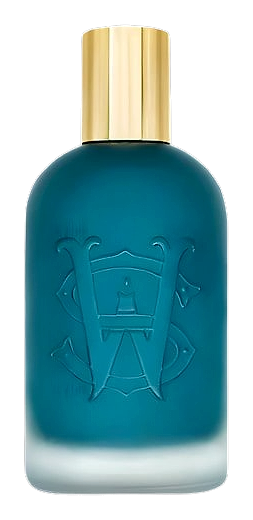
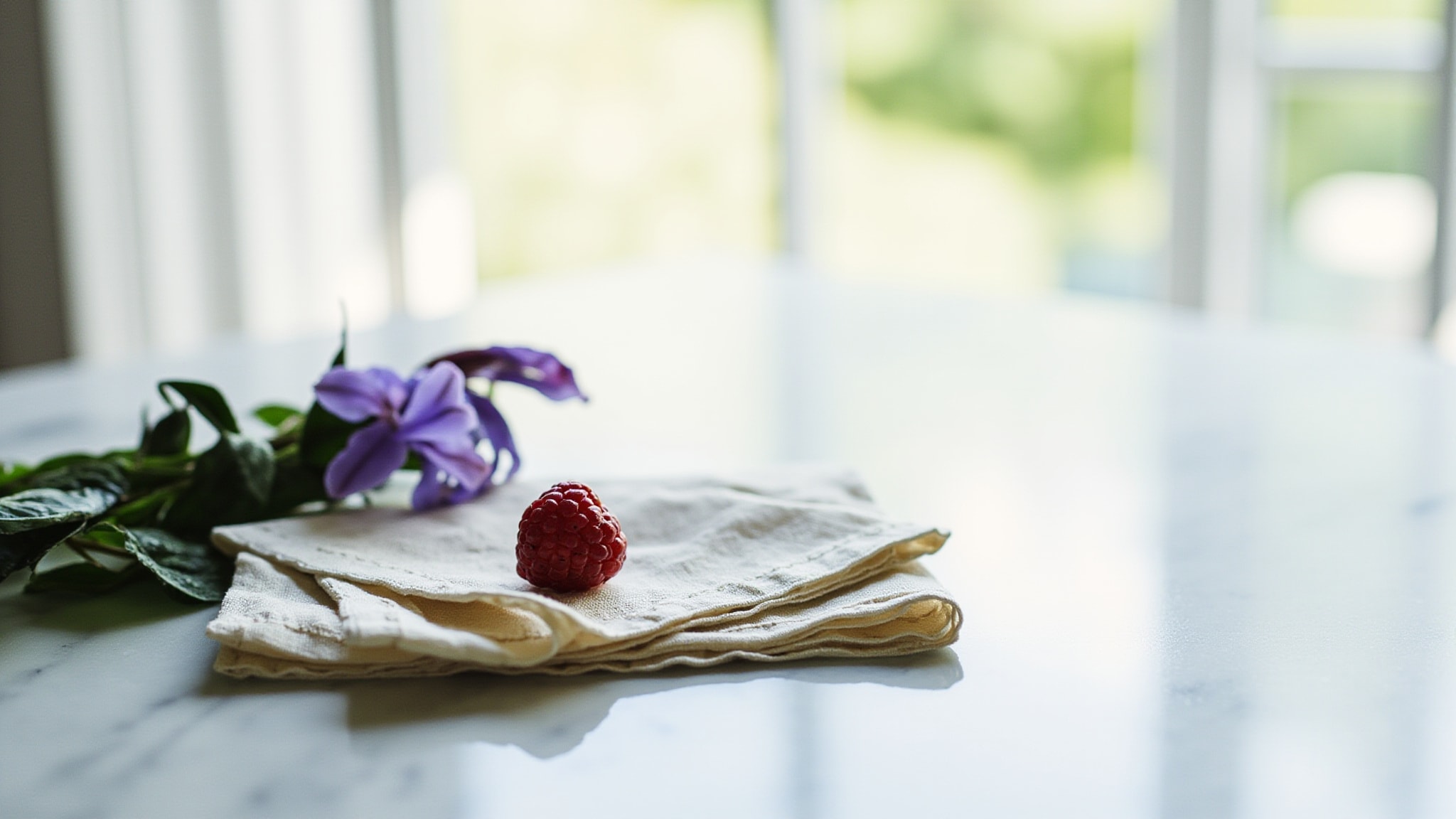
Violet Dew arrived in 2024 from Kenneth Orbeck, pairing the lively fruit of raspberry and grapefruit with a green floral center of violet leaf, grass and hyacinth. Its title points plainly to the atmosphere the composition creates: violet softened by moisture, surrounded by the vividness of fruit and the clean snap of greenery. No grand story sits behind it, and that’s the point. The scent relies on contrast, placing vivid fruit beside damp-looking leaves and a pale floral hush, then grounding both in vanilla, musk and iris for a finish that feels clean without becoming bare.
The unusual part is the balance between brightness and restraint. Raspberry could easily pull this composition toward syrup, while violet leaf, grass and hyacinth keep it green and almost wet. Grapefruit adds a bitter edge at the front. Iris then changes the texture, bringing a cool, powdery quality that makes the fruit feel less edible and more polished. Vanilla and musk stop the composition from staying purely crisp. Together, they make Violet Dew feel less like a pretty floral and more like fruit caught in morning light.
The evolution
It begins with a quick lift: raspberry gives the first impression sweetness, grapefruit flashes citrus over it, and the green materials keep the opening from becoming too sugary. As those notes recede, violet leaf, grass and hyacinth take over. This is the phase that gives the fragrance its dew-like character, though the fruit still lingers as a bright stain rather than vanishing cleanly. Later, iris introduces a soft powdery texture while vanilla and musk round the edges. The composition gradually settles into a floral and musky impression, less citrusy than the opening, with raspberry still providing a quiet, tart edge underneath. Violet leaf adds a green, mineral freshness, while grass keeps the floral notes clear and herbaceous. Hyacinth brings a lightly floral, airy quality, and iris gives the center a smooth, suede-like softness.
Cultural impact
Violet Dew sits within The Saltworks Company’s broader catalogue of original, nature-inspired compositions. Its character comes from the contrast between bright raspberry and grapefruit, the green impression of violet leaf and grass, and the softer floral texture of hyacinth and iris. As the composition develops, vanilla and musk settle around the edges, leaving a floral, musky impression with a quiet tart accent. The fragrance offers a clear point of view for exploration, balancing fresh fruit, greenery, soft florals and a gentle musky finish.
The House
The Saltworks CompanyThe Saltworks Company is an independent fragrance house based in the United Kingdom. Since its launch in 2013 the brand has built a catalogue of more than fifty scents, each created from original formulas developed in‑house. The line includes stand‑alone releases such as Calypso, Pomegranate Amber and Sun Garden, as well as seasonal offerings like Rainstorm and Cherry Oakee. Saltworks emphasizes long‑lasting wear and offers a Discovery Set that lets collectors sample a curated selection before committing to a full bottle. The brand’s approach blends a laboratory‑like focus on composition with a boutique‑scale production model, positioning it as a quiet alternative to mass‑market perfume houses.
The Creator
Kenneth OrbeckOrbeck favors ingredients that echo the body’s chemistry. He reaches for soft woods such as sandalwood and cedar, grounding herbs like sage, and light florals that mirror estrogenic cues, including neroli and clary sage.