The Story
Why it exists.
The beginning
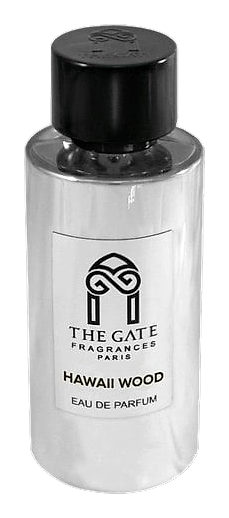
Hawaii Wood reads as an unlikely composition beneath its name: a tropical handle carrying a deeply resinous, almost incense-soaked wood accord that suggests sunlit heat filtered through temple smoke rather than beach umbrella sweetness. The name lands somewhere between geography and longing, a place held in memory rather than visited, and the juice inside leans hard into that tension. Open it expecting coconut and pineapple and you'll be redirected almost immediately, because what comes out of the bottle is closer to a chapel than a coastline. The woods arrive stacked and resinous, with labdanum and frankincense providing the scaffolding while something darker, almost leather-like, curls around the edges.
What makes Hawaii Wood unusual is the tension between its name and its actual architecture. The top notes lead with bergamot, orange, and black pepper, bright and citric, before the heart introduces sugar alongside labdanum, opoponax, and frankincense, an almost ecclesiastical resin triad sweetened just enough to feel edible. The base grounds everything in patchouli, vanilla, leather, and sandalwood, so the sweetness never floats away. Sugar in a resinous context is a deliberate choice. It tempers the smokiness of frankincense and opoponax, pulls labdanum toward amber rather than ash, and gives the leather in the base a candied edge.
The evolution
The first thirty minutes belong to citrus. Bergamot and orange arrive sharp and almost juicy, cut by black pepper's dry heat, and for a brief window the fragrance feels like a brighter, spikier composition than it actually is. Then the resins take over. Labdanum, opoponax, and frankincense rise together, and the sugar weaves through them, not candied but smoky-sweet, like the smell of caramel catching at the edge of a flame. Around the two-hour mark, the leather and sandalwood settle into the base, and the patchouli anchors everything with a damp, earthy density. The vanilla doesn't shout. It sweetens the leather from underneath, keeping the drydown warm rather than sharp. As the hours pass, the brighter citrus top notes fade into memory, and what's left is a slow, meditative wood with the resins still humming faintly beneath the surface.
Cultural impact
Hawaii Wood draws the kind of wearer who finds comfort in incense and resin rather than in something overtly sweet or aquatic. It reads as a contemplative scent, the sort of composition that settles into the skin and stays close, projecting intimacy rather than spectacle. The fragrance suits someone who treats scent as a private ritual, something worn for the mood it creates rather than the compliments it might pull.