
The Story
Why it exists.
The beginning
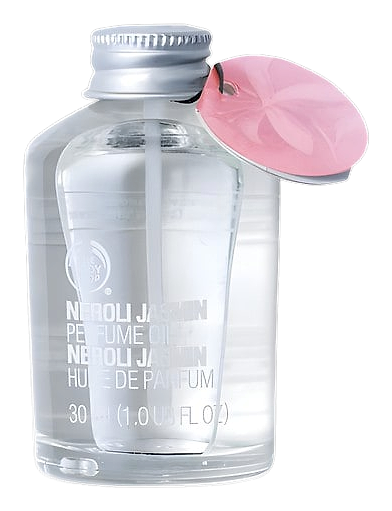
The Body Shop introduced Neroli Jasmin in 2007 as part of its perfume oil line, a format that lets the scent sit close to the skin, blooming in warmth rather than projecting outward. The pairing of neroli and jasmine isn't accidental: it's the brand's way of speaking to two ingredients with deep ethical sourcing roots, both commonly sourced through community trade programmes. The fragrance arrived at a moment when conscious consumption was shifting from niche activism to mainstream expectation.
What makes this composition interesting is its structure, a fresh, almost ozonic opening that doesn't prepare you for the richness waiting beneath. Neroli brings the brightness, but jasmine and orange blossom carry the weight. The vanilla-sandalwood base isn't an afterthought; it's the reason the fragrance stays. The Body Shop has always been transparent about where its ingredients come from, and that traceability becomes part of the story when you realise jasmine from India and vanilla from Madagascar sit alongside neroli from more standard sources. It's an ethical composition disguised as a simple floral.
The evolution
The opening hits clean and citrus-bright, neroli and violet leaf doing the work of a first impression without trying too hard. Freesia adds a translucent sweetness, like the smell of air near a flower stall in early morning. Within twenty minutes, the top notes soften and the heart takes over: jasmine and orange blossom bloom fully, richer than the opening suggested. Peony adds a quiet powderiness that keeps it from becoming heavy. By the second hour, vanilla and sandalwood have settled into the base, creating a warmth that stays close to the skin. The drydown is intimate, not skin scent exactly, but the kind of presence that someone standing next to you would notice. Four to six hours on most skin types, slightly less on dry skin. The next morning, a faint trace of vanilla and musk on fabric.
Cultural impact
Neroli Jasmin occupies a particular corner of the fragrance world: accessible, ethical, and unapologetically soft. In 2007, the market for conscious luxury was smaller but growing. The Body Shop's perfume oils offered an entry point, both in price and in sillage, for buyers who wanted quality without intensity. The fragrance still resonates with wearers who prefer presence over performance, and who appreciate knowing their vanilla and sandalwood came through traceable supply chains.