The Story
Why it exists.
The beginning
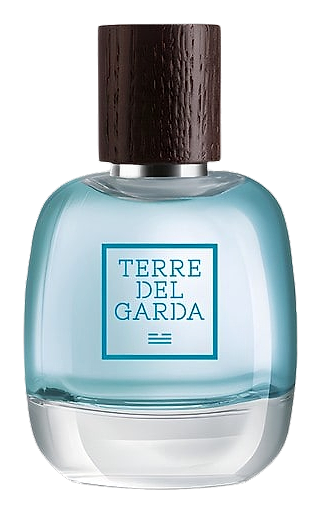
Ora takes its name from a southerly wind that sweeps across Lake Garda, the kind that arrives in late afternoon and turns the lake's surface into something you can almost taste. Released in 2015, the fragrance translates that specific wind into olfactory form. There's a particular logic to the naming: a wind is already a sensory event, a shift in temperature and pressure and scent, and naming a composition for that moment suggests the bottle is meant to evoke a condition rather than a place. Ora reads as atmosphere first, ornament second, with green citrus and herbal top notes giving way to a dry, resinous base of cedar, olive wood, and mastic.
What makes Ora structurally interesting is how few categories it tries to please. Citrus up top, yes, but green rather than juicy. Salt in the heart, which is unusual in a composition this fresh, and it does real work pulling the citrus toward something mineral rather than fruity. Fig leaf does what fig leaf does best: a green coconut sweetness that softens the salt without drowning it. The base doubles down on wood, with olive wood and cedar doing the bulk of the carrying, mastic adding a resinous warmth that keeps the whole thing from feeling like just a cologne. It's a water-meets-garden composition, not a beach scent and not a floral. That specific location is the point.
The evolution
Ora opens with a sharp green-citrus breeze, then the salt-and-fig heart rises as if wind has carried lake spray inland, before settling into a quiet cedarwood and olive-wood base that lingers like warm stone after sundown. The composition holds the brightness of lemon leaf and mandarin at the top long enough to keep the wearer alert, then steers the green notes into something softer and brine-touched at the mid stage. By the time the cedarwood and olive wood settle in, the scent reads as the kind of quiet that arrives only after a long day by the lake, with sun-warmed stones and a fading citrus memory still hanging in the air.
Cultural impact
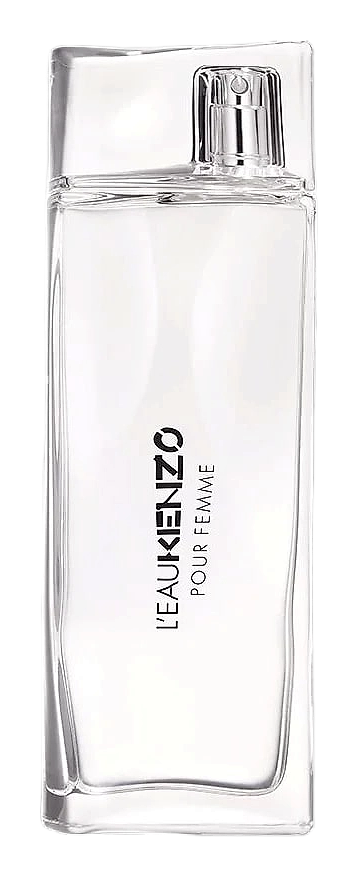
Ora sits comfortably alongside fragrances like Jo Malone Wood Sage & Sea Salt and Kenzo L'Eau par Kenzo in the salt-and-green category, but it leans distinctly toward an herbal, woody register. The composition carries the quiet confidence of a scent built around a specific natural phenomenon, and it shares shelf space with other regional Italian perfumeries that approach place-making through atmosphere rather than narrative. Within the broader landscape of Italian artisanal perfumery, Ora reads as a study in restraint, closer to a field recording than a constructed accord.