The Story
Why it exists.
The beginning
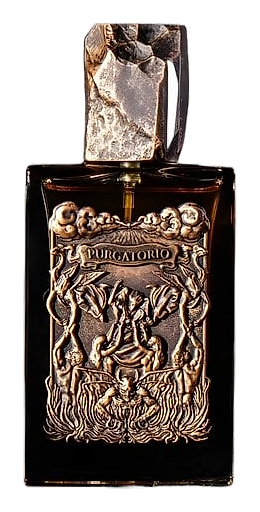
Purgatorio takes its name from Dante's Purgatorio, the second canticle of the Divine Comedy, where souls climb toward paradise through seven terraces of purification. Tada Archawong translated that structure into scent: ascending rather than descending, searching rather than settled. The incense doesn't evoke church or temple. It performs the same function as prayer itself, smoke that rises toward something not yet reached.
The aldehydes distinguish Purgatorio from conventional incense work. They provide a crystalline brightness, a cold shimmer that lifts the smoke rather than grounds it. That tension, heat rising through cold air, mirrors the fragrance's central paradox. The drydown doesn't settle into warmth. It radiates warmth. The spiritual made tangible. The soul warmed by the body.
The evolution
The opening doesn't ease in. Frankincense floods, aldehydes lifting the smoke like cold air catches incense smoke, an announcement that doesn't ask permission. The heart deepens. Thailand oud surprises with its wildness; leather carries an animalic edge; cedar and guaiac pull everything darker. This isn't the sweet oud of Arabian Nights. This is feral territory. The drydown transforms. Smoke becomes proximity. Sandalwood, labdanum, amber, myrrh, warm close-skin presence that projects only in the final hours. Cade oil adds smoky dryness, keeping the amber from going sweet. Hours later, traces on fabric and skin. No longer a statement. A memory of one.
Cultural impact
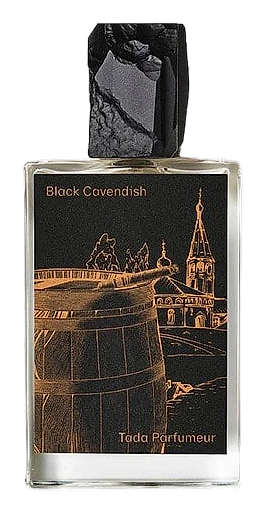
Part of the Divine Comedy collection, Purgatorio joins Black Cavendish and Timber Suit as one of Tada Parfumeur's early releases. The incense-and-oud pairing places it within a niche tradition, but the aldehydic lift and Thai oud character distinguish it from comparable Middle Eastern releases. Wearers describe it as a fragrance for someone who walks in without announcing themselves, quiet conviction rather than loud presence.